



PhysioFunction
 Neurophysiotherapy8 Nov
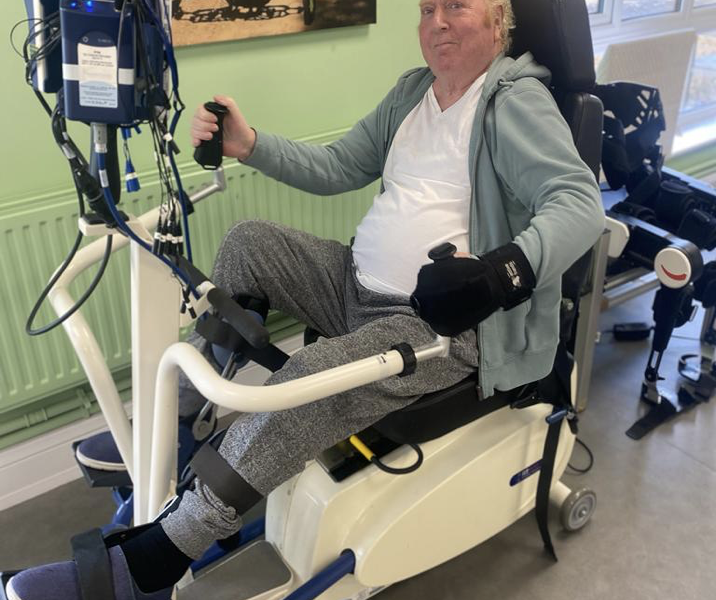
Here, we find out more about the role and benefits of the dermoskeleton in neuro-rehab
 Neurophysiotherapy28 Oct
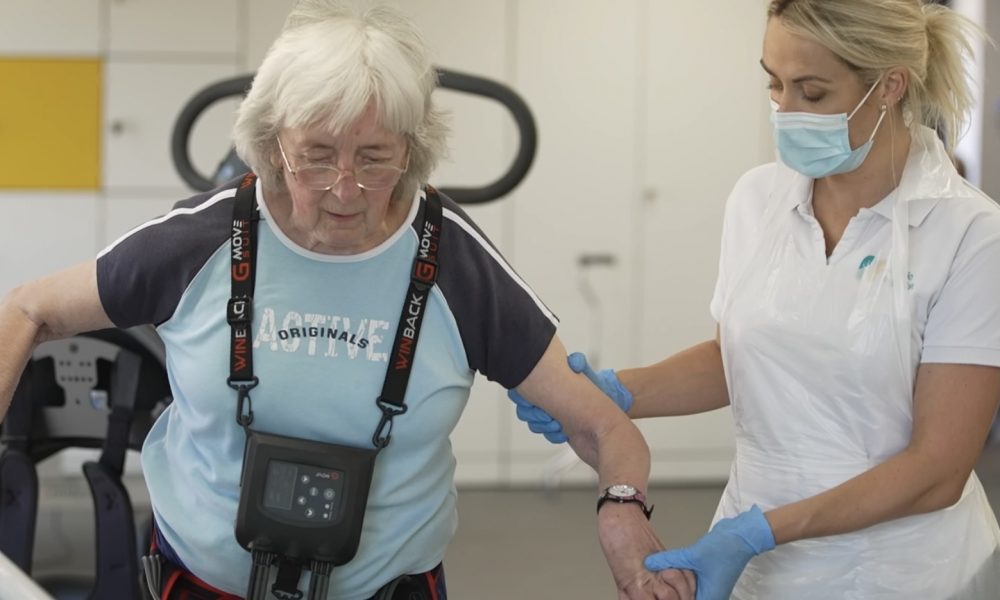
To mark World Stroke Day, we look at the progress of one survivor through specialist neurophysio
 Stroke7 Oct
The team discuss its stroke service and the rehab and therapy options for patients
 Therapy14 Jul
What impact can the NeuroBall™ have on rehabilitation? Claire Everett, neurophysiotherapist at PhysioFunction, shares her insights into its benefits
What are the main benefits of NeuroBall™:- For your clients/patients?
- For your clinic?
 Smarter rehab19 Feb
“Being able to stand, take steps and be at eye level with people was amazing. It was exciting and emotional.”
For patients who have lived with the effects of immobility for years - such as this patient, who has been a paraplegic for 18 years - the introduction of an exoskeleton to their lives can have truly life-changing consequences. “We’ve had clients who, through using the exoskeleton, can walk their children to school for the first time,” says Matt White, a specialist in neurorehabilitation and technology, and exoskeleton lead at PhysioFunction. “It’s a special moment, and psychologically it can be huge. News22 Jan
A specialist neurophysio service to support people with Post Polio Syndrome (PPS), believed to be the only programme of its kind in the country, has been created.
PhysioFunction has established a dedicated offering for people who have had polio earlier in life, but for whom some effects have returned years later with the onset of PPS. The programme, which incorporates aquatic and land-based physiotherapy, has attracted a number of people from around PhysioFunction’s base in Northampton, but through the addition of telerehab during lockdown, has involved participants from a much wider area. PhysioFunction engages members of the British Polio Fellowship in its programme and has also secured funding from Rotary International in recognition of its innovation. Therapy1 Dec
Neurophysiotherapists are adopting a ‘blended approach’ in delivering rehab to their patients, incorporating both in-person therapy and telerehab, as they plan for the future of the profession post-pandemic.
Telerehab has grown hugely in its use since March, with therapy and consultations being delivered remotely due to the restrictions around social distancing and the shielding of many vulnerable people.
However, while physio practices and clinics have now re-opened and have resumed seeing patients in-person, many have realised the benefits of combining face-to-face contact with telerehab and plan to continue to use both into the future.
Having been an early adopter of telerehab, with its introduction being made years before the pandemic hit, PhysioFunction plans to continue its use alongside clinic-based appointments.
The business has built on its existing telerehab provision to add online therapy groups and classes to its offering, as well as expanding the remote technology service, all of which can be combined with in-person therapy to increase a patient’s rehabilitation opportunities.
“The blended approach works really well for many clients, but particularly those who are more vulnerable,” says Claire Everett, clinical operations manager at PhysioFunction and a senior neurological physiotherapist.
 Tech & industry27 Oct
Having been an early adopter of telerehab, PhysioFunction was perhaps less daunted than most at the prospect of responding to the COVID-19 lockdown and ensuring their clients’ needs were met.
The specialist neuro physiotherapy practice has, for the past year, used video calls to enable its clients to receive one-to-one sessions in addition to those provided in person, with its staff supporting them to install and use the technology remotely.
It is also an early adopter of the MindMotion GO, a first-of-its-kind mobile neurorehabilitation therapy system which uses gaming to support the recovery of brain injury and neuro patients.


