



Neuropsychology
Cognitive, emotional and behavioural assessment and therapy.
 Parkinson's28 Jan
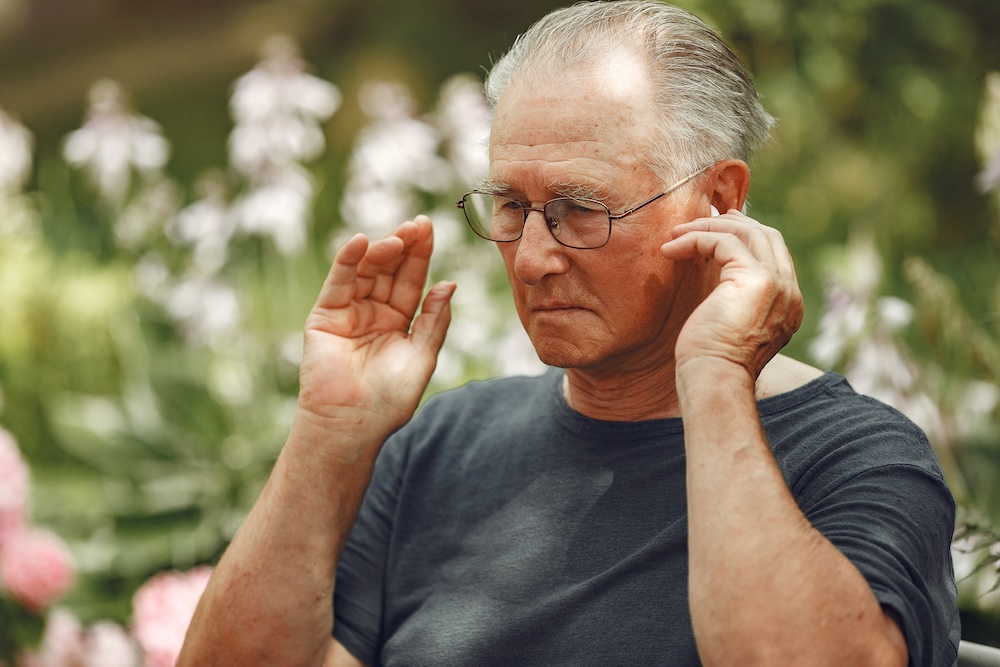
Hearing loss is linked to a higher risk of Parkinson's disease (PD), a new study of US veterans suggests. The research examined 7,296,051 US veterans who had an audiogram, a hearing test that measures hearing thresholds, between 1 January 1999 and 30 December 2022. People with hearing loss had a higher risk of later developing [...]
 Neuropsychology28 Jan
A major new study has found that transcranial magnetic stimulation (TMS), which applies magnetic energy to the brain, can be a cost-effective treatment option for the NHS in treating moderate and severe forms of depression that have not responded to other treatments. The economic analysis, which is published in BMJ Mental Health, compared TMS to [...]
 Dementia26 Jan
REM sleep disorder may mark early cognitive decline and raise risk of diseases such as Parkinson's, a long-term study suggests. Researchers studied people with long-term isolated REM sleep behaviour disorder (iRBD), a condition where sleepers act out dreams, often screaming, laughing or making violent movements. The term "isolated" means no other neurological disease. They found [...]
 Spinal injury26 Jan
A new Irish study reports a sharp rise in nitrous oxide spinal cord damage among young people. The gas, commonly known as laughing gas, is legal for industrial and catering use. Youth workers and community groups say children and young people increasingly inhale it from balloons. Research led by Seamus Looby, consultant neuroradiologist at Dublin’s [...]
 Multiple sclerosis23 Jan
MS may damage the brain for years before symptoms appear, new research has found. Scientists have gained new insight by examining thousands of proteins circulating in the blood, providing the clearest picture so far of when the condition first attacks the myelin sheath, the protective layer that surrounds nerve fibres. The results show that the [...]
 Dementia22 Jan
A team has developed a selective compound that inhibits an enzyme tied to inflammation in people at genetic risk for Alzheimer's disease. The compound preserves normal brain function while crossing the blood-brain barrier, the protective membrane that separates the brain from the bloodstream. The driver is an enzyme called calcium-dependent phospholipase A2 (cPLA2). [...]
 Parkinson's21 Jan
Researchers have discovered a biochemical route that could lead to new Parkinson's treatments. The findings reveal how harmful protein build-up in brain cells causes the death of movement-controlling nerve cells, a hallmark of the condition. The research was led by scientists at Case Western Reserve University. Xin Qi, the study's senior author and [...]
 Brain injury20 Jan
Most people aged 65 and over with lower-risk head injuries do not have positive results on CT imaging, new research has found. CT, or computed tomography, is a detailed X-ray that creates cross-sectional images. The team, led by Yahy Al Fathil, a resident physician in the emergency department at Northern Hospital Epping in [...]
 Neuropsychology20 Jan
Israel has reported a sharp rise in PTSD and suicides among its troops after two years of conflict. The country's defence ministry says it has recorded a nearly 40 per cent increase in PTSD cases among its soldiers since September 2023, and predicts the figure will increase by 180 per cent by 2028. [...]
 Stroke16 Jan
A new blood test tracks brain injury after stroke and predicts outcomes months to years later, researchers have said. The biomarker, brain-derived tau (BD-tau), could let clinicians monitor how damage evolves in the hours and days after stroke, which scans alone cannot show. In ischaemic stroke, part of the brain loses its blood supply. Decisions [...]


