



Profession ›
Neuropsychology
Cognitive, emotional and behavioural assessment and therapy.
 Research3 Aug
Motivation depends on how the brain processes fatigue, new research has revealed.
Willingness to undertake tasks is not static and depends upon fluctuating rhythms of fatigue, researchers from the University of Oxford and University of Birmingham have discovered. Fatigue – the feeling of exhaustion from doing effortful tasks – decreases motivation and makes people want to take a break. Although scientists understand the mechanisms the brain uses to decide whether a given task is worth the effort, the influence of fatigue on this process is not yet well understood. The research team conducted a study to investigate the impact of fatigue on a person’s decision to exert effort and found that people were less likely to work and exert effort – even for a reward – if they were fatigued.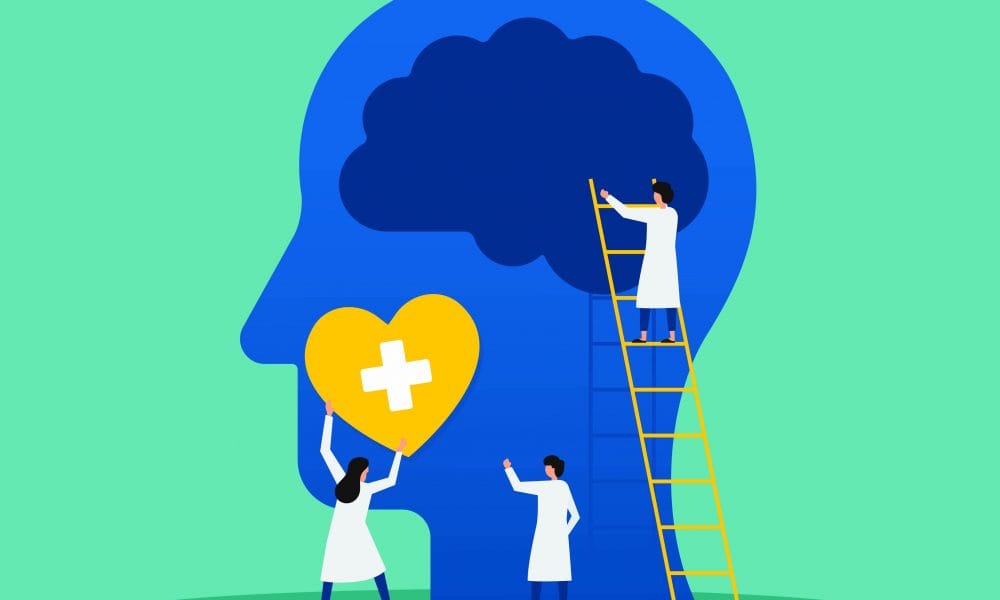 Long COVID28 Jul
Research is underway to better understand the impact of Long COVID and the cognitive impairment associated with the condition.
The CICERO (Cognitive Impairment in long Covid: PhEnotyping and RehabilitatiOn) project will help to determine which elements of brain function are most affected in people with Long COVID, using MRI scanning to identify affected brain networks. UCL researchers will then develop and test a new rehabilitation strategy to help people recover from the cognitive aspects of Long COVID and return to normal life and working ability. This will support production of a freely available COVID-19 Cognitive Recovery Guide on how best to offer the new rehabilitation approach depending on the patient’s symptoms. It has been backed by £1.2 million from NIHR. Brain injury15 Jul
Suicidal risk and understanding how best to respond was the subject of a recent webinar for professionals working with brain and spinal injured clients. Assessments including how to assess the different levels of risk, including looking out for red flags, primary drivers and secondary drivers, were all addressed to empower people to deal with what [...]
 Neuropsychology14 Jul
Researchers have made significant advancements in correlating aberrations in specific brain circuits with neuropsychiatric conditions like depression.
However, it remains difficult to prove that damage to these circuits causes the symptoms themselves and that targeting them with therapeutics could help patients. By integrating brain lesion datasets with data on how two treatments - deep brain stimulation (DBS) and transcranial magnetic stimulation (TMS) - influence neuropsychiatric disorders, researchers from Brigham and Women's Hospital and collaborators developed a new brain mapping approach that may help clarify the cause of a variety of neuropsychiatric conditions and identify promising stimulation sites to target therapeutically. Neuropsychology8 Jul
Listening to music while running could be key to improving people’s performance when they feel mentally fatigued, a study has found.
The performance of runners who listened to a self-selected playlist after completing a demanding thinking task was at the same level as when they were not mentally fatigued, the research revealed. The study is the first to investigate the effect of listening to music playlists on endurance running capacity and performance when mentally fatigued. Researchers at the Moray House School of Education and Sport used two tests to study how listening to music affected the running performance of eighteen fitness enthusiasts. One test looked at the effects on interval running capacity – alternating between high intensity running and lower intensity jogging – with a group of nine physically active exercisers, and the other on a 5km time-trial with a group of nine trained runners. Neuropsychology24 Jun
Depression in childhood or adolescence is associated with higher levels of adult anxiety and substance use disorders, worse health and social functioning, less financial and educational achievement, and increased criminality.
New research, published by Elsevier, has highlighted the impact of depression between the ages of nine and 16 as being a possible risk factor in future life. The findings are based on the Great Smoky Mountains Study, an ongoing longitudinal community-based project tracking the health of 1,420 participants from the rural US Southeast that has been ongoing since 1993. "One in 12 children struggle with depression at some point between the ages 9 and 16, with girls more likely to be affected than boys. This is a common childhood challenge, that, unfortunately, often goes unnoticed by the adults in children's lives, including parents, teachers, and paediatricians," says lead author William Copeland, professor in the Department of Psychiatry at the University of Vermont.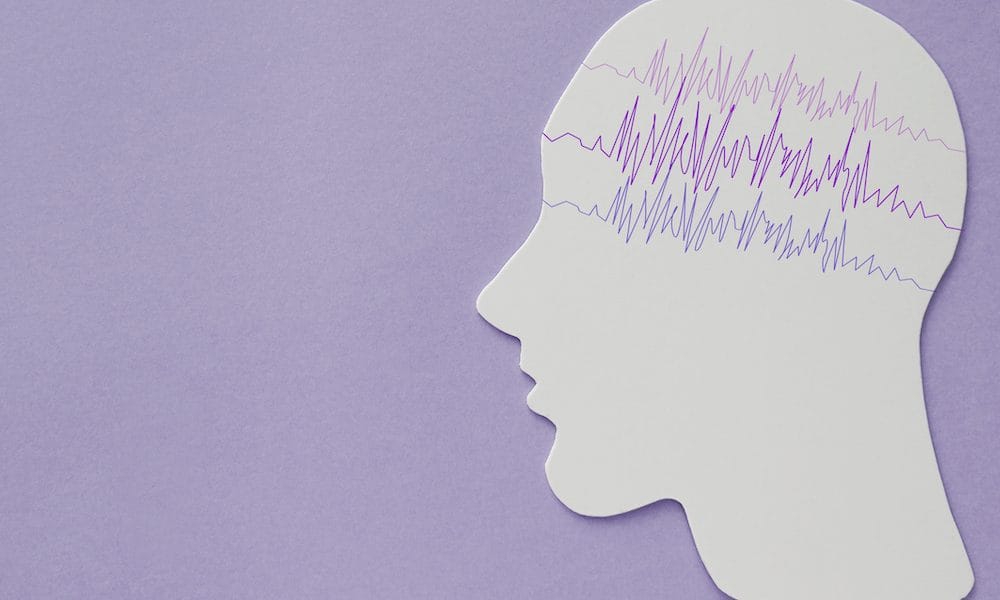 Neuropsychology14 Jun
Neurological and psychiatric symptoms including fatigue and depression are common among people with COVID-19 and may be just as likely in people with mild cases, according to a new study.
By reviewing evidence from 215 studies of COVID-19, the extent of the virus affecting mental health and the brain has been discovered. “We had expected that neurological and psychiatric symptoms would be more common in severe COVID-19 cases, but instead we found that some symptoms appeared to be more common in mild cases,” says lead author Dr Jonathan Rogers, UCL Psychiatry and South London and Maudsley NHS Foundation Trust. “It appears that COVID-19 affecting mental health and the brain is the norm, rather than the exception.” Neuropsychology7 Jun
The COVID-19 pandemic has had a "significant, detrimental" impact on adolescent mental health, especially in girls, a new study has found.
In research involving over 59,000 Icelandic teenagers, negative mental health outcomes were disproportionately reported by girls and older adolescents (13 to 18-year-olds), compared to same-age peers prior to the pandemic. At the same time, it revealed a decline in cigarette smoking, e-cigarette usage and alcohol intoxication among 15 to 18-year-old adolescents during the pandemic. The study is the first to investigate and document age and gender-specific changes in adolescent mental health problems and substance use during the COVID-19 pandemic, while accounting for upward trends that were appearing before the pandemic. Thorhildur Halldorsdottir, a clinical psychologist and assistant professor of psychology at Reykjavik University who is the study co-principal investigator, says the study represents a "landmark contribution to what we now know about just how psychologically devastating being socially isolated from peers and friends during the ongoing pandemic has been for young people."- Research25 May
Young people have a decision making ability distinct from IQ, which is associated with good social function but may be linked to poor mental health, a new study has revealed.
The decision-making ability, called ‘decision acuity’, is a novel construct and may be underpinned by how strongly certain brain networks are connected, researchers from UCL and Karolinska Institutet found. “We worked to improve understanding of the brain underpinnings of decision-making ability in adolescence and early adulthood – a critical period of development and a common time for the emergence of psychiatric disorders,” says Dr Michael Moutoussis, of Max Planck UCL Centre for Computational Psychiatry & Ageing Research and Wellcome Centre for Human Neuroimaging, UCL Queen Square Institute of Neurology.  Long COVID18 May
Long COVID can cause psychological symptoms including mood disorders, fatigue and perceived cognitive impairment that can impact on returning to work and resuming normal activities, new research has revealed.
A new study reports on the first 100 patients to participate in Mayo Clinic's COVID-19 Activity Rehabilitation program (CARP), one of the first multidisciplinary programmes established to evaluate and treat patients with post-COVID-19 syndrome, also known as Long COVID. More than a third of patients reported difficulties performing basic activities of daily living, and only one in three patients had returned to unrestricted work activity.


