News
The latest news from across neurorehabilitation.
 Legal & policy9 Jul
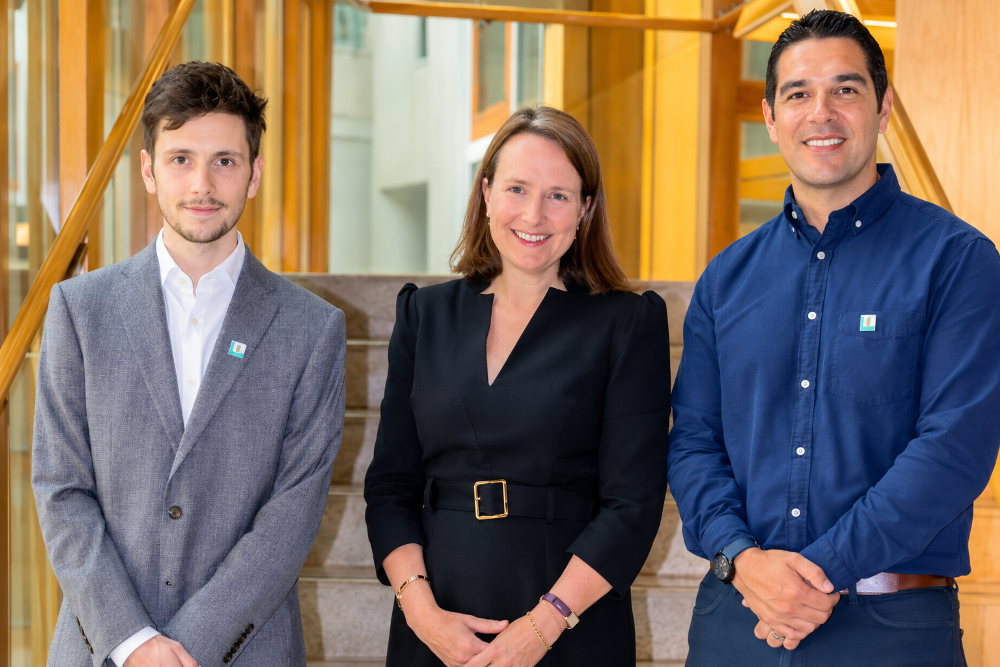
Two of the UK's leading specialist law firms have joined forces with Cerebral Palsy Scotland to launch a new Legal Support Network aimed at improving access to expert legal advice for people with cerebral palsy and their families. The network, spearheaded by Cerebral Palsy Scotland, brings together legal specialists with expertise in cerebral palsy, birth [...]
 Multiple sclerosis8 Jul
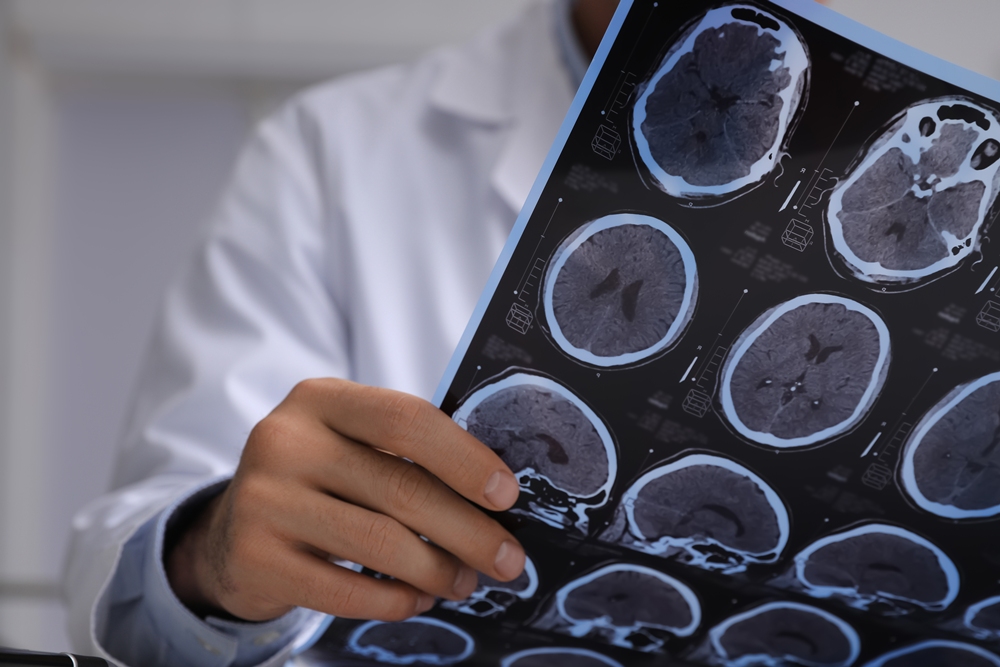
AI has revealed previously undetectable brain lesions in people with MS, in research that could change how the condition is monitored. Multiple sclerosis, commonly known as MS, is a debilitating condition in which the immune system mistakenly attacks the nervous system. It affects around 150,000 people in the UK. It can cause fatigue, vision problems, [...]
 News8 Jul
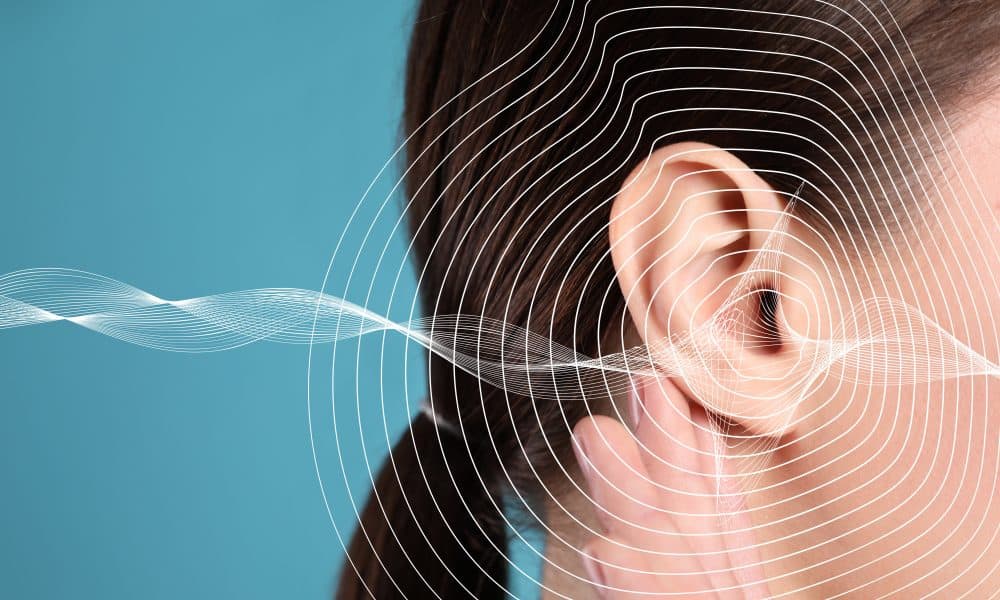
Communication difficulties following a brain injury can take many forms. But too often, when someone struggles to speak, find words or process language at the usual pace, the people around them - however well-meaning - begin to speak for them. How do families, carers, therapists and lawyers make sure that what's heard is truly the [...]
 Multiple sclerosis7 Jul
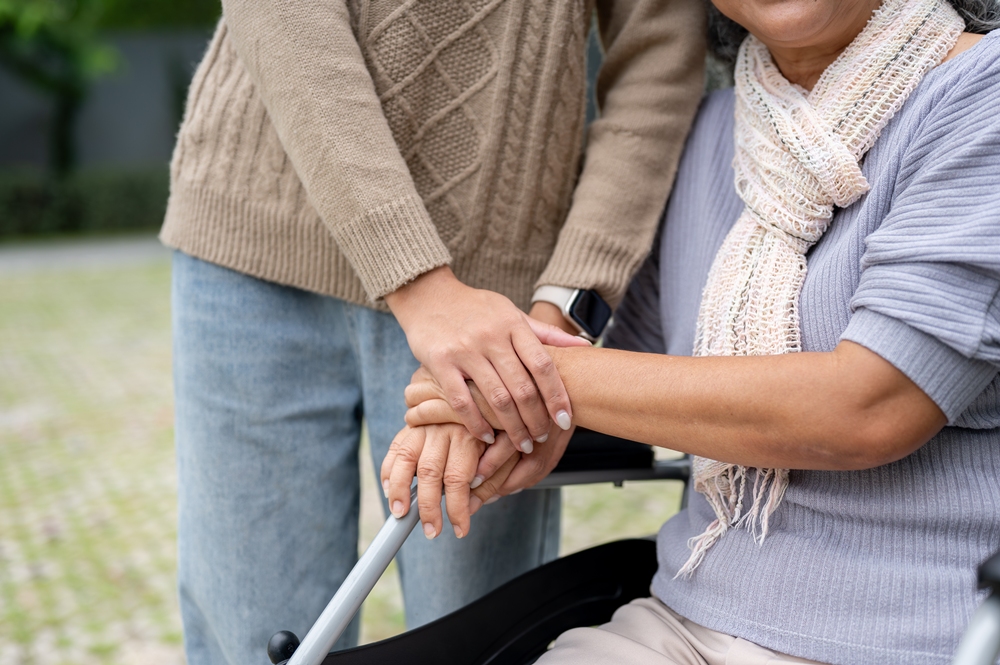
MS affects social life and work for many people, while finances and education are also affected, a nationwide study has found. More than half of participants said the condition affected their social lives, while almost half reported an impact on their work. The findings suggest the effects of the neurological condition extend beyond physical symptoms [...]
 Brain injury7 Jul
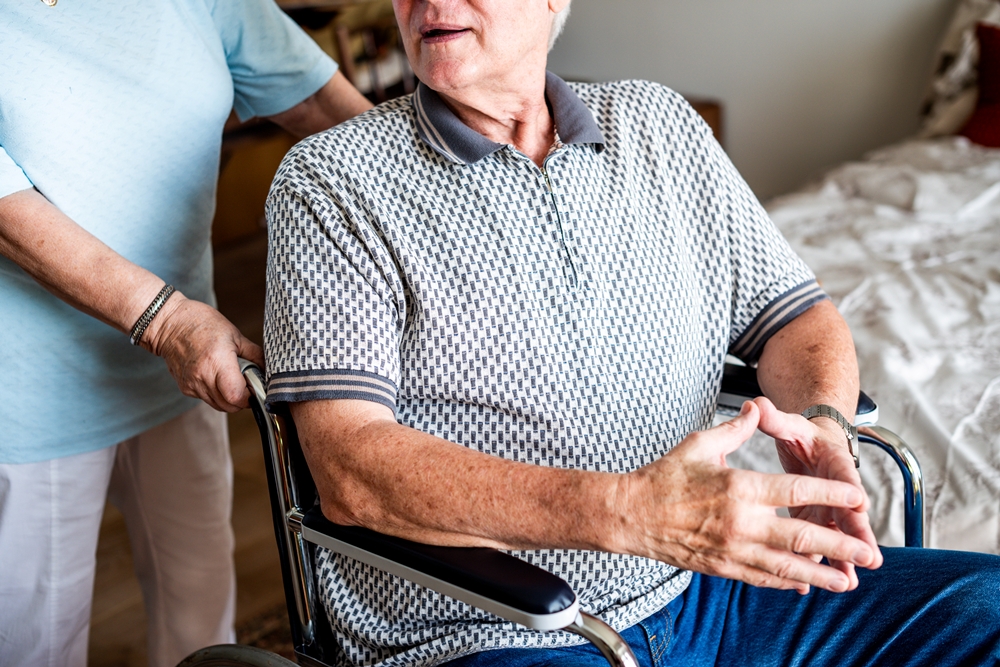
Traumatic brain injury (TBI) and several neurological conditions appear to be linked in both directions among older adults, a study of US veterans suggests. Veterans who sustained a TBI had higher rates of stroke, dementia, Parkinson’s disease and epilepsy before the injury than participants without TBI. After TBI, rates of stroke, epilepsy and dementia increased [...]
 Parkinson's7 Jul
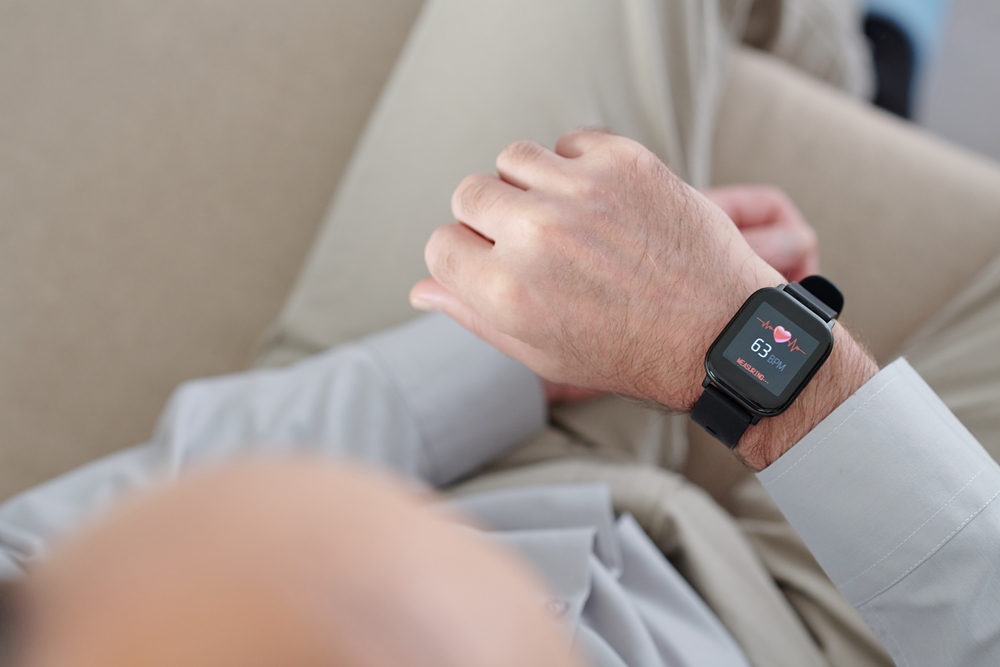
A Parkinson’s technology company has secured a €317,762 EU grant to extend its monitoring algorithms to third-party wearable devices. InSignals Neurotech will use the funding to enable its proprietary algorithms to operate remotely through devices including smartwatches and smart rings. The development aims to support continuous monitoring of Parkinson’s disease outside clinical settings. [...]
 Spinal injury6 Jul
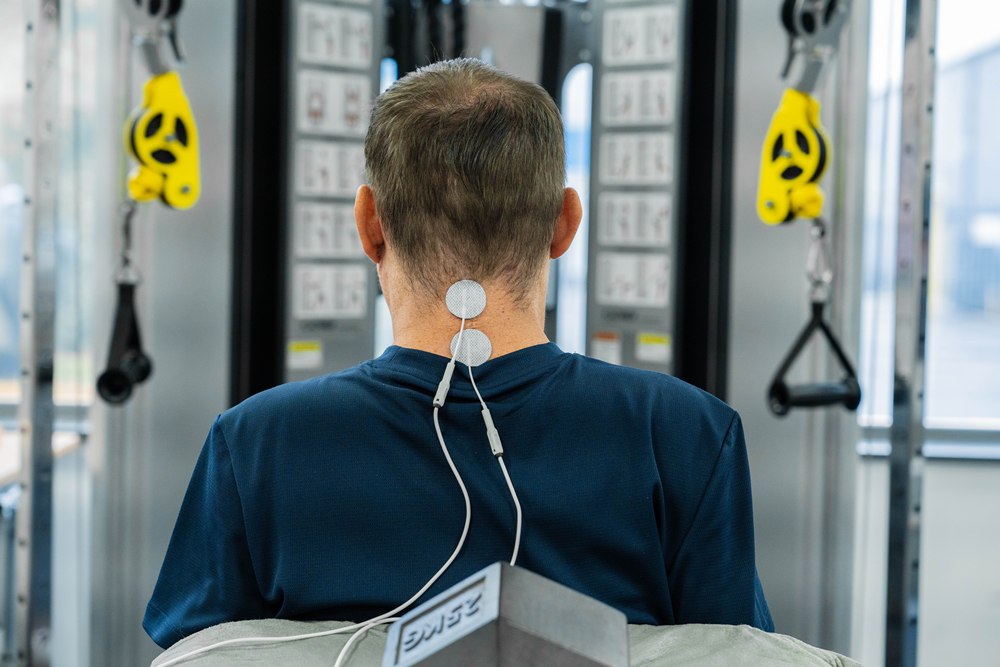
Alan*, 52, has regained strength, mobility and function in his left shoulder, arm and hand 34 years after experiencing partial paralysis following a spinal cord injury as a teenager. He achieved these gains by completing a groundbreaking eight-week programme combining ONWARD Medical’s newly-approved ARCEX spinal stimulation system with the Neurokinex Activity Based Rehabilitation protocol. One [...]
 Stroke6 Jul
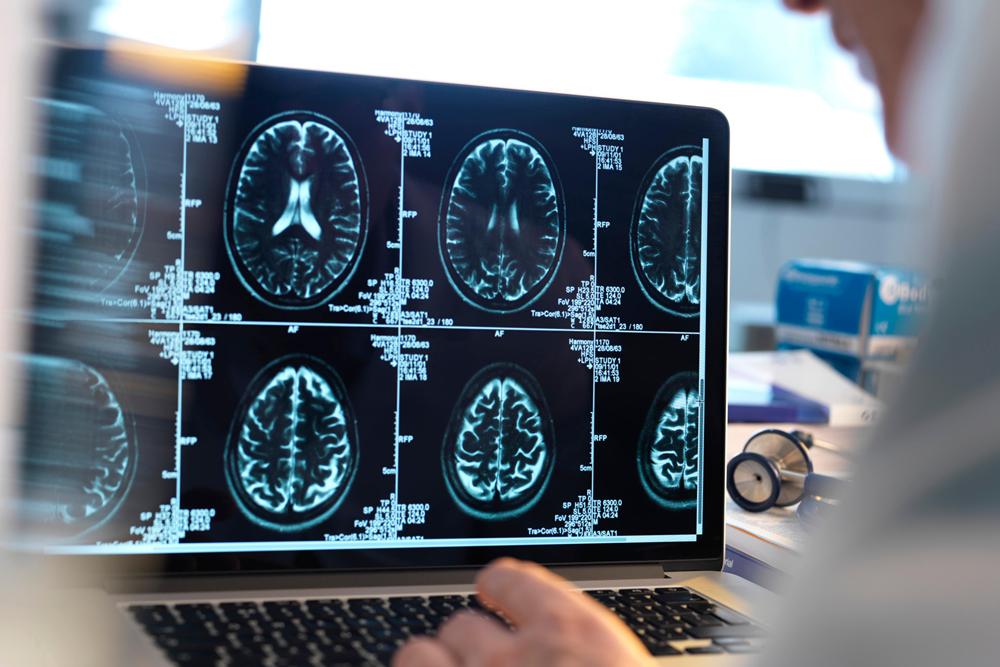
Artery widening, rather than fatty plaque, has been strongly linked to lacunar stroke and may help explain why preventive treatments often fail. The findings may explain why aspirin and other antiplatelet medicines have had limited success in preventing this common type of stroke. Antiplatelet drugs make blood cells called platelets less likely to stick together [...]
 Multiple sclerosis6 Jul
The final patient has begun dosing in a trial of a nasal therapy for non-active secondary progressive multiple sclerosis. The phase 2a study is evaluating the safety, tolerability and efficacy of foralumab compared with a placebo, an inactive treatment. Headline results are expected later this year and are planned for presentation at the joint ACTRIMS-ECTRIMS [...]
 Stroke6 Jul
A temporary gene pattern may help explain neck artery tears that cause one in five strokes in people aged under 55. The findings could help identify people at risk of cervical artery dissection and inform ways to prevent strokes in younger adults. A cervical artery dissection is a tear in the wall of an artery [...]