


News

A brain injury charity has criticised the Premier League for ignoring temporary concussion substitutes after two Bournemouth players clashed in a 4-0 defeat to Aston Villa. Adam Smith and Tyler Adams clashed heads at speed early in the 4-0 defeat, with only Smith substituted while Adams completed the full 90 minutes. Headway UK said the [...]
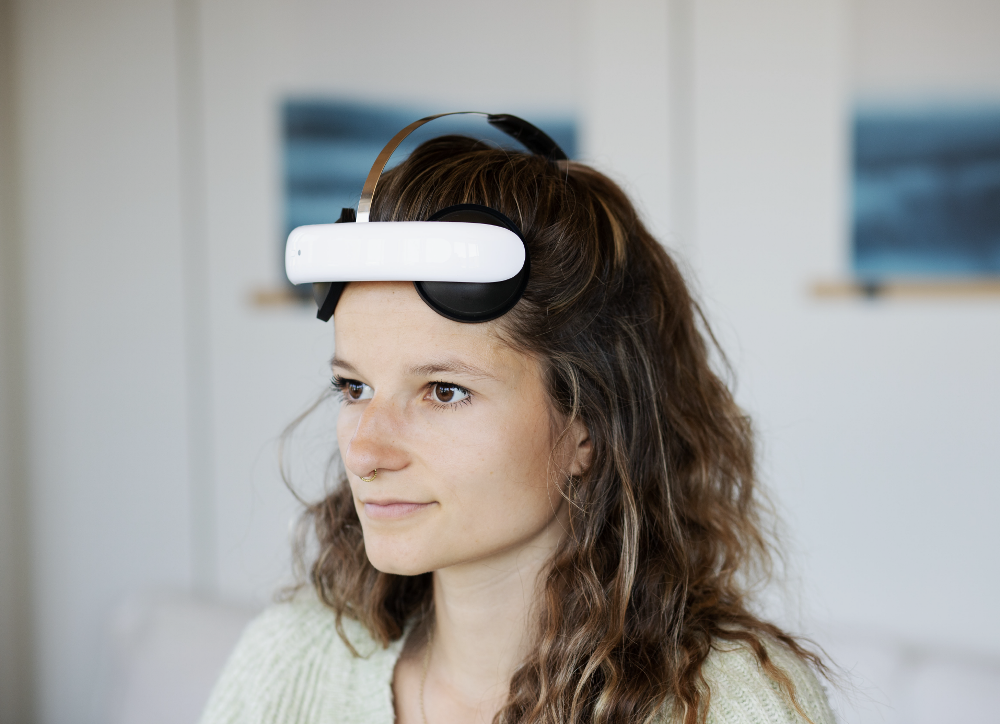
At-home brain stimulation can prevent relapse of major depressive disorder in 75 per cent of patients, a new study has found. The PSYLECT study tracked the long-term effects of home-based transcranial direct current stimulation (tDCS) therapy combined with online behavioural support. The findings revealed that non-drug, at-home treatment could help many patients maintain recovery from [...]
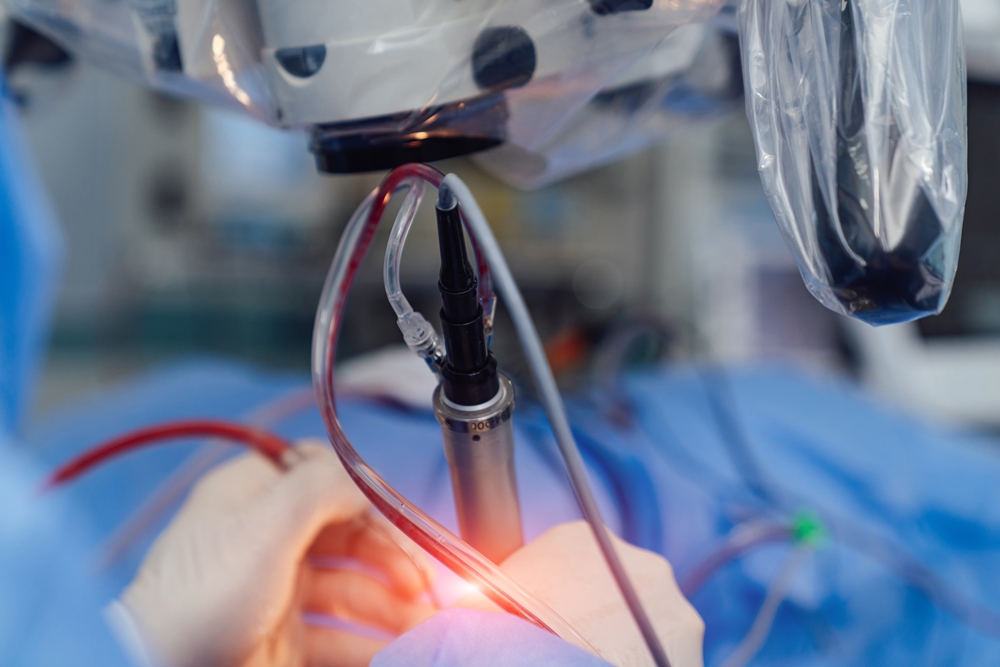
Doctors in Scotland and the US carried out a world-first robot stroke surgery, completing remote procedures on donated human bodies. Prof Iris Grunwald at Ninewells Hospital in Dundee performed a remote thrombectomy – the removal of blood clots after a stroke – on a human cadaver donated to medical science located across the city at [...]
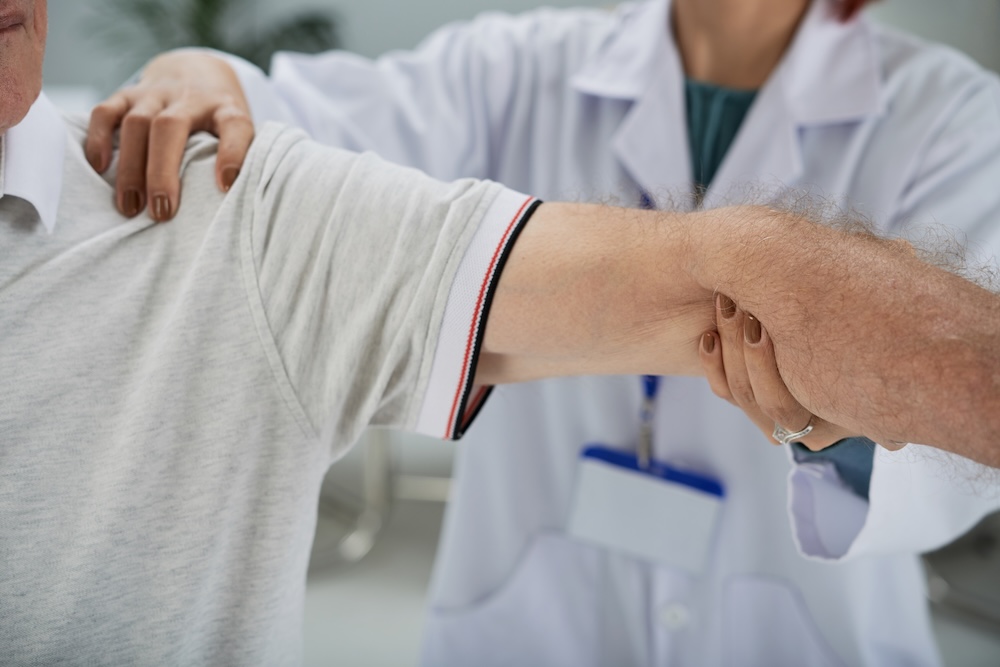
A simple walking test that times how quickly people turn could flag Parkinson's nearly nine years before diagnosis. The finding could help spot patients in the prodromal phase – the earliest stage when brain damage starts but symptoms are subtle. This window can last years before tremor and movement problems prompt diagnosis. The [...]

A new $1.75 million joint venture will fund and scale breakthrough technologies designed to transform the lives of people living with neurological conditions. The programme, a collaboration between Australian disability services provider MSWA and Founders Factory, will back and fast-track global startups developing cutting-edge solutions, including the use of AI, robotics and wearables that address [...]

Former Sunderland footballer David Watson has won a key appeal to have his neurological condition recognised as work-related. Watson, 79, who helped Sunderland win the 1973 FA Cup, is living with probable Alzheimer’s and probable CTE (chronic traumatic encephalopathy) — a degenerative brain disease linked to repeated head impacts. The Upper Tribunal has overturned a [...]

People who drink heavily are more likely to suffer severe brain bleeds at a younger age, with larger haemorrhages occurring about a decade earlier than in non-drinkers, new research has revealed. Patients who consumed three or more alcoholic drinks a day experienced brain bleeds at an average age of 64, compared with 75 for non-drinkers, [...]

The country’s first NHS National Rehabilitation Centre (NRC) is set to open its doors for patients. The NRC is a 70-bed, state-of-the-art specialist rehab centre for NHS patients who have experienced a life-changing illness or injury. The centre, at Stanford Hall in Nottinghamshire, is run and staffed by Nottingham University Hospitals NHS Trust (NUH). [...]

People with traumatic spinal cord injuries face a higher risk of developing long-term health conditions, regardless of their age, injury location or previous health status, new research has found. Researchers found that patients with traumatic spinal cord injuries (TSCI) were more likely to develop cardiovascular, endocrine, neurological and psychiatric disorders than people without such injuries. [...]

A study has identified a shared brain-signalling mechanism in Parkinson’s and Alzheimer’s diseases, revealing a possible common cause behind their neurodegenerative symptoms. Researchers discovered a molecular pathway that disrupts communication between brain cells in both conditions, improving understanding of how their symptoms are produced. The disruption occurs at synapses — junctions between nerve cells where [...]


