



News
The latest news from across neurorehabilitation.
 Multiple sclerosis14 Apr
Frame running could help people who have lost mobility and balance return to high-intensity exercise, with research pointing to benefits for those with MS. Researchers at Queen Margaret University say the growing sport is proving life-changing for disabled people, particularly those living with multiple sclerosis, or MS. The sport uses a three-wheeled, pedal-less [...]
 Brain injury14 Apr
Children with TBI face higher rates of anxiety and depression, while strong family support may help lower the risk of depression after injury, new research has revealed. Researchers analysed links between medically diagnosed traumatic brain injury, or TBI, and mental and physical health outcomes in US children and teenagers aged six to 17. They found [...]
 Charity news14 Apr
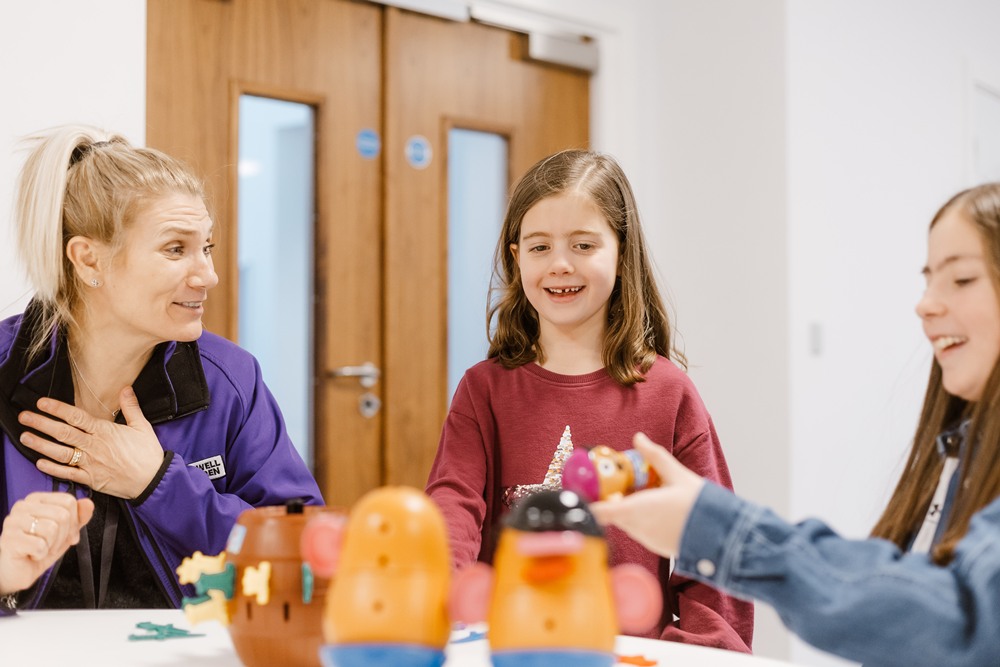
A charity which delivers life-changing services to disabled and neurodivergent children, and their families, has formed a new partnership with a national law firm. Caudwell Children has worked with young people and their families since 2000 to enable them to have the opportunity, support, and freedom to realise their individual potential, despite the challenges they [...]
 Multiple sclerosis13 Apr
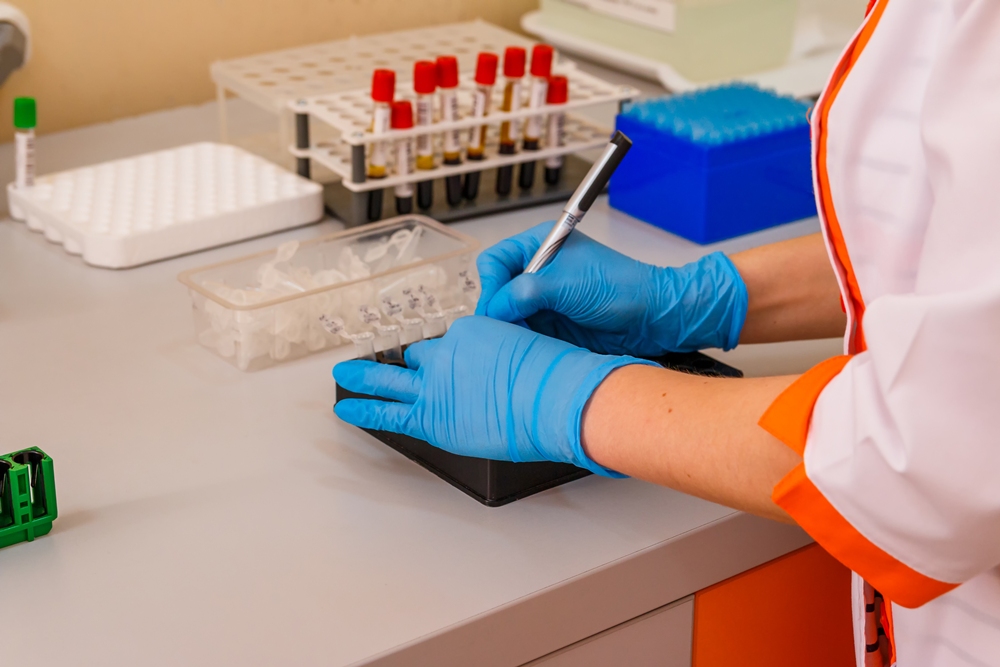
Roche has received CE mark approval for an MS blood test to help monitor nerve damage linked to inflammation in adults with relapsing remitting MS. The Elecsys Neurofilament Light Chain, or NfL, test measures a protein released when nerve cells are injured. It is designed to reflect neuroinflammation, or inflammation in the nervous system, in [...]
 Parkinson's13 Apr
No Doubt guitarist Tom Dumont has revealed his Parkinson's diagnosis after living with early-onset symptoms for a number of years. The musician told fans he is living with early-onset Parkinson's in a video filmed at his home, where he detailed how the disease has affected his life. "I went to my doctor.,I went to a [...]
 Brain injury13 Apr
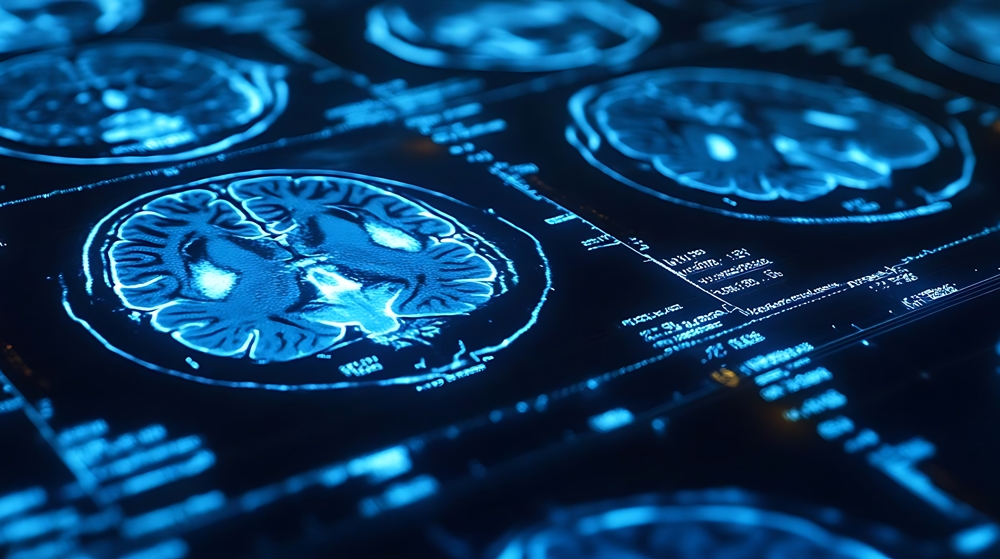
The Special Air Service Association has launched a scheme to send special forces veterans with blast-induced traumatic brain injury, or TBI, to the US for diagnosis and treatment. Blast TBI can be caused by major explosions, but also by repeated exposure to low-level blast over a period of time. Symptoms often emerge many years after [...]
 Brain injury10 Apr
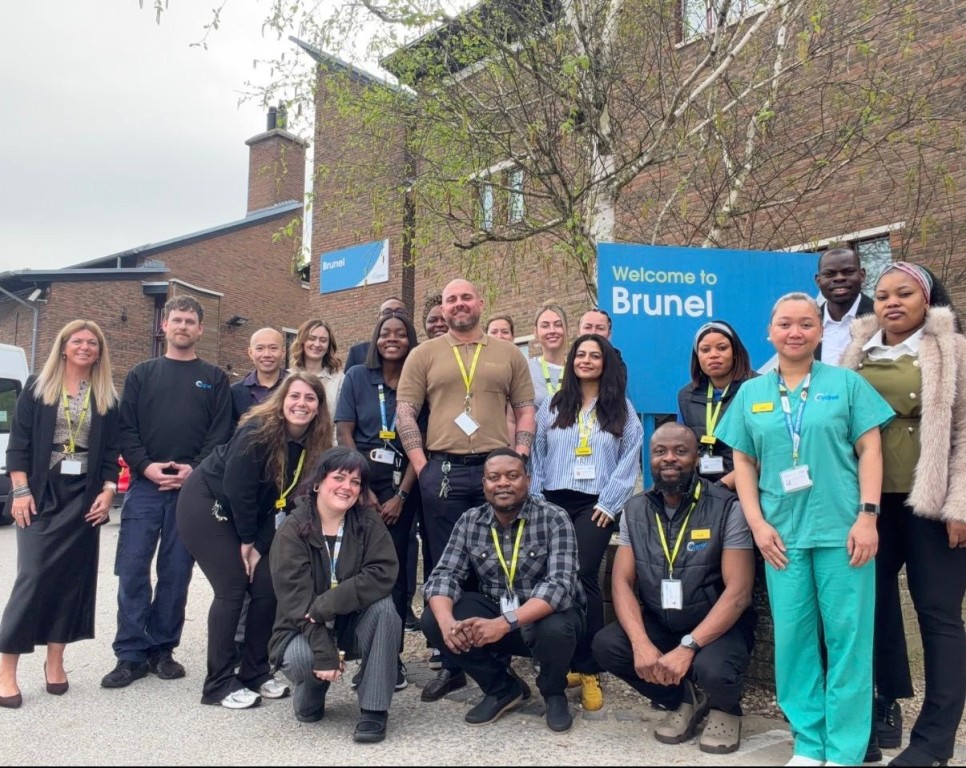
A hospital in Henbury which supports men with brain injuries is celebrating after being recognised by a regulator for achieving outcomes “better than expected” and for being described as “exceptional and distinctive”. The Care Quality Commission has rated Cygnet Brunel, on Crow Lane, Henbury, as Good overall, with the Cygnet hospital achieving an Outstanding rating [...]
 Parkinson's10 Apr
An early trial suggests a targeted Parkinson’s treatment could safely cut a key protein linked to the disease, though larger studies are still needed. The drug, known as BIIB094, targets LRRK2, the most common genetic contributor to Parkinson’s disease. Variants in LRRK2 are known to increase the risk of developing the neurodegenerative disorder, which affects [...]
 Care & services9 Apr
Government plans for a right to try scheme would let disabled people try work without losing benefits, but campaigners say more is needed to tackle hostile workplaces. Legislation laid before Parliament on Thursday will mean that people who start work or volunteering no longer automatically face a benefit reassessment, a prospect disabled people said was [...]
 Therapy9 Apr
By Chiltern Music Therapy One of the striking features of Neurological Music Therapy (NMT) is its ability to simultaneously achieve traditional clinical outcome measures while authentically meeting patient-centred outcome measures (PCOMs). In an evaluation of Chiltern Music Therapy’s Neurological Music Therapy service at Chapel Allerton Hospital, 64.75 per cent of patients met their SMART rehabilitation [...]








