



News
The latest news from across neurorehabilitation.
 Brain injury8 Apr
Fish oil may increase CTE risk after brain injury, with a study suggesting the common supplement could worsen the long-term effects of repeated head knocks. CTE is a degenerative brain condition linked to repeated head impacts, including so-called mild concussions in contact sports. Symptoms such as mood swings, memory loss and depression may not appear [...]
 Multiple sclerosis8 Apr
An MS patient is campaigning for a carer hospital access law to help disabled patients receive extra support in hospital. Nina Parry, from Swindon in Wiltshire, said some people with disabilities worried they would not be able to have their carers at their side if they were admitted to hospital. Currently, carers can make themselves [...]
 Brain injury7 Apr
Researchers are calling for a re-evaluation of guidelines used in the care of children with traumatic head injuries following the first multicentre study of its kind in the UK. The paper suggests that the existing intracranial pressure thresholds used for treatment should be lower in children than in adults. Intracranial pressure means the pressure inside [...]
 Stroke7 Apr
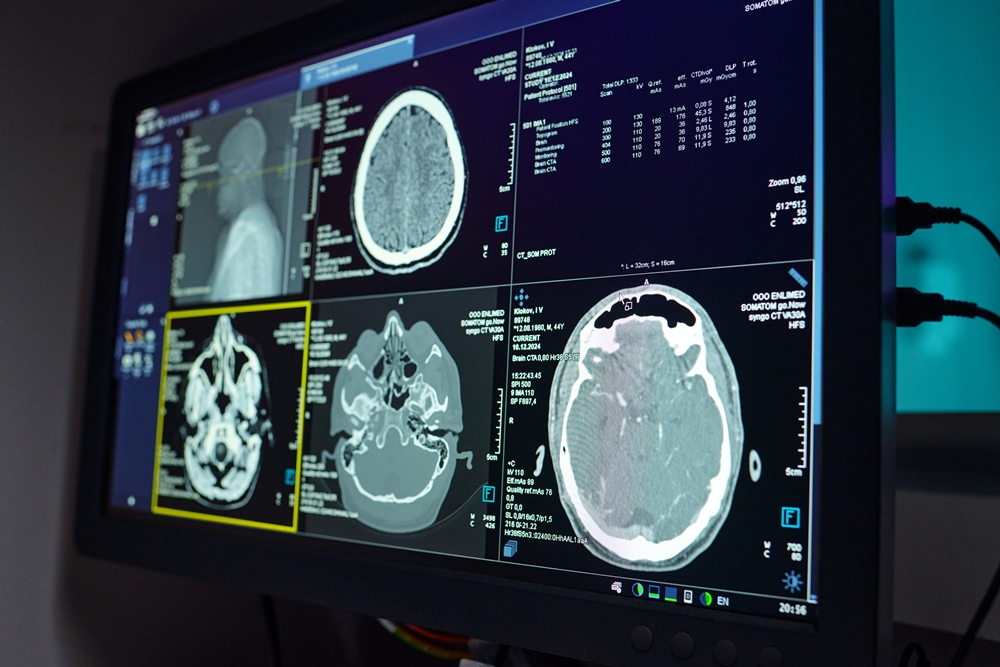
Seven of England’s 24 stroke centres still do not offer stroke therapy 24/7, despite pledges to make it available across England by 1 April, a Guardian investigation has revealed. The health service was expected to improve stroke care by making a clot-removal technique called mechanical thrombectomy available everywhere in the country 24/7 from 1 April. [...]
 Brain injury7 Apr
Rochdale’s Ashbrook Neuro Rehabilitation has begun a new chapter with a new registered manager focused on improving social connections for people with acquired brain injuries, and a refurbishment project also underway. With a 28-year career in health and social care, Donna Bunce has a wealth of experience in transforming the standards of each service she [...]
 Case management7 Apr
By Claudette Joint, Clinical Lead, Unite Professionals Case Management When a young personal trainer sustained life-changing injuries in a UK road traffic accident, the expectation was that his rehabilitation journey would be challenging. The complexity increased further when he returned to Brazil shortly after discharge, with no access to the therapy, specialist input or funding [...]
 Multiple sclerosis6 Apr
Having glandular fever, also known as infectious mononucleosiss on mono, caused by the Epstein-Barr virus is associated with an increased risk of developing multiple sclerosis (MS), according to a recent study. The Epstein-Barr virus is a herpes virus that is extremely common but causes no symptoms in most people. However, when a person contracts the [...]
 Spinal injury2 Apr
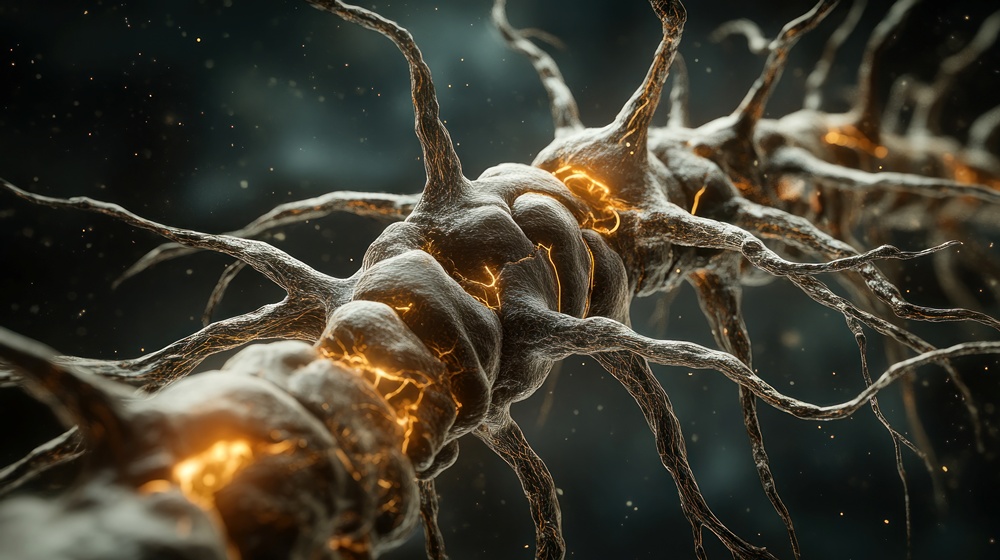
A five-year study will examine V3 neurons, with the aim of one day helping people with spinal cord injury stand again. The University of Alberta team is led by David Bennett, professor in the faculty of rehabilitation medicine, and has been awarded CA$1.39m by the Canadian Institutes of Health Research. It is one of 23 [...]
 Spinal injury2 Apr
Hypnotic therapy reduced spinal cord injury pain after six weekly remote sessions, outperforming usual care in a new study. Six weekly remote sessions combining hypnosis with cognitive therapy significantly reduced pain intensity, compared with usual clinical care, among patients with spinal cord injury. Senior author Mark P. Jensen, is professor of rehabilitation medicine [...]
 Clinical practice1 Apr
UK researchers have identified a disorder believed to be one of the most common genetic causes of child epilepsy. The condition, called recessive RNU2-2-related neurodevelopmental disorder, is associated with seizures and severe developmental delay in children under one year old, in areas such as speech and walking. The NIHR Manchester Biomedical Research Centre estimates there [...]








