



News
The latest news from across neurorehabilitation.
 Tech & industry25 Sep
Worcestershire Acute Hospitals NHS Trust, in collaboration with Altera Digital Health and Healthcare Innovation Consortium (HIC), has completed a trailblazing benefits realisation review in tissue viability. Breakthrough improvements have been delivered through the adoption of the Sunrise™ Electronic Patient Record (EPR) system, as part of the review to understand and optimise the impact of introducing [...]
 Stroke25 Sep
Turkish doctors are using interventional neuroradiology to treat strokes, aneurysms and spinal disorders without surgery, helping patients recover faster. The minimally invasive methods use needles and catheters instead of surgical incisions, avoiding general anaesthesia and long hospital stays while treating conditions including herniated discs, spinal fractures, spinal tumours and brain aneurysms. Interventional neuroradiology – which [...]
 Spinal injury25 Sep
A leisure centre boss using a wheelchair is aiming for a world record by completing a marathon on a ski simulation machine for a spinal injury charity. Richard Cartwright hopes to be the first to cover 26.2 miles (42km) on a SkiErg machine in the SIT 3 category – for people with no core function [...]
 Brain injury24 Sep
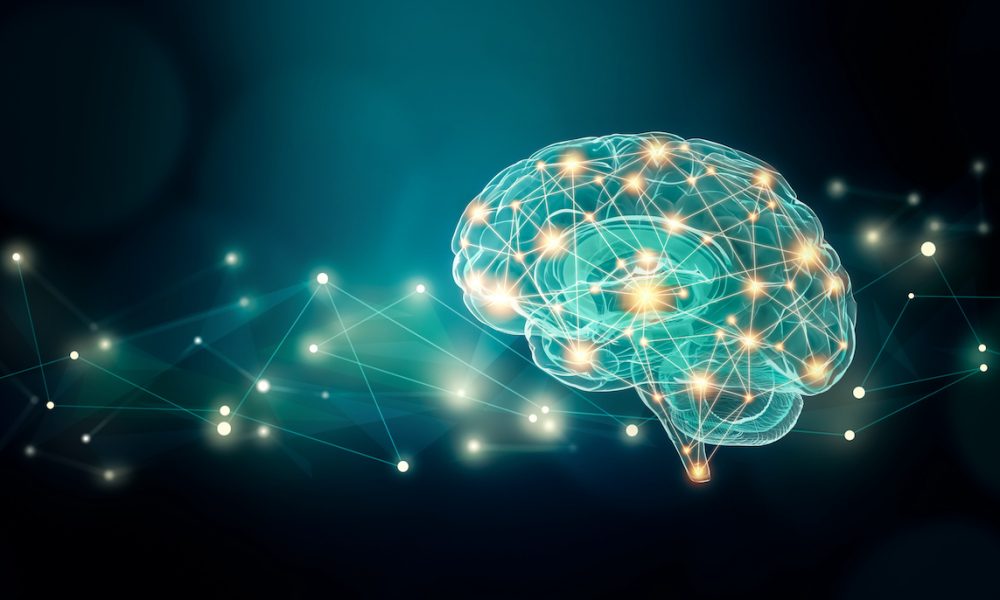
Scientists have found that fibroblasts – healing cells usually active elsewhere in the body – also help repair brain injuries and could form the basis of new treatments. The cells move from protective membranes around the brain into damaged tissue, where they form scars and help manage immune responses during different stages of recovery. The [...]
 Huntington's24 Sep
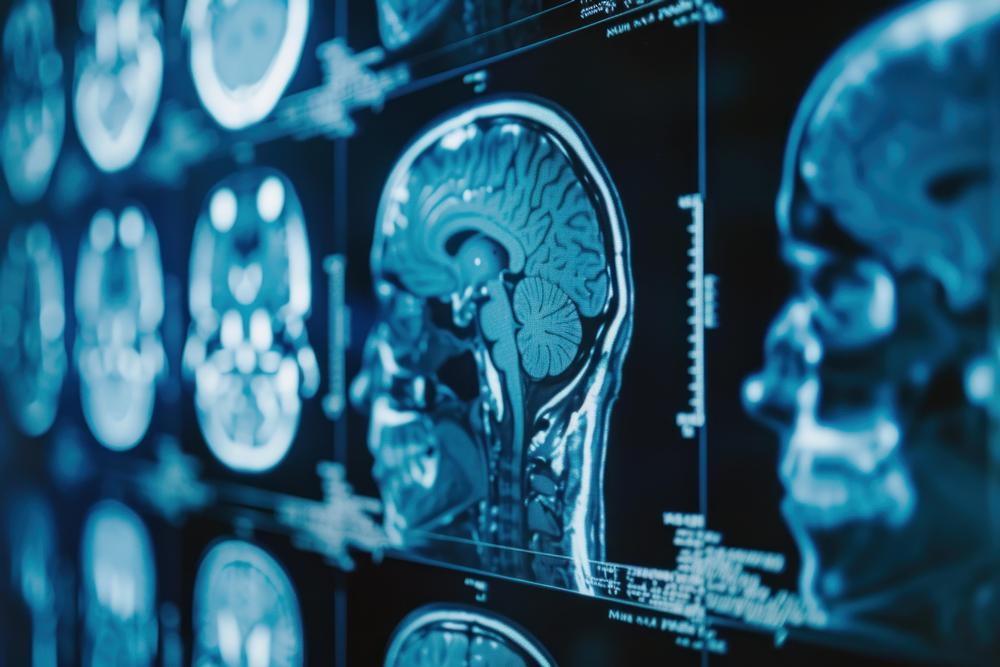
Gene therapy slowed Huntington's disease progression by 75 per cent in a recent trial, in what researchers describe as the first effective treatment for the condition. The therapy means that decline expected in one year would instead take four years, potentially giving patients decades of better quality life, researchers said. Researchers from University [...]
 Dementia24 Sep
Oral bacteria that settle in the gut may produce chemicals that damage brain cells and play a role in Parkinson's disease, researchers have suggested. Scientists found that Streptococcus mutans – the bacterium responsible for tooth decay – was more common in the guts of Parkinson’s patients than in healthy people. The finding adds to the case for [...]
 Brain injury23 Sep
The transformational power of music at Adderley Green At Adderley Green Neurological Centre, part of the Elysium Neurological division, the sound of recovery isn’t just metaphorical, it’s literal. Since 2017, Neurologic Music Therapy (NMT) has been helping patients reclaim their voices, regain movement, and reconnect with their identity after life-changing neurological injuries. Delivered by Chiltern [...]
 Spinal injury23 Sep
Routine blood tests tracked over time may help predict injury severity and survival chances after spinal cord damage, according to a University of Waterloo study. The research team used advanced analytics and machine learning – a form of artificial intelligence that can detect patterns in large datasets – to assess whether daily hospital blood samples [...]
 Brain injury23 Sep
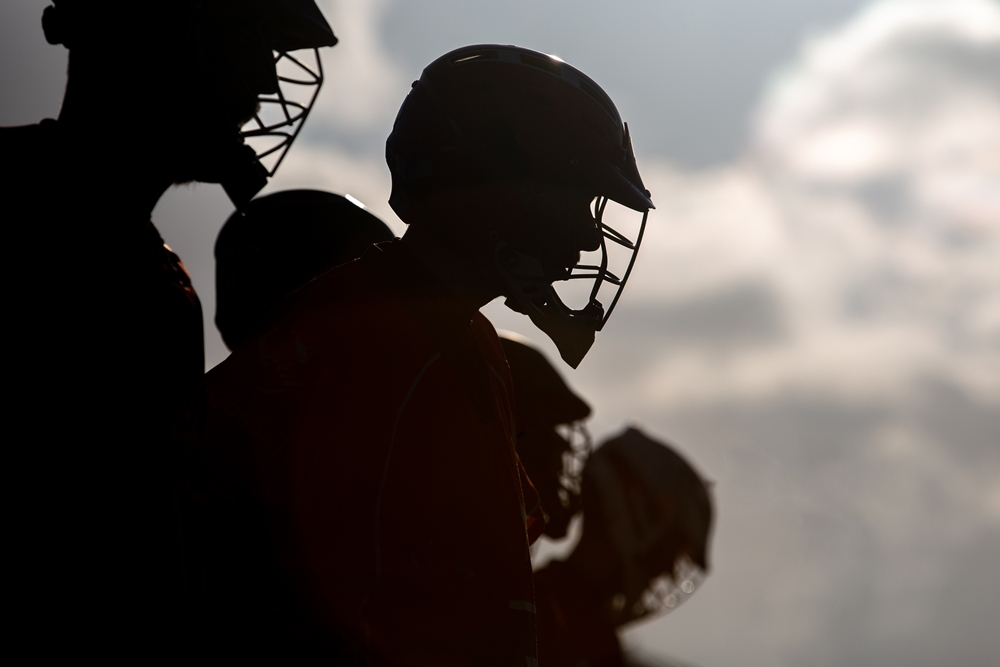
CTE, a brain condition linked to repeated head injuries in sport, has for the first time been identified in people who had experienced homelessness. Chronic traumatic encephalopathy (CTE) – often linked to boxing, rugby and American football – was detected in post-mortem examinations of people with a history of homelessness, marking the first confirmed cases [...]
 Stroke23 Sep
Former footballer Chris Kamara told an awards audience he is "through to the other side" of his brain injury, speaking at the National Diversity Awards. The 67-year-old broadcaster, diagnosed with speech apraxia in 2022, said the "kindness of people" had helped him in his recovery. Speech apraxia is a motor speech disorder that affects the [...]








