


News
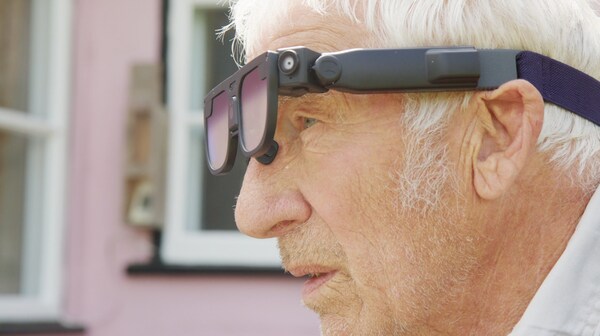
A global challenge to find new technologies that use AI to transform the lives of people with dementia has announced its five finalists. They include AI glasses to help people navigate their environment and a smartwatch that learns daily routines. The prize is rewarding the creation of new assistive technologies that use AI to help [...]
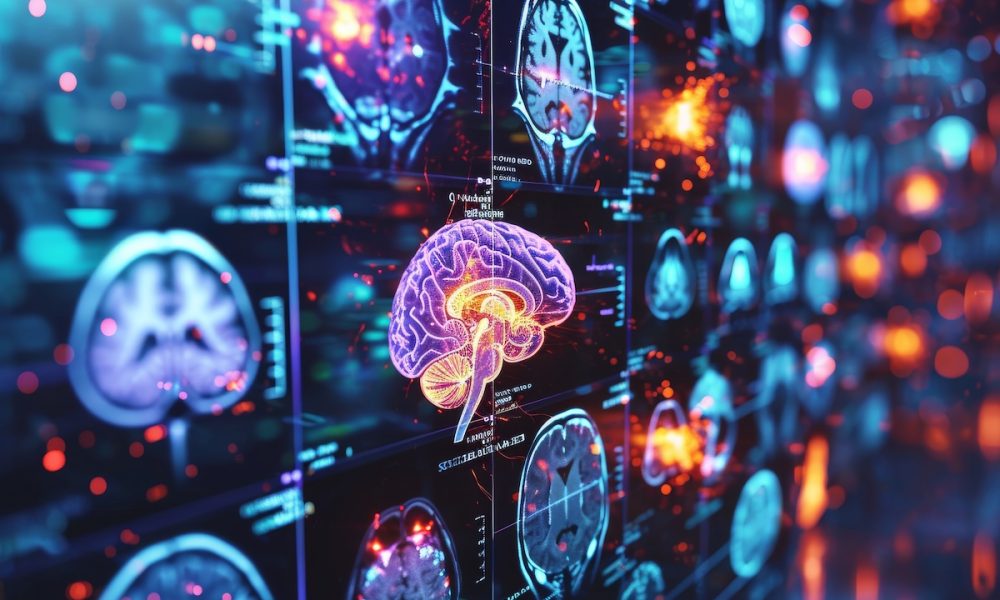
An independent report has assessed the legacy of the Human Brain Project (HBP) an EU-backed initiative which concluded in 2023 after 10 years. The HBP brought together more than 500 scientists, clinicians and engineers from all over Europe, to establish new ways of studying human brain complexity through advanced computational methods and cutting-edge technologies. It [...]

Damage to the brainstem – the brain’s ‘control centre’ – is behind long-lasting physical and psychiatric effects of severe Covid-19 infection, a study suggests. Using ultra-high-resolution scanners that can see the living brain in fine detail, researchers from the Universities of Cambridge and Oxford were able to observe the damaging effects Covid-19 can have on [...]

Researchers have found that a molecule in the brain – ophthalmic acid – unexpectedly acts like a neurotransmitter similar to dopamine in regulating motor function, offering a new therapeutic target for Parkinson’s and other movement diseases. Researchers observed that ophthalmic acid binds to and activates calcium-sensing receptors in the brain, reversing the movement impairments of [...]

Researchers have shown that a pill form of the drug dronabinol, a synthetic version of marijuana’s main ingredient, THC, reduces agitation in patients with Alzheimer’s by an average of 30 per cent. The researchers say that compared to current treatments for agitation, such as antipsychotics, dronabinol produced similar calming effects without adverse results such as [...]
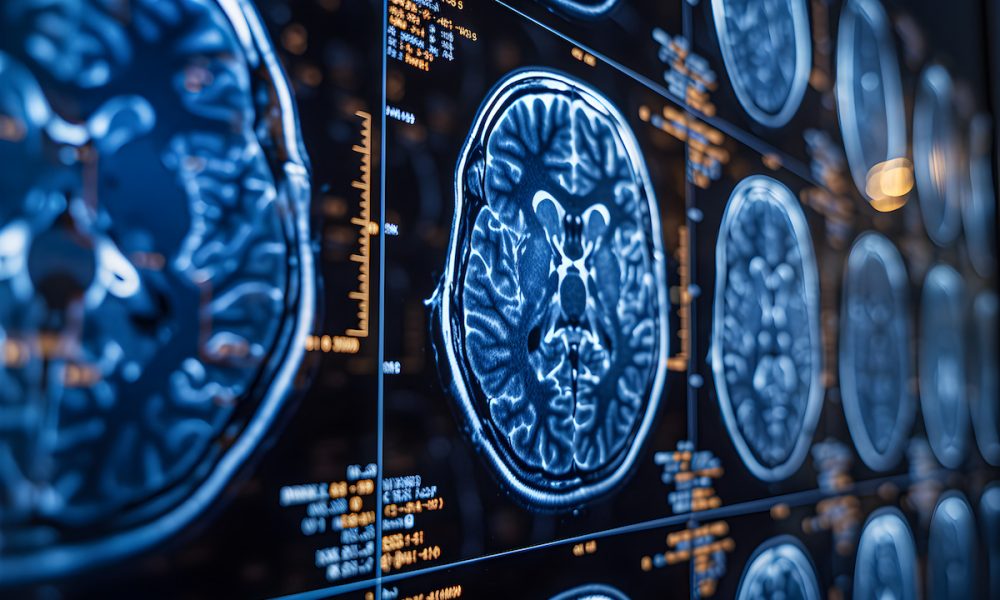
A new noninvasive method which harnesses light to activate neurons in the brain could have implications for the treatment of neurological conditions, scientists say. The ability to regulate brain activation could transform invasive procedures such as deep brain stimulation that are used to treat Parkinson’s disease and other neurological conditions. This new technique - which [...]
Researchers in the US are investigating whether changes in the eye may indicate early signs of Parkinson's and Alzheimer's. A new study at NYU Langone Health will apply a novel eye-imaging technology called visible-light optical coherence tomography (OCT) to detect biomarkers of neurodegenerative disease. It has been backed by US$1.6m in grant funding from the [...]

A nurse with more than 20 years of experience working with the mental health sector has secured a senior role at St Andrew’s Healthcare. Catherine Vichare, who has worked at the complex mental health charity for eight years, has been appointed as its new Director of Nursing. Catherine, who started her nursing career in 2003, [...]

American life sciences firm Revvity has launched its in-vitro diagnostic EURORealTime APOE assay - used to help assess the safety of Alzheimer's treatment - in European countries that accept the CE mark. The assay is used to enable accurate genotyping of the APOE gene; a process which is valuable in assessing a patient’s risk for [...]

A pioneering new MS treatment which targets neuroimmune pathways will be the focus of a landmark study in the US next year following a breakthrough for its developer. Clinical-stage US-based company SetPoint Medical is developing a platform designed to stimulate the vagus nerve to activate neuroimmune pathways, in turn producing a systemic immune-restorative effect. The [...]


