


News

Scientists believe they may be closing in on a breakthrough in pursuit of earlier diagnosis in Parkinson’s.
In the development of Parkinson’s, the changes that will lead to neurodegeneration take place in the brain long before patients show any symptoms.
But without a test that can detect these changes, it’s difficult to intervene early to more effectively slow disease progression.
Doctors generally must rely on neurological examination and patients’ medical histories when diagnosing Parkinson’s.
Once clinical symptoms appear, however, the disease has already wreaked irreversible damage in the brain.

Researchers have shed new light on the causes of ALS through an investigation of a molecular anchor called VAP (vesicle-associated membrane protein-associated protein).
When experiencing new things, the structure and function of our neurons and their connections are rapidly being remodeled. This process, known as synaptic plasticity, is critical for us to learn and adapt. However, these changes require a lot of energy. Fortunately, our neurons are well-adapted to support these changes. Biological batteries known as mitochondria are strategically stabilized near sites of synaptic remodeling to ensure a local and efficient energy supply. However, how mitochondria are anchored near synapses was not known. A team of scientists at Max Planck Florida Institute for Neuroscience has now identified a molecular anchor called VAP that stabilises mitochondria near synapses to support these remodeling projects. The identification of VAP as a molecular anchor has particular significance because a mutation in VAP leads to ALS (amyotrophic lateral sclerosis), a progressive motor neuroe degeneration disease. This discovery, published in Nature Communications, not only sheds light on how memories are powered but opens up new research directions into ALS pathology.
The new guidelines enable Integrated Care Boards (ICBs) to consider eligibility for a past period of NHS continuing healthcare (CHC), even for those who did not apply, but think they are entitled to funding.

Quibim, a company developing imaging biomarkers for precision medicine that has created AI-based software to identify early-stage neurodegenerative diseases, has announced the launch of QP-Brain

More than a third of neurologists in the US believe Bruton’s tyrosine kinase (BTK) inhibitors have huge potential as a future treatment of multiple sclerosis (MS), according to findings from a recent Spherix Global Insights’ survey.

Click here to read the very latest news, interviews and insight from across the world of neuro-rehab

'We wanted to formally recognise all the hard work that the whole team does, 24 hours a day, every day, to support the service users in our care,' said Richardson Care
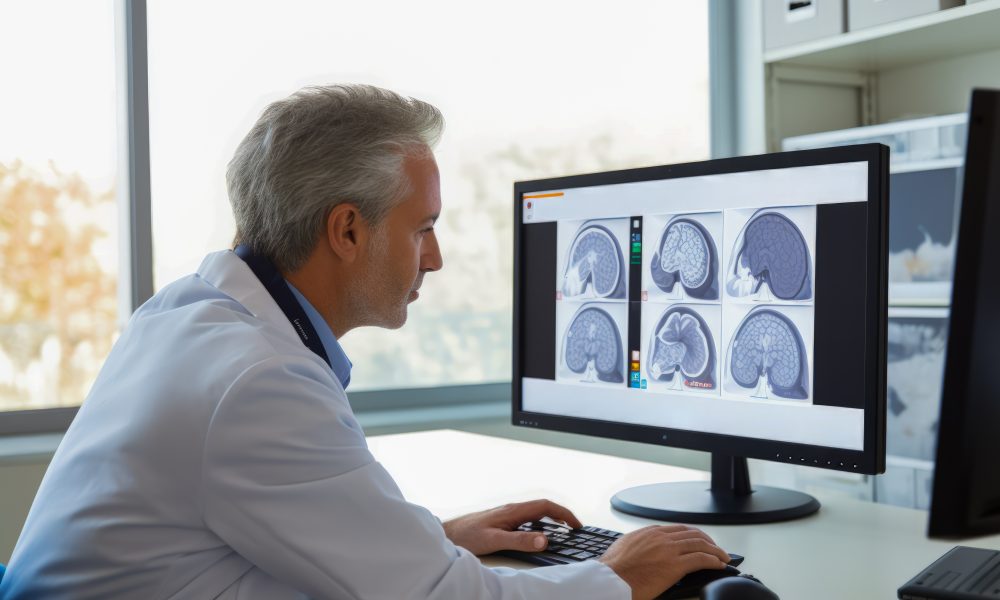
Professor Per Saris at the University of Helsinki said: "Our findings are significant, as the cause of Parkinson's disease has gone unknown despite attempts to identify it throughout the last two centuries"

Understanding Brain Fog Brain fog is more than just a momentary lapse in memory or a brief stint of confusion; it's a pervasive condition that can significantly hinder one's daily life. Characterised by symptoms like a lack of mental clarity, forgetfulness, and difficulty concentrating, brain fog can result from various factors including stress, hormonal changes, [...]


