


Opinion

Vitalijus Majorovas, co-founder of vagus nerve stimulator Pulsetto, speaks to NR Times about the importance of drug-free and technological care.

At the start of the 2022/23 football season, the English Football Association announced a trial ban for heading the ball for all levels involving children under the age of 12. The ban is being trialled in order to protect the developing brains of participating children. Should the ban be deemed a success, the FA will [...]

Zaeem Zaidi, a yoga expert who teaches yoga for stroke rehabilitation shares with SR Times the benefits yoga can offer to a stroke patient. What are the key benefits yoga offers to a stroke survivor? Zaeem says: Stroke survivors must deal with the long-term repercussions of a stroke once they are released from the hospital. [...]
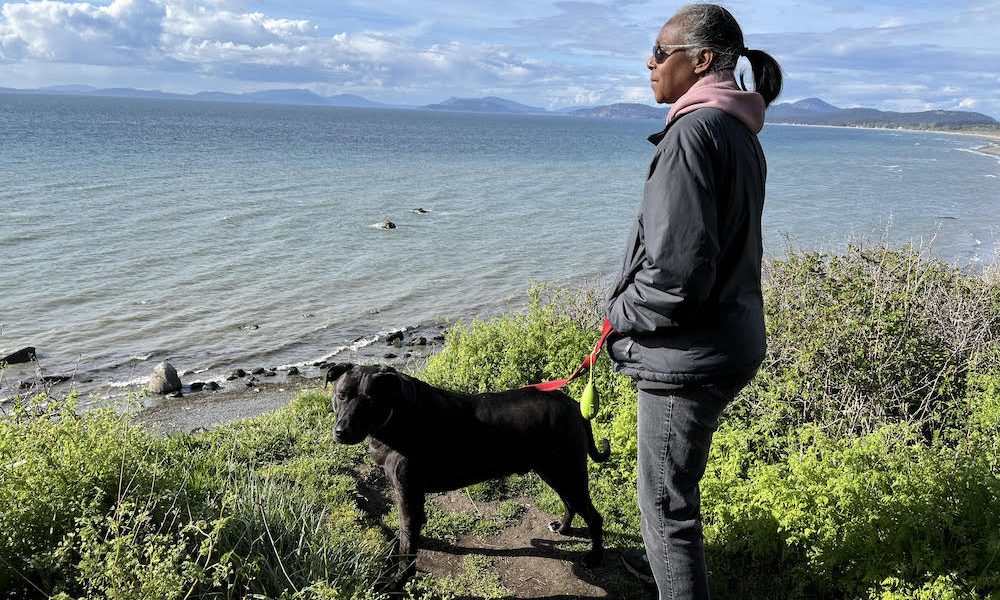
Karen Grazionale lives on the east coast of the United States with her husband, Victor, and their dog Riley. Her essay, When the Sun Rises, won her runner-up status and publishing in the February 2023 issue of BRAIN. She is currently writing a memoir. It’s been seven years since my husband was hit by a [...]
"DMT in the living animal reduced experimental stroke size and sped functional recovery."
Dr Lynn Schaefer gives SR Times her expert knowledge on the topic of patients decision making capacity after stroke, what if they cannot make decisions for themselves? How do we help stroke patients to make decisions for themselves? What kinds of cognitive deficits may result from a stroke? In addition to physical symptoms, such as [...]
"The stroke patient journey can be a whirlwind"
Jo Threlfall was only seven-years-old when she lost her dad, after he’d suffered a stroke. Now, she tells SR Times what stroke has taught her… “I move my body every day as I've got this as a non negotiable in my weekly journal/planner” says Jo. By keeping a weekly planner Jo is able to keep [...]
By Dr Sarah Moore Last week saw the welcome return of face-to-face for the UK Stroke Forum conference in Liverpool after two years of online delivery. Rachel Stockley (University of Central Lancashire) and I were invited over a year ago to represent the Association of Chartered Physiotherapists in Neurology (ACPIN) on the UKSF scientific conference [...]
By Simone Budding, occupational therapist


