


Opinion

Last month, I wrote about how stroke survivors are being left behind as the government wakes up to the value of rehab for long Covid. Well, that blog seems to have touched a nerve. A number of you contacted me to tell me of your own disappointing experiences with community rehab, including stroke survivor, Louise [...]
Long Covid is a very real phenomenon, with one in five Covid patients having symptoms that last longer than five weeks. The Government has created dedicated Long Covid clinics in the community to help people get back on their feet after being struck with the virus. All this is very admirable. However, the symptoms of [...]
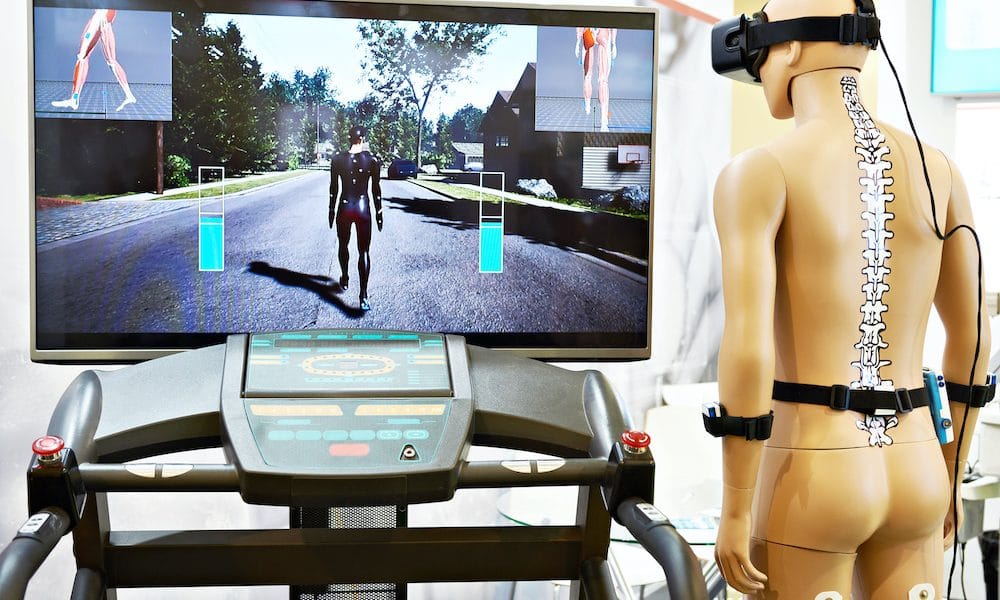
We are at an exciting time in neurorehabilitation, where we are discovering more and more about our brain and nervous system and how we can adapt to life-changing injuries by harnessing the potential of technology to push the boundaries of what is currently possible.

The risk calculator, SCORE2, will be adopted by the upcoming European Guidelines on Cardiovascular Disease Prevention in Clinical Practice, and enables doctors across Europe in the next ten years with greater accuracy than ever before. The research team behind the breakthrough say this new prediction tool will help save many more people across Europe from [...]

Kate Allatt, stroke survivor and GripAble ambassador, unpicks the concept of social prescribing, explains why it is an important part of the stroke and brain injury recovery process, and describes how GripAble is working to connect people and facilitate peer-to-peer support to help them flourish. Being discharged from hospital following a life-changing event such as a stroke [...]
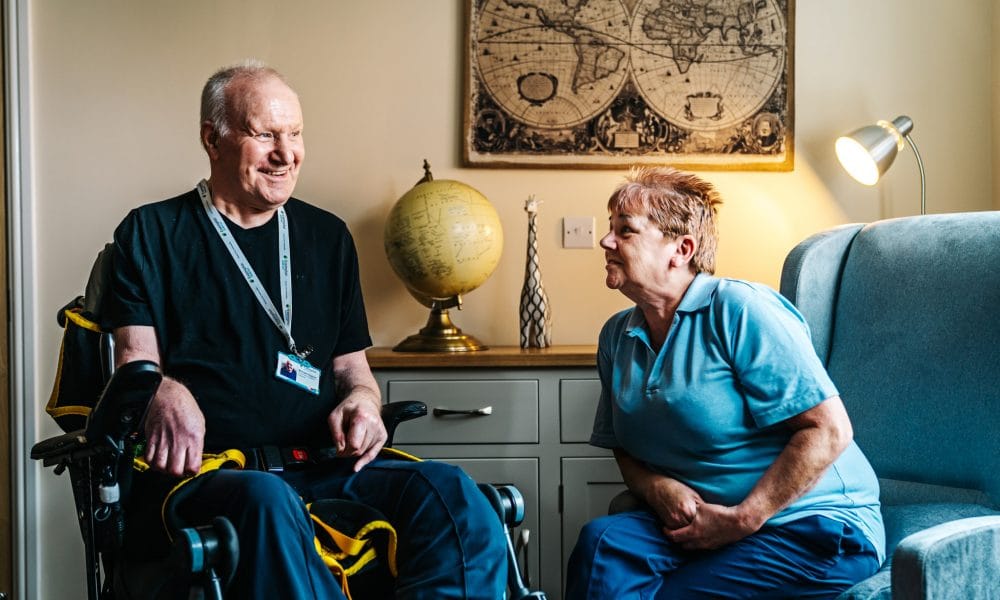
The COVID-19 pandemic has presented unique challenges for people living with dementia, as well as for those who support them. Tracey Carter, senior quality manager (dementia care) at Exemplar Health Care, shares how colleagues across the company have found innovative ways to support people living with dementia to stay safe and well, and uphold the principles of person-centred care
It’s vital that health and social care workers, other professionals and family carers continue to take a person-centred approach to care during the pandemic, to support people with dementia to maintain, and enhance, their health and wellbeing. Putting people first There are currently around 850,000 people living with dementia in the UK, each with their own unique personalities and life stories. Everyone will experience the pandemic and its effects differently, which is why it’s important to maintain a person-centred approach.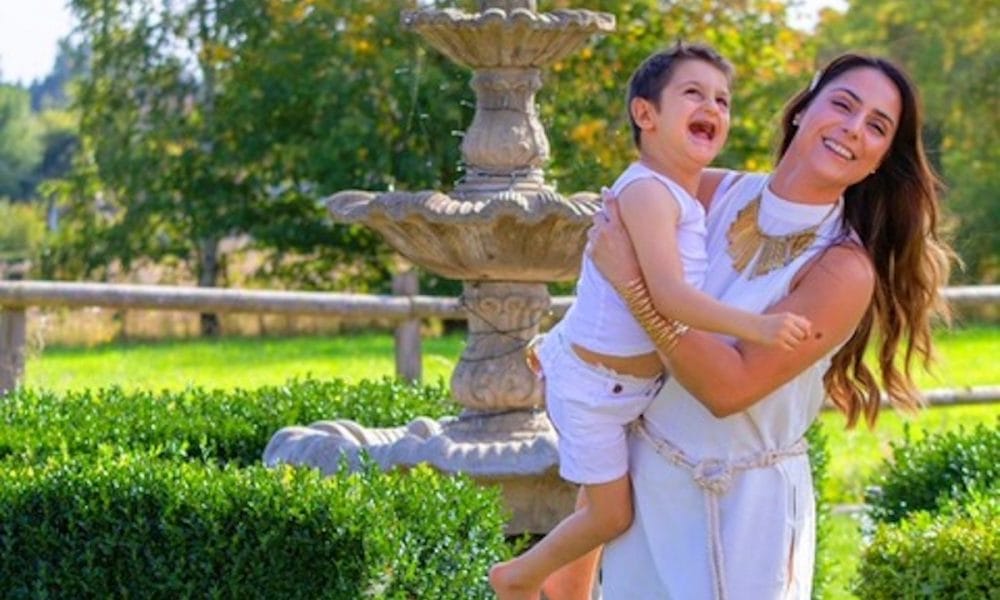
After Vasili Kalisperas was born a healthy baby, his jaundice was left undetected by midwives and led to him being left with cerebral palsy and needing round-the-clock care. Here, his mum Elena discusses the huge mental health challenges of being a parent in such a position and how she learned to admit it’s OK not to be OK
I’ve always been a very optimistic and positive person, which I do think helps during such traumatic times, but that’s definitely not to say it hasn’t been a struggle. As equipped as you might be in terms of your outlook on life to deal with challenges, when something so traumatic happens to you, it is of course going to be a struggle to come to terms with that.
Having contracted COVID-19, which has now become Long COVID, assistant neuropsychologist Alarna continues to battle a number of effects, including fatigue. Here, she shares her reflections on her experience, which has enabled her to gain a greater understanding of her patients' wish to return to their 'normal selves'
 My name is Alarna, and I am an assistant neuropsychologist at a specialist private neuro rehab hospital. I have worked in both supported living and rehabilitation settings for the past 14 years, with various mental health conditions, psychologically rooted illnesses, degenerative diseases, and rare neurological presentations.
Today in discussion with our company director responding to the question of “How are you?” I found that I had reached a new level of understanding for every patient that I had worked with. I found on some level I could identify with their journey as I am attempting to rehab myself. I answered, “I just want to get back to my normal self”.
My name is Alarna, and I am an assistant neuropsychologist at a specialist private neuro rehab hospital. I have worked in both supported living and rehabilitation settings for the past 14 years, with various mental health conditions, psychologically rooted illnesses, degenerative diseases, and rare neurological presentations.
Today in discussion with our company director responding to the question of “How are you?” I found that I had reached a new level of understanding for every patient that I had worked with. I found on some level I could identify with their journey as I am attempting to rehab myself. I answered, “I just want to get back to my normal self”.
Writing for HT World, Brian O’Shea, continuing healthcare advisor at the Spinal Injuries Association, urges commissioners to embrace change for the good of the patient.
Merryn Dowson, of rehab goal-setting platform Goal Manager, on why the virtual conference should endure long after COVID-19’s limitations are gone.
Just in case you hadn’t noticed, the last year has been a little bit different from previous years and by ‘different’ I, of course, mean ‘online’.
Conferences have been no exception. Instead of arriving at a large hall, picking up the first of the day’s seven coffees and scanning the room for the best pens on offer, we are finishing off our morning routines and setting our out-of-office email only to sit in the same chair and log in to an online virtual conference.
In March we may have hoped that these conferences would actually happen in person and that the world would quickly get back on its axis but we soon realised that this would not be the case.
We were to access it all from our computers, perched wherever we can manage in our homes.
In August, I had my first taste of this unprecedented, socially- distanced, new-normal approach to conferences by logging on to that of the American Psychological Association (APA).


