



Opinion
Women are 11 per cent less likely than men to be correctly diagnosed with a stroke by emergency medical staff, new research has found. The gap in pre-hospital stroke recognition means many women miss early treatment opportunities. Researchers estimate equal diagnosis rates could give women an average of 51 additional days of life. The study, [...]
A retired army captain diagnosed with Parkinson’s is holding a tea party to raise £5,000 for research into the condition. Geoff Hodgson, 62, was diagnosed with Parkinson’s in September last year. He and his husband Stephen Garry are organising the fundraiser to support others going through similar experiences. The event will take place at their [...]

By Stephanie McDonald, UPCM Clinical Lead, Unite Professionals Unite Professionals are committed to the provision of high-quality case management. One standout feature is the implementation of a comprehensive competency framework. This has delivered a number of benefits. Competency frameworks help employees to: understand the job expectations and key behaviours they should demonstrate determine the steps [...]

By Hamraj Gulamali, Head of Legal & Compliance at Zinc The UK care sector is facing a deepening crisis. Persistent staff shortages have placed immense strain on care providers, many of whom depend on international recruits to deliver safe and consistent care. At the same time, regulatory requirements, ranging from DBS and immigration checks to [...]
A judge has criticised a solicitor representing more than 1,000 former rugby players for failing to disclose medical records to the sport’s governing bodies. The cases involve claims from former players who say they suffered brain injuries, including chronic traumatic encephalopathy (CTE)—a progressive brain condition linked to repeated head impacts—while playing rugby. Senior master Jeremy [...]
Northern will name a train in honour of Rob Burrow, the Leeds Rhinos star who campaigned for motor neurone disease research before his death in June. The train operator is working with Burrow’s family and the MND Association to design artwork for the tribute, which aims to raise awareness of motor neurone disease – a [...]

The Stroke Association has deleted a series of social media posts and apologised after criticism from beneficiaries and other users over jokes about a viral video. On Friday, the charity joined other social media accounts in commenting on footage showing two people looking embarrassed after hugging at a Coldplay concert, with posts referencing rumours of [...]
St Andrew’s Healthcare, the UK’s largest charity specialising in complex mental health, has welcomed the publication of the Ten-Year Health Plan. However, it cautions that more must be done to close the gap between hospital and community care for individuals with the most severe conditions. Executive Medical Director, Dr Sanjith Kamath, commented: “We strongly welcome [...]
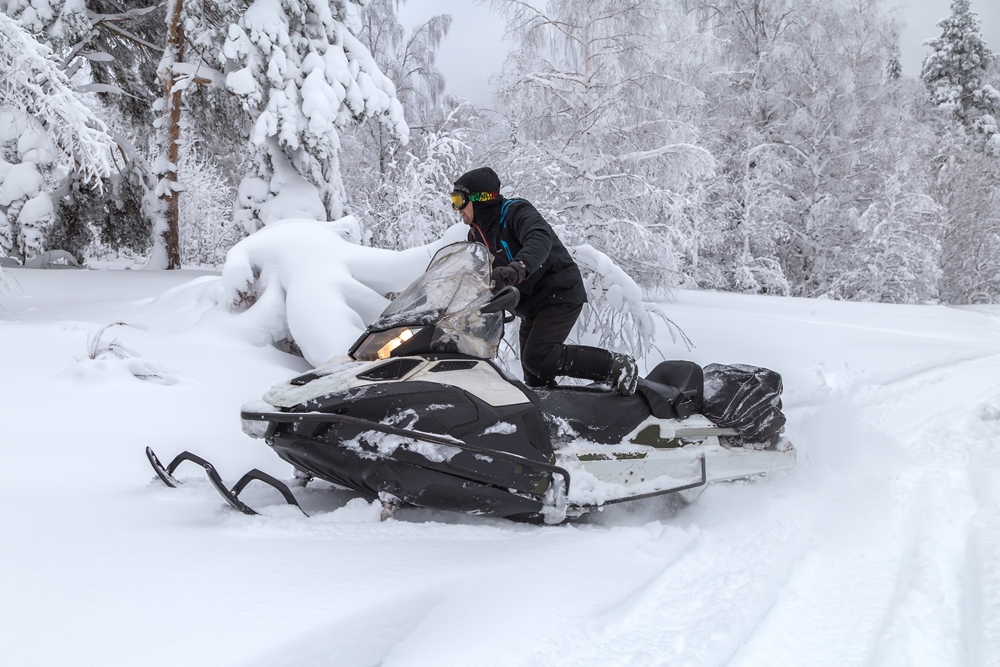
A US neurosurgeon is suing McLaren Automotive Events after suffering a “very significant” brain injury during a snowmobile safari organised by the company in Finland. Andrew Cannestra, 54, crashed near Ivalo in northern Finland on 2 February 2020 while taking part in a four-night “Pure McLaren Arctic Experience”, the High Court in London heard on [...]

The Spinal Injuries Association has issued a statement in response to the UK Government’s PIP Bill vote. The charity stated: The Spinal Injuries Association (SIA) welcomes the Government’s confirmation that Clause 5 of the Universal Credit and PIP Bill will be removed at committee stage next week. Clause 5 would have introduced a damaging and [...]


