



Parkinson’s
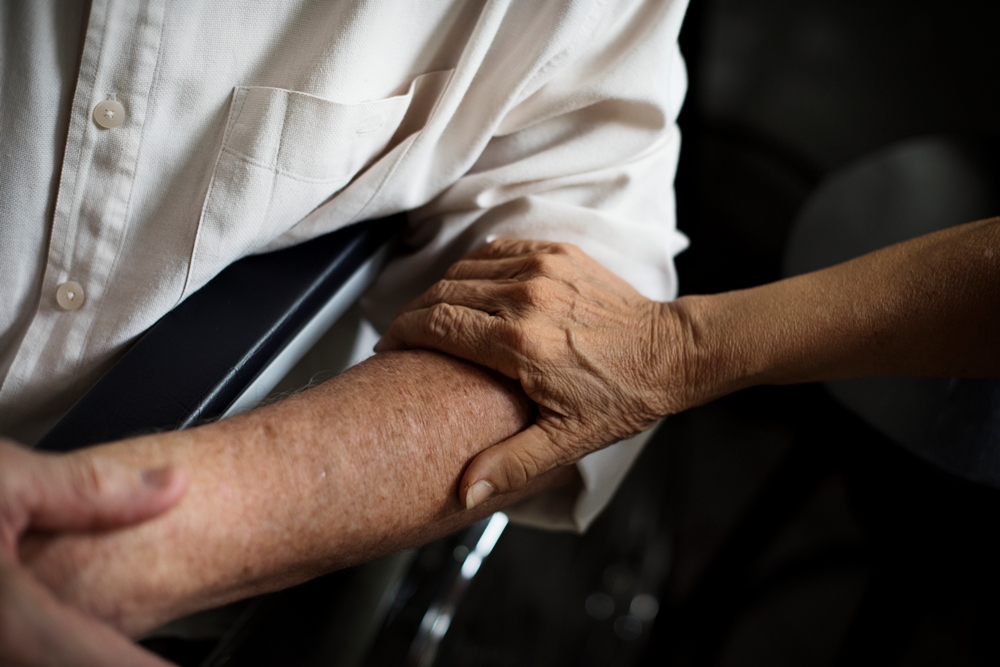
Human and fruit fly data have helped identify genes that may be risk factors or treatment targets in Parkinson's disease, a study suggests. The findings add to understanding of the endolysosomal pathway (ELP), the cell system that recycles and clears molecular waste, which has been increasingly linked to the toxic protein build-up seen in the [...]
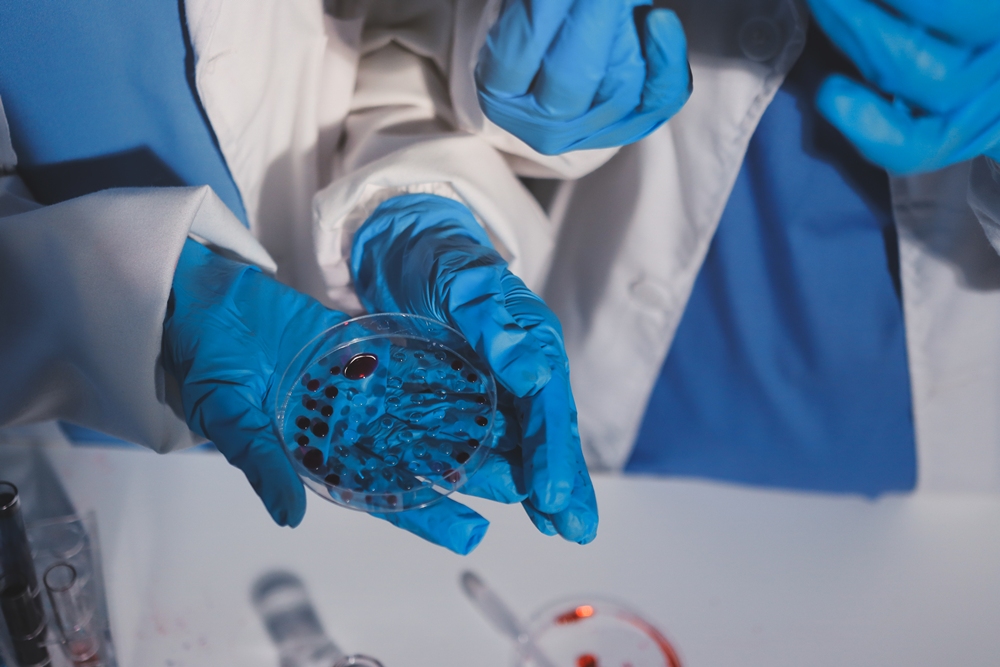
Personalised Parkinson's treatments are a step closer after researchers identified distinct molecular subtypes of the disease. Using a machine learning-driven analysis, researchers identified two main groups and five subgroups, helping explain why a single treatment does not work for all patients. The findings could open the door to more targeted treatments for specific patient subgroups, [...]
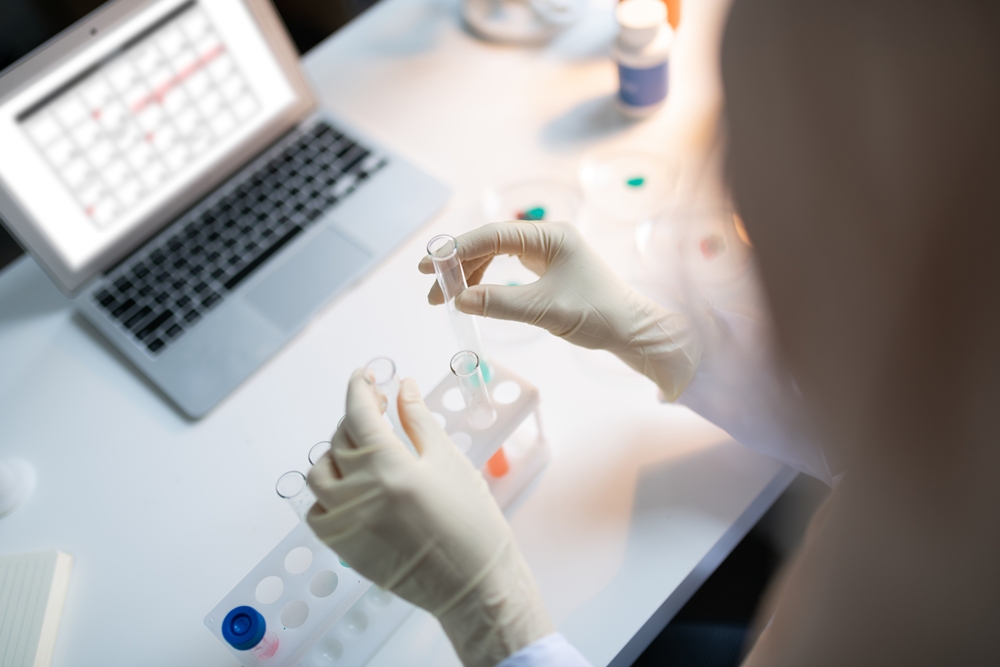
A small molecule may slow Parkinson's progression by blocking harmful protein clumping in the brain, early research suggests. The treatment, known as SK-129, was designed to stop a neuronal protein building up and spreading between brain cells, a process linked to Parkinson's and related conditions. Those conditions include Lewy body dementia and multiple system atrophy, [...]
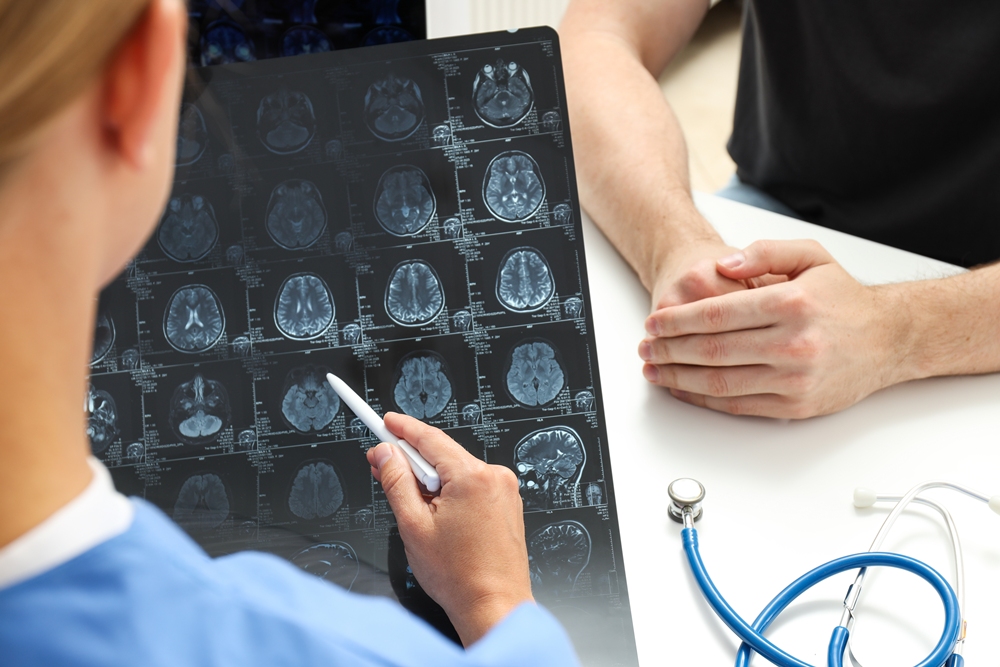
Distinct brain changes may help explain why some people with Parkinson's develop Parkinson's dementia while others do not. Researchers used detailed MRI scans to compare people with Parkinson's and dementia, people with Parkinson's but no dementia, and healthy controls. The findings suggest the brain changes linked to movement symptoms may be separate from those tied [...]

Gut microbes may help reveal Parkinson's risk years before symptoms appear, according to research. Researchers found signature changes in the gut microbiome, the community of bacteria living in the gut. The changes were more pronounced in people with a genetic risk of Parkinson's and more stark in those diagnosed with the disease. The signature could [...]

A new tool could improve Parkinson's diagnosis, helping doctors identify the disease faster and start treatment earlier. The Clinical Decision Support platform for Parkinson's Disease, or CDS-PD, uses machine learning, a form of AI that spots patterns in data, to support a physician's clinical decision-making in real time during a patient's visit with a Parkinson's [...]

Two Northumbria University researchers have won grants for Parkinson's disease and knee osteoarthritis projects in a £6.7m health research scheme. Dr Rodrigo Vitorio and Dr Justin Andrushko, both from Northumbria's School of Sport, Exercise and Rehabilitation, are among 55 early career scientists across the UK to receive funding from the Academy of Medical Sciences' Springboard [...]

No Doubt guitarist Tom Dumont has revealed his Parkinson's diagnosis after living with early-onset symptoms for a number of years. The musician told fans he is living with early-onset Parkinson's in a video filmed at his home, where he detailed how the disease has affected his life. "I went to my doctor.,I went to a [...]
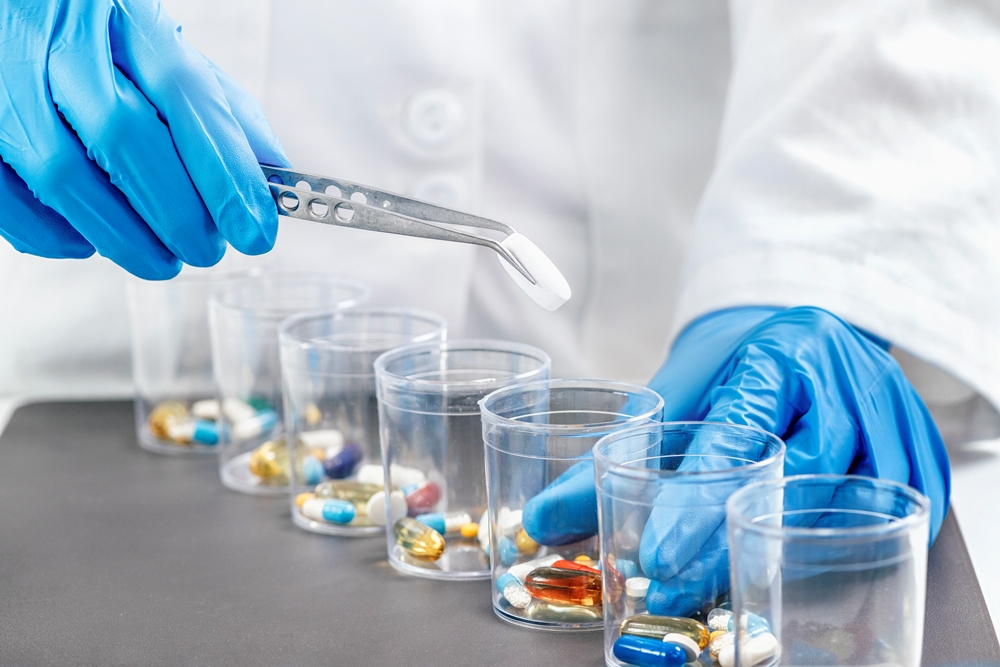
An early trial suggests a targeted Parkinson’s treatment could safely cut a key protein linked to the disease, though larger studies are still needed. The drug, known as BIIB094, targets LRRK2, the most common genetic contributor to Parkinson’s disease. Variants in LRRK2 are known to increase the risk of developing the neurodegenerative disorder, which affects [...]
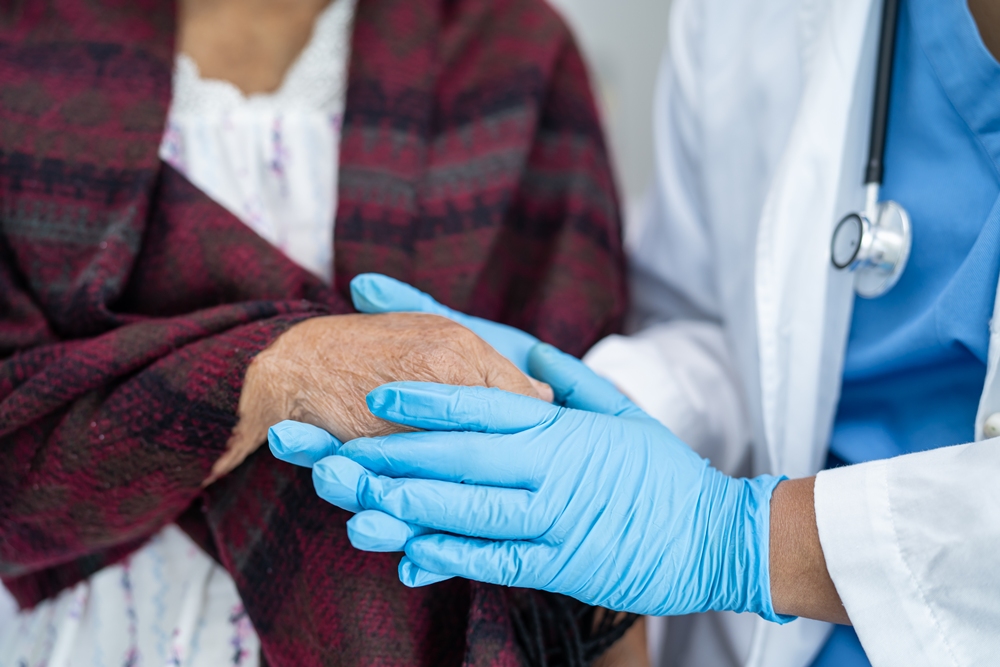
Cell therapy has eased Parkinson's motor symptoms in the first few participants in a clinical trial, according to new company data. The data also indicate the treatment appears safe and may restore lost nerve function, according to a company press release. Penelope Hallett, sponsor of the trial and co-director of Mass General Brigham's Neuroregeneration Research [...]


