



Research

By Chiltern Music Therapy for Neuro Rehab Times A six-month pilot of Neurologic Music Therapy® (NMT™) at British Home has delivered compelling results, highlighting the therapy’s effectiveness in supporting complex neurorehabilitation goals across physical, cognitive, psychological and communicative domains. The full-day NMT™ pilot involved 14 unique patients receiving both 1:1 and group sessions, with referrals [...]
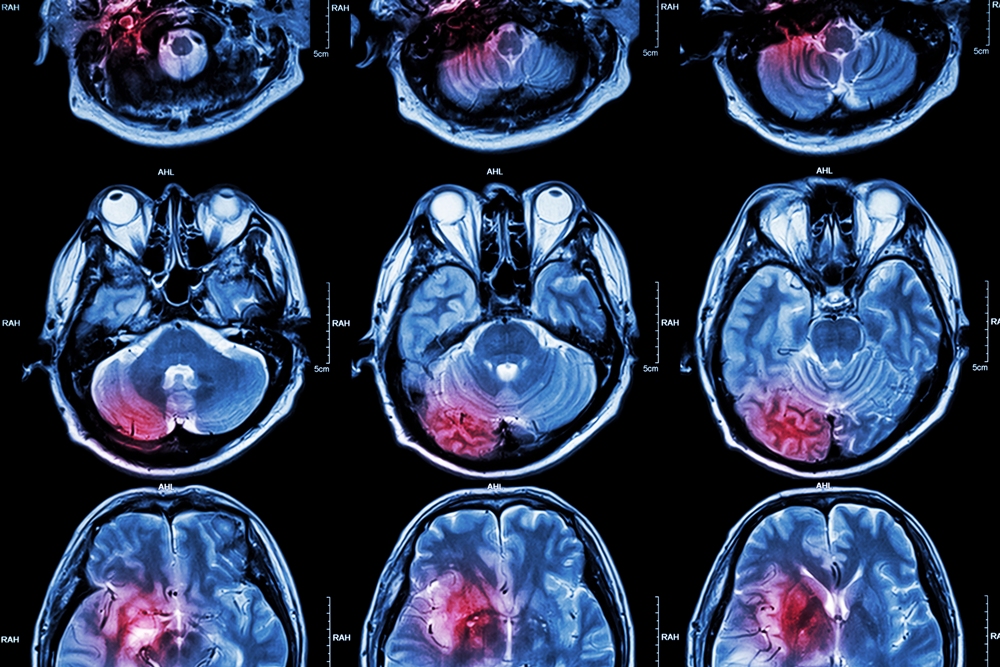
Drug discovery company TauGen has filed a US patent application for a new series of drug candidates targeting endoplasmic reticulum (ER) stress – a key factor in secondary brain injury following traumatic brain injury (TBI). The company, owned by the board of directors of CereMark Pharma, has developed a platform of molecules designed to address [...]
Researchers in Australia have developed a weekly injection for Parkinson’s disease that could replace the need for patients to take multiple daily pills. The treatment combines two key Parkinson’s drugs – levodopa and carbidopa – in a single injectable dose that releases gradually over seven days. After more than two years of research, the team [...]

A novel brain scanning technology that has created ‘neural fingerprints’ could enable early diagnosis of neurodegenerative conditions such as dementia. Stephanie Price speaks to Professor Matthew Brooks, chairman of Cerca Magnetics, which has developed the technology, to find out more. A spinout from the University of Nottingham, Cerca Magnetics has developed a lightweight, wearable Cerca [...]
Women are 11 per cent less likely than men to be correctly diagnosed with a stroke by emergency medical staff, new research has found. The gap in pre-hospital stroke recognition means many women miss early treatment opportunities. Researchers estimate equal diagnosis rates could give women an average of 51 additional days of life. The study, [...]

Artificial intelligence has been used to predict brain stimulation settings that could improve walking in people with Parkinson’s disease. Researchers at the University of California, San Francisco (UCSF), developed personalised algorithms to estimate which deep brain stimulation (DBS) settings would be most effective for each individual. In early tests, participants showed improvements in walking performance. [...]
Adding blood tests to existing calculators helps doctors more accurately identify which atrial fibrillation patients need stroke prevention medication, research has shown. Researchers at the University of Vermont developed an improved tool by incorporating blood test results that detect proteins associated with heart dysfunction, blood clotting and inflammation. These biological markers provide a more precise [...]

NR Times explores the latest developments in the world of neuro-rehabilitation. Study of killifish reveals how protein dysfunction develops in vertebrate brain cells, shedding light on cognitive decline A new study has shed light on diseases like Alzheimer’s, Parkinson’s, and ALS. Ageing and neurodegeneration are both known to disrupt the production of functional proteins in [...]

A new study is investigating whether a brain-controlled computer game can help stroke survivors recover movement in their arms. Participants will wear a wireless headset that records brain activity as they imagine moving their affected arm, with those signals used to control a computer game. The research, led by Queen’s University Belfast (QUB), is recruiting [...]

A new drug has cut brain damage by 60 per cent in mice when blood flow is restored after stroke, offering a potential way to improve recovery outcomes. Researchers at the University of Cambridge tested an experimental treatment, acidified disodium malonate (aDSM), in combination with mechanical thrombectomy – a procedure that removes clots from the [...]


