



Research
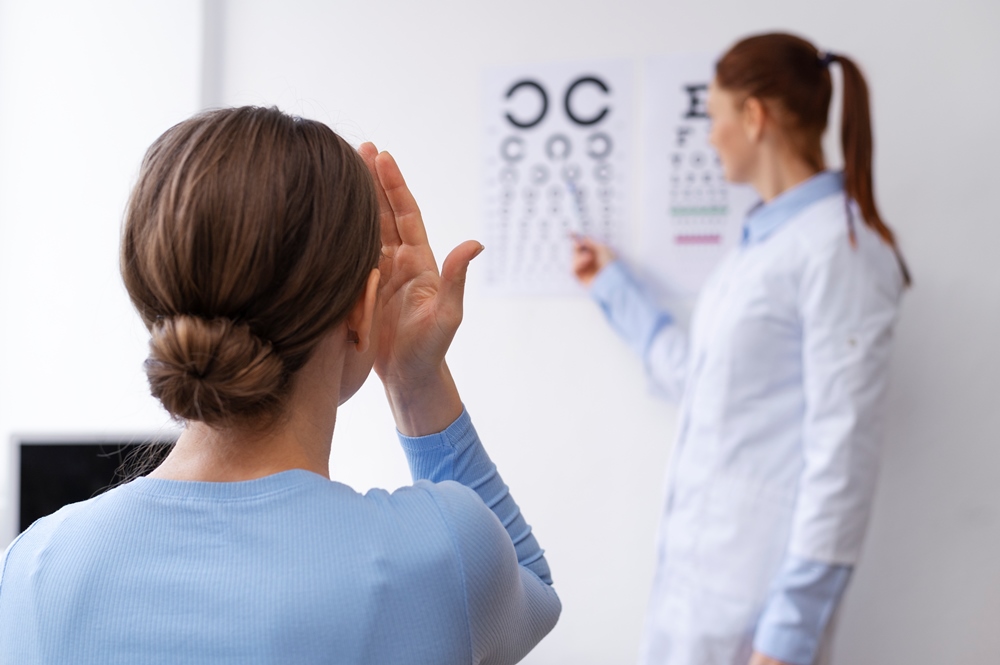
A high street eye scan may help predict someone’s risk of stroke or heart attack up to 10 years in advance, new research shows. The £20 scan uses artificial intelligence to analyse images of the back of the eye and spot signs linked to cardiovascular disease. Retinal imaging, which takes less than a minute, can [...]

Weight loss injections may cut dementia and stroke risk in people with type 2 diabetes and obesity, according to new global research. People taking the drugs were also 30 per cent less likely to die during the follow-up period. Known as GLP agonist drugs, they help regulate blood sugar and appetite by slowing digestion, reducing [...]

Insomnia may help explain why adults with ADHD traits often report a lower quality of life, new research has found. Adults with attention deficit hyperactivity disorder (ADHD) traits may experience reduced life satisfaction, with insomnia identified as a possible contributing factor. At least one in four people with ADHD report a sleep disorder, with insomnia [...]

A widely used sugar substitute may increase stroke risk by narrowing brain blood vessels and reducing the body’s ability to break down clots, researchers have warned. Erythritol, a sugar alcohol used in drinks and protein bars, was found to affect cells in ways that may encourage the formation of blood clots. Researchers at [...]

Australian researchers have found physical evidence of blast wave injury in the brain of a deceased veteran, marking the first such case identified in Australia. Warning: This story contains details of a suicide and may disturb some readers. The damage was discovered through post-mortem analysis of tissue donated to the Australian Veterans Brain Bank and [...]

Specialist treatment can delay the onset of stroke by up to five years in people with a rare inherited condition that causes early-onset strokes, a study has found. The findings come from the national CADASIL clinic at Addenbrooke's Hospital in Cambridge, which supports people suspected to have the condition and their families. CADASIL (cerebral autosomal [...]

Researchers are conducting the first-large scale trial of a device which could help people with Parkinson’s Disease to walk better. Over 200 people with Parkinson’s at eight sites around the UK will test the use of a Functional Electrical Simulation (FES) device, which is already used by people with Multiple Sclerosis (MS) and those who’ve [...]

A new federal initiative aims to restore brain function lost through stroke, traumatic brain injury or dementia by regenerating damaged brain tissue using stem cell technology. The programme focuses on the neocortex – the brain’s largest region responsible for movement, sensory processing and decision-making – long thought to be beyond repair once damaged. Launched by [...]

A team of Canadian researchers, guided by an Indigenous Elder, is creating trauma-informed and integrated care pathways specifically for survivors of intimate partner violence (IPV) with traumatic brain injury (TBI). The project aims to address long-standing gaps in services, particularly for Indigenous women, whose varied needs are often unmet in traditional Western healthcare settings. For [...]

A new study suggests a drug could support the brain’s own repair systems after traumatic injury, potentially addressing a major treatment gap. The compound, known as CMX-2043, appears to increase levels of antioxidant enzymes – proteins that help clear harmful molecules from the brain following trauma. There are currently no FDA-approved drugs that directly repair [...]


