



Research
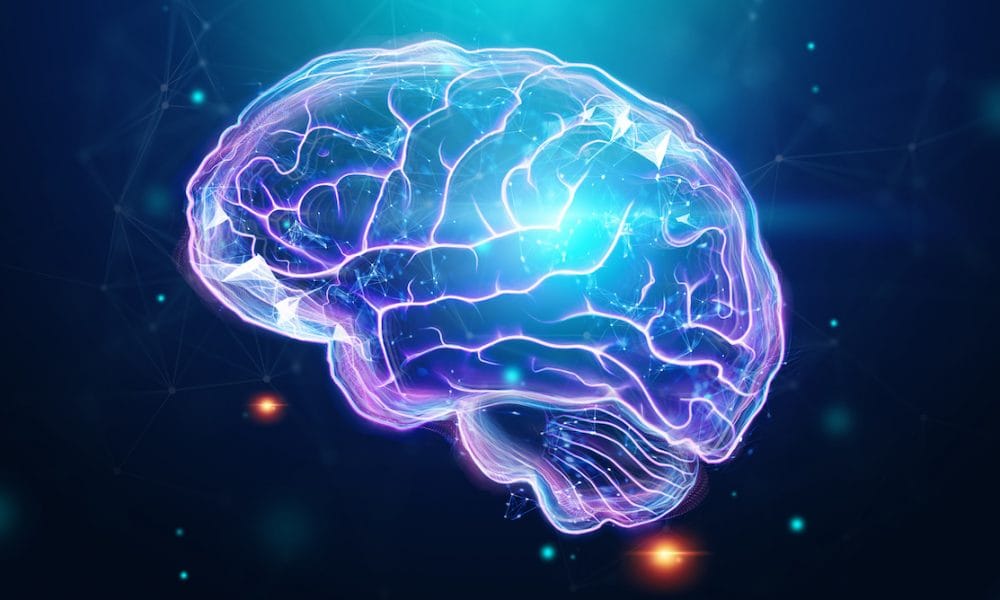
Deep brain stimulation could prevent epileptic seizures, a new study has found.
Research in mice has revealed that low-frequency stimulation of specific brain areas, using light rather than electric current, could completely stop epileptic activity. Traditionally, epileptic activity originating from one or more diseased brain regions in the temporal lobe is difficult to contain. Many patients with temporal lobe epilepsy often do not respond to treatment with anti-epileptic drugs, and the affected brain areas must therefore be surgically removed - although this only gives freedom from seizures to around a third of patients.
A gene linked to unusually long lifespans in humans protects brain stem cells from the harmful effects of stress, a new study has found.
Studies of humans who live longer than 100 years have shown that many share an unusual version of a gene called Forkhead box protein O3 (FOXO3). That discovery led Dr Jihye Paik, associate professor of pathology and laboratory medicine at Weill Cornell Medicine, and her colleagues to investigate how this gene contributes to brain health during ageing. In 2018, Dr Paik and her team showed that mice who lack the FOXO3 gene in their brain are unable to cope with stressful conditions in the brain, which leads to the progressive death of brain cells.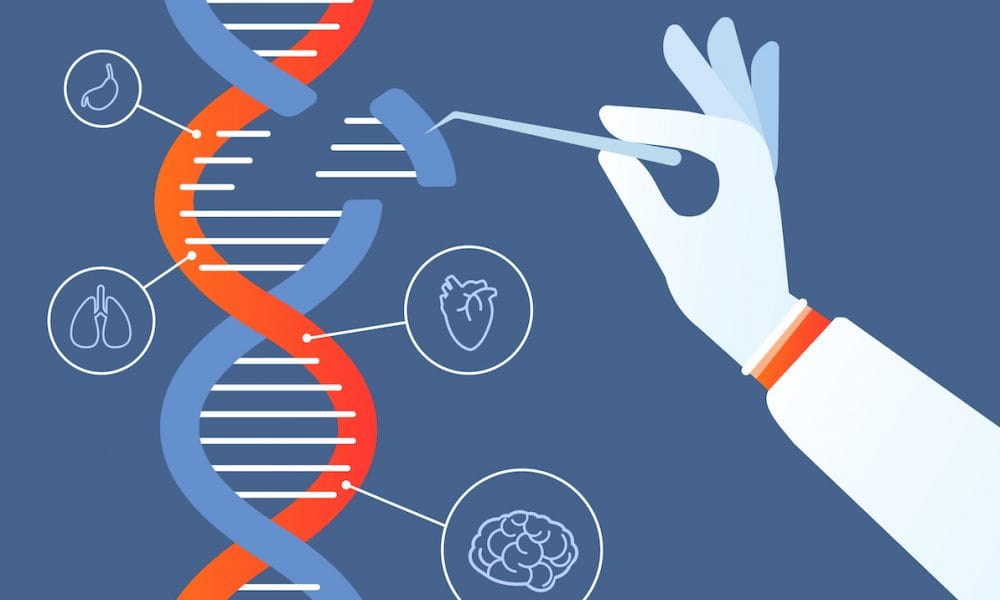
Offering routine genetic testing for Motor Neurone Disease (MND) could improve knowledge of disease classification and impact clinical care, new research has concluded.
Routine testing may be appropriate for all MND patients - whether or not they have a family history of the disease - and could impact disease sub-classification and clinical care, the findings of the Sheffield Institute for Translational Neuroscience (SITraN) study revealed. Currently only patients with a family history of MND, dementia, or who experience disease onset at a young age are routinely offered genetic screenings in the UK.
Traumatic or stressful events in childhood may lead to tiny changes in key brain structures which can be identified decades later, new research has concluded.
The study is the first to show that trauma or abuse during a child's early years - a well-known risk factor for developing mental health conditions such as major depressive disorder in adulthood - triggers changes in specific subregions of the amygdala and the hippocampus. Once these changes occur, researchers from the University of Alberta believe the affected regions of the brain may not function as well, potentially increasing the risk of developing mental health disorders as adults during times of stress.
Blood pressure can be controlled without drugs after spinal cord injury, new research has revealed.
Spinal cord stimulators can bridge the body’s autonomous regulation system, controlling blood pressure without medication, the study found. Led by Dr Aaron Phillips at the University of Calgary's Cumming School of Medicine (CSM) and Grégoire Courtine, from the Swiss Federal Institute of Technology (EPFL), the study has been hailed as having “life-changing” consequences for people with spinal cord injury.
The effect of medication Tysabri on cognitive fatigue in people with multiple sclerosis (MS) is to be analysed in a new research study.
The study will look at how the medication, also known as natalizumab, impacts cognitive fatigue in individuals with relapsing and remitting MS. Most people living with MS report symptoms of cognitive fatigue, which can adversely affect their ability to perform activities in their everyday lives. Statistics show that over 40 per cent consider such fatigue their most troubling symptom.
The types of nerve cells which are lost through developing Multiple Sclerosis (MS) have been identified for the first time, in a breakthrough which could yield the development of new nerve-protecting treatments.
In a new study, researchers found that the inhibitory interneurons are lost in people who have MS. Previously, it was only known that myelin, the protective coating around nerves, is damaged in MS - but pinpointing the selective loss of specific nerve cells has now been established. The research, from the MS Society Edinburgh Centre for MS Research, could now lead to steps forward in the development of treatments to help protect the nerves most at risk.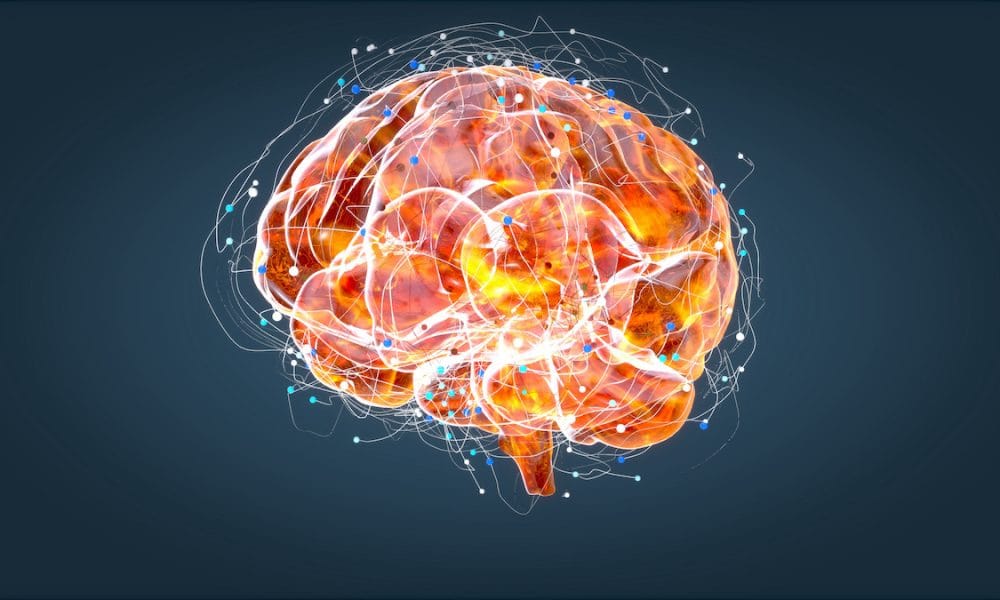
Brain cells vulnerable to Alzheimer’s Disease have been identified for the first time, in a breakthrough scientists hope could lead to targeted treatments to boost the brain’s resilience.
It has so far remained unknown in Alzheimer’s research why some brain cells succumb to the disease years before symptoms first appear, while others seem unaffected by the degeneration surrounding them until the disease’s final stages. Now, in a groundbreaking study, the neurons that are among the first victims of the disease - accumulating toxic ‘tangles’ and dying off earlier than neighbouring cells - have been identified for the first time.
Arm and hand function could be regained following spinal cord injury through new pioneering research
Treatment could be developed for arm and hand dysfunction in people living with spinal cord injury through a pioneering new research project.
A pilot study of new therapy for improving upper extremity function is now underway, following funding from BrainQ Technologies - an Israel-based startup which is working widely in precision medicine to reduce disability following neurodisorders - to the Kessler Foundation. The study is titled ‘The safety and effectiveness of the use of a brain-computer interface-based electromagnetic field treatment in the management of patients with chronic spinal cord injury: A pilot study’ and is seen as a potentially significant breakthrough in researching possible treatment.
Healthy children who contract COVID-19 can have severe neurological complications, new research has revealed.
Thirty-eight children from eight countries were found to have brain and/or spinal cord abnormalities. The children, who all had MRI scans, presented with symptoms including fever, reduced consciousness, problems moving their arms and legs and cognitive dysfunction. Most of the children (32) had either recovered (26) or were on their way to recovery (6). Eight did not display the respiratory symptoms commonly seen in patients with the virus.


