




Research

Researchers at the University of California San Diego have identified new mechanisms in neurons that cause Alzheimer's disease.
In particular, they discovered that changes in the structure of chromatin, the tightly coiled form of DNA, trigger neurons to lose their specialised function and revert to an earlier cell state. This results in the loss of synaptic connections, an effect associated with memory loss and dementia. The study was founded on the question: how do neurons in patients with Alzheimer's disease differ from neurons in healthy individuals?
The loss of oligodendrocytes (OLs) - highly specialised cells of the brain that produce myelin, an essential structure enabling an efficient transmission of electrical signals and the support of neural activity - is a frequent condition in patients suffering neurodegenerative diseases.
Researchers of the Department of Cellular Biology, Genetics and Physiology of the University of Malaga (UMA) have succeeded in generating human OLs from pluripotent stem cells derived from patients with nervous system diseases, specifically multiple sclerosis or ALS.
Preventing heart attacks and strokes in type 2 diabetes patients managed in primary care should be an urgent priority, concludes a new study.
"The most striking result of our study was that the vast majority of patients (93%) had a high or very high risk of fatal events within a decade. Half of patients in the very high-risk group had no history of heart disease, meaning they would not be receiving medications to prevent heart attacks and strokes," said study author Dr. Manel Mata-Cases, a general practitioner for the Catalan Institute of Health.
What happens in our brain that makes us experience the sweet taste of a donut or the bitter taste of tonic water? What are the patterns of neural activity responsible for the perception of taste?
A new study from Stony Brook University found that the map of neural responses mediating taste perception does not involve, as previously believed, specialized groups of neurons in the brain, but rather overlapping and spatially distributed populations. The findings, to be published in Current Biology, counter an influential but controversial theory based on studies suggesting that there is a topographic map in the gustatory cortex that is responsible for our perception of taste. According to this theory, the gustatory cortex has "hot spots" of neurons whose activation leads to the perception of certain tastes. The new study by Stony Brook researchers demonstrates such a simple map of taste does not exist in the cortex of behaving animals.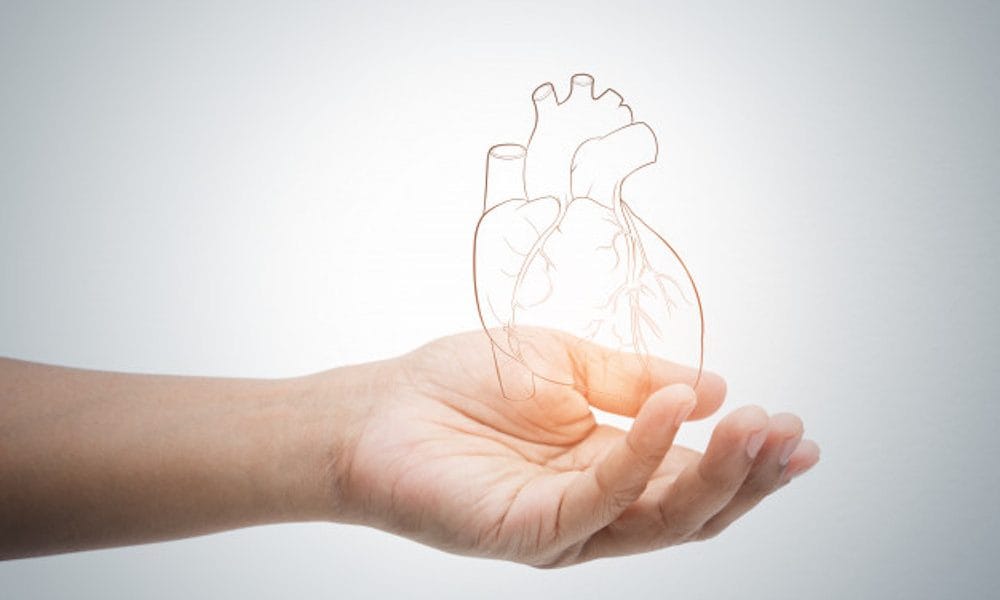
Research on a genetic heart disease has uncovered a new and unexpected mechanism for heart failure. This landmark discovery found a correlation between the clumping of RNA-binding proteins ― long linked to neurodegenerative disease ― and the aggregates of protein found in the heart tissue of patients with RBM20 dilated cardiomyopathy.
Dilated cardiomyopathy is a disease of the heart muscle that makes it harder for the heart to pump blood to the rest of the body. A decade ago, Timothy Olson, M.D., a pediatric cardiologist at Mayo Clinic, traced the disease to a genetic mutation in a gene called RBM20. Unlike most heart disease, this form of cardiomyopathy can affect patients as early as young adulthood, and they are at particularly high risk for sudden cardiac death.
The incidence of dementia in patients with rheumatoid arthritis is lower in patients receiving biologic or targeted synthetic disease modifying antirheumatic drugs (DMARDs) than in patients who receive conventional synthetic DMARDs, according to a new study. The study was presented at the virtual annual meeting of the American College of Rheumatology.
"Being on a biologic or targeted synthetic DMARD actually decreased your risk of incidence of dementia by 17% compared to patients who were on a conventional synthetic DMARD only," said lead study author Sebastian Sattui, a rheumatology fellow at Hospital for Special Surgery (HSS) in New York City. The study was done in collaboration with investigators from Weill Cornell Medicine and the University of Alabama at Birmingham.
Neural stem and progenitor cell diversity in brain development may contribute to cortical complexity
Stem and progenitor cells exhibit diversity in early brain development that likely contributes to later neural complexity in the adult cerebral cortex, a study suggests.
Researchers from the Center for Neuroscience Research (CNR) at Children's National Hospital say this research expands on existing ideas about brain development, and could significantly impact the clinical care of neurodevelopment diseases in the future. the study was done in collaboration with a research team at Yale University led by Nenad Sestani.
One of the main natural components of ayahuasca tea is dimethyltryptamine (DMT), which promotes neurogenesis - the formation of new neurons - according to research led by the Complutense University of Madrid (UCM).
In addition to neurons, the infusion used for shamanic purposes also induces the formation of other neural cells such as astrocytes and oligodendrocytes. "This capacity to modulate brain plasticity suggests that it has great therapeutic potential for a wide range of psychiatric and neurological disorders, including neurodegenerative diseases", researchers say. The study, published in Translational Psychiatry, a Nature Research journal, reports the results of four years of in vitro and in vivo experimentation on mice, demonstrating that these exhibit "a greater cognitive capacity when treated with this substance".
Phantom-limb pain is as mysterious as its name implies. The vast majority of amputees experience "phantom-limb" sensations that make them feel their missing limb is still part of their body. The cause is still unknown, and 50% to 80% of the cases, the sensations are painful. With no established treatments or medication, phantom-limb pain can have a large impact on the quality of life and recovery for amputees.
Although the cause is unknown, one theory is that it happens when areas of the brain that used to control the amputated limb remain strongly connected to the mental image of the limb. To weaken this connection, one idea is to train the brain regions that control the intact limb to also control the phantom limb.
People with multiple depressive symptoms have an increased risk for stroke, according to findings recently published in Neurology: Clinical Practice.
The collaborative study led by investigators at the University of Alabama at Birmingham and the University of Alabamashowed that individuals who scored higher on a test designed to measure depressive symptoms had a higher stroke risk than those with lower scores. The study involved 9,529 black and 14,516 white stroke-free participants, age 45 and older, enrolled in the UAB-led REGARDS study. REGARDS is a national, population-based longitudinal study designed to examine risk factors associated with racial and regional disparities in stroke incidence and mortality.


