




Spinal injury

NR Times updates on the latest breakthroughs in spinal cord injury treatments and approaches.
According to the World Health Organisation, between 250,000 and 500,000 people suffer from spinal cord injury every year; the majority are due to preventable causes such as road traffic crashes, falls or violence. For most patients, SCI results in permanent disability and there is no known way to reverse damage to the spinal cord. However, researchers are continually working on new treatments, including prostheses, wearables and medications, which may promote regeneration of nerve cells or improve the function of the nerves that remain after an SCI. In recent months, developments in electrical spinal stimulation, AI-enabled tech, orally available drugs and gene therapy are offering a vision of a future with better treatments for patients suffering from spinal cord injury.
Matt Brown, litigation nurse at Slater and Gordon, discusses patient empowerment

In the second of a two-part piece, Harvey Sihota tells us more about the pioneering Neurokinex service

Anne shares her story of how a lack of recognition of the condition has left her with lifelong consequences

Two research projects to treat urinary tract infection (UTI) in people with spinal cord injury (SCI) have been backed by £300,000 in funding. Stoke Mandeville Spinal Research (SMSR) has committed to fund the projects, which could have “life changing” implications for people living with SCI. The first project will see researchers from the Royal Berkshire Hospital, Reading, undertake a three-year study of Uromone, a new vaccine which has been developed to prevent bladder infections.

Six expert panellists recently came together to discuss the future of spinal injury care in an exclusive NR Times webinar. The debate was the second in a new series of roundtable discussions tackling the big issues in rehab. The virtual event addressed many of the key issues facing patients and spinal care professionals, striking an [...]
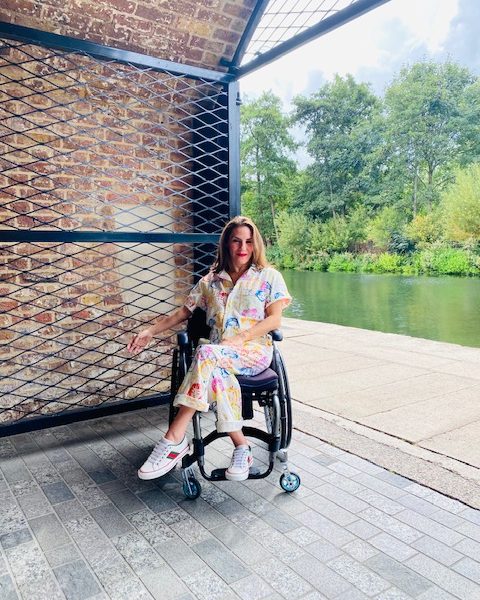
After a rare spinal cord stroke which left her paralysed, Sophie Shane now relies on a wheelchair to retain her fiercely-guarded independence. But in a society which still has much to do to be disability friendly, Sophie continues to experience many challenges along the way Here, Sophie shares some insights with her trademark searing honesty, as well as her hopes for greater awareness around disability and to remove the taboos around being in a wheelchair Five years ago, I had a spinal cord stroke. It’s a very rare form of stroke where a blood clot essentially passes through your spine, and has left me paralysed and in a wheelchair. This is my reality and this is my life...

Spinal Cord Injury Awareness Day reinforces message of This is Serious Sh1t campaign
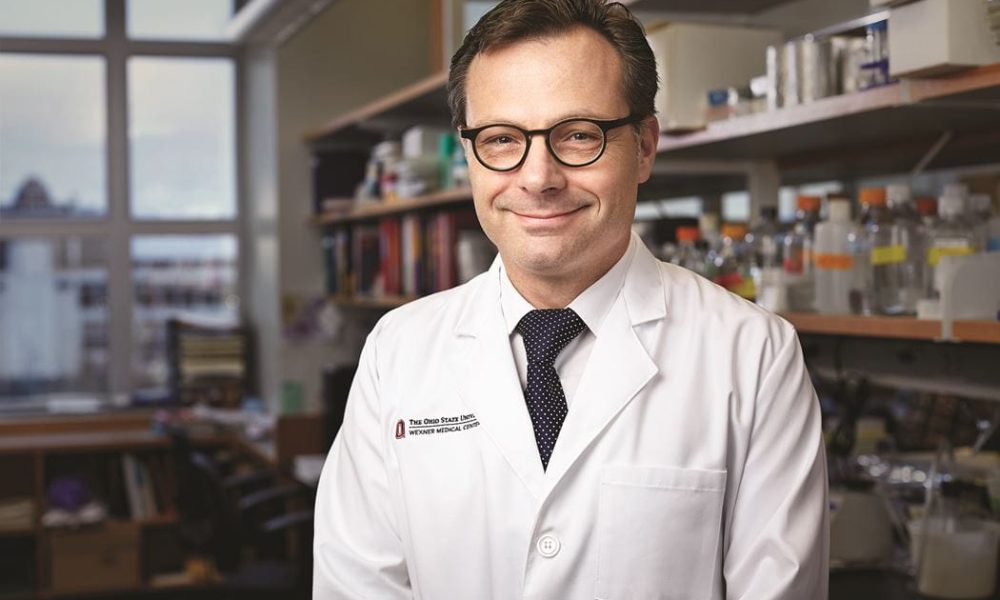
'We know about antibody-mediated autoimmune syndromes developing in patients with cancer - but that it can also occur in patients after SCI is striking'

Dr James Piers discusses why difficulties faced by those with SCI reach far beyond physical limitations


