



Stroke
Stroke care, recovery and rehabilitation.
 Stroke3 Jul
By Alison Johnson, clinical negligence partner, Penningtons Manches Cooper Every five minutes someone suffers a stroke in the UK. It is a shocking statistic, especially when strokes can happen very quickly, without warning and can affect children as well as older people. Even when someone receives good medical care and survives a stroke brain injury, [...]
 Stroke2 Jul
We share the story of Joginder Thethi, who spent three months at the state-of-the-art Circle Rehabilitation Centre in Birmingham to recover from a series of severe health issues. Joginder Thethi is a 68-year-old gardening fanatic from Sutton Coldfield. He spent three months with Circle Rehabilitation (Rehab), recovering from a series of traumatic medical issues, including [...]
 Stroke1 Jul
Complaints and investigations into poor stroke care in the NHS have risen significantly, with the health ombudsman reporting a two-thirds increase in formal investigations over four years. Between March 2021 and March 2025, the number of investigations into stroke-related care rose from 17 to 28, according to the Parliamentary and Health Service Ombudsman. The watchdog [...]
 Stroke27 Jun
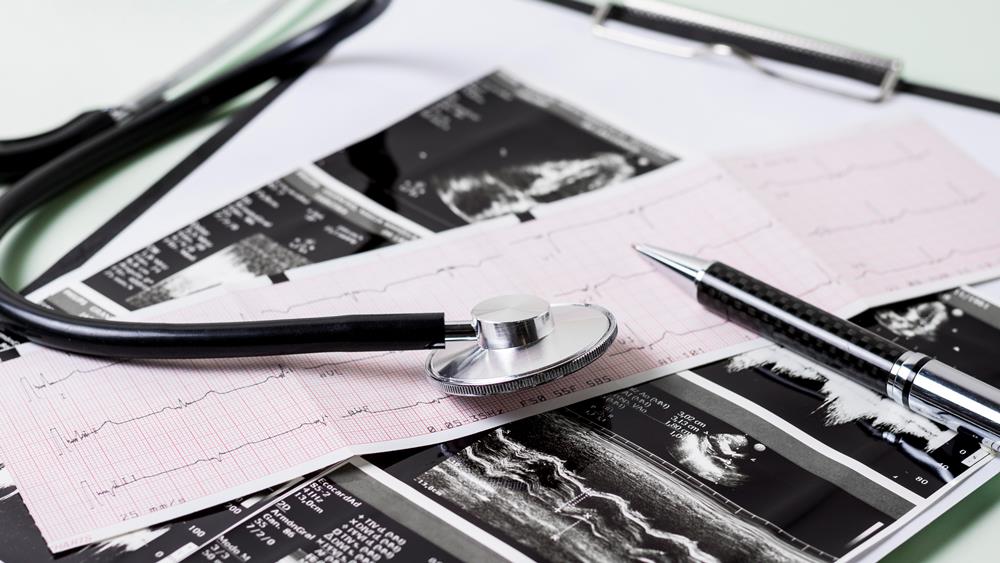
One in five former elite rowers develops atrial fibrillation, a heart rhythm disorder that can raise stroke risk, despite having fewer traditional risk factors. A study of 121 retired Australian rowers, including Olympians, found they were nearly seven times more likely to develop atrial fibrillation (AFib) than the general population. The research was led by [...]
 Stroke25 Jun
Women who experience pregnancy complications face a higher risk of stroke in the decades after giving birth, new research shows. The study, which tracked more than two million women over 40 years, found greater stroke risk among those who had high blood pressure or diabetes during pregnancy, a preterm birth, or a baby with low [...]
 Stroke23 Jun
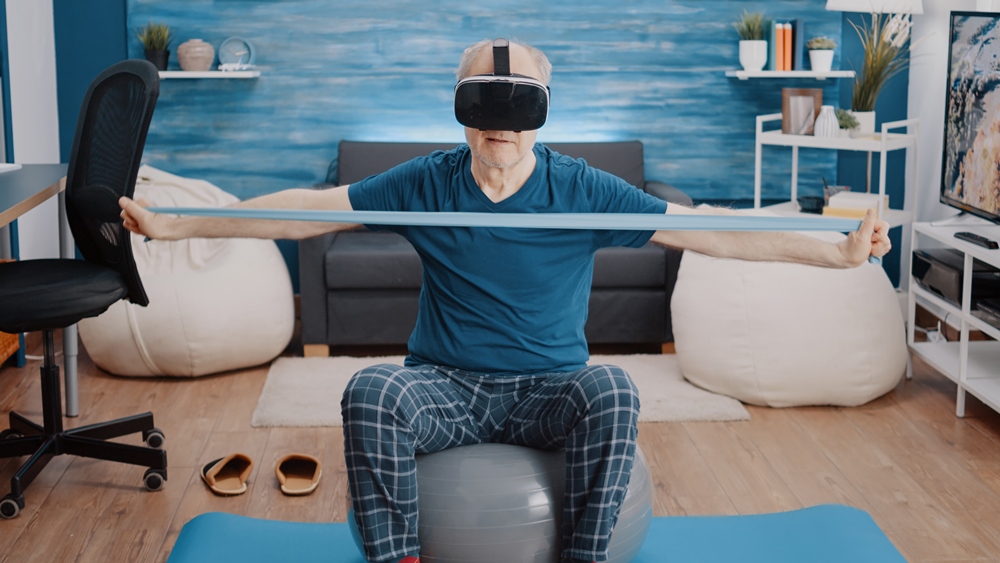
Virtual reality used alongside standard therapy may help stroke survivors regain arm function, a major new analysis suggests. The updated review, which draws on data from 190 trials involving 7,188 people, suggests VR could be a promising rehabilitation tool—particularly by increasing the amount of therapy patients receive without needing constant supervision from clinicians. This is [...]
 Stroke16 Jun
Researchers say new insights into blood flow patterns could explain why some heart failure patients with implanted pumps are more likely to suffer strokes. Left ventricular assist devices (LVADs) – mechanical pumps used when the heart can no longer circulate blood effectively – are often the final treatment option for people with advanced heart failure. [...]
 Stroke16 Jun
A class of drugs currently used to treat cancer may also help stroke patients recover by protecting neurons and limiting damage following a stroke. Known as HDACi (histone deacetylase inhibitors), these drugs work by altering gene expression in microglia – the brain’s immune cells – following stroke. Instead of driving damaging inflammation, HDACi appear to [...]
 Stroke10 Jun
Teenagers who stick to consistent sleep schedules and maintain quality sleep habits are more likely to show better cardiovascular health in early adulthood, new research has found. The study followed 15-year-olds who went to bed and woke up earlier, spent less time lying awake in bed, and had less variability in their sleep routines. By [...]
 Stroke9 Jun
Stroke survivors and budding singers from across Northern Ireland raised their voice in a pop-up choir on 4th June to raise funds for the Stroke Association. Around 70 people came together in the Oh Yeah Centre in Belfast to learn and record a song in just 90 minutes as part of the Stroke Association’s new [...]


