



Stroke
Stroke care, recovery and rehabilitation.
 Stroke17 Jul
Weight loss injections may cut dementia and stroke risk in people with type 2 diabetes and obesity, according to new global research. People taking the drugs were also 30 per cent less likely to die during the follow-up period. Known as GLP agonist drugs, they help regulate blood sugar and appetite by slowing digestion, reducing [...]
 Stroke16 Jul
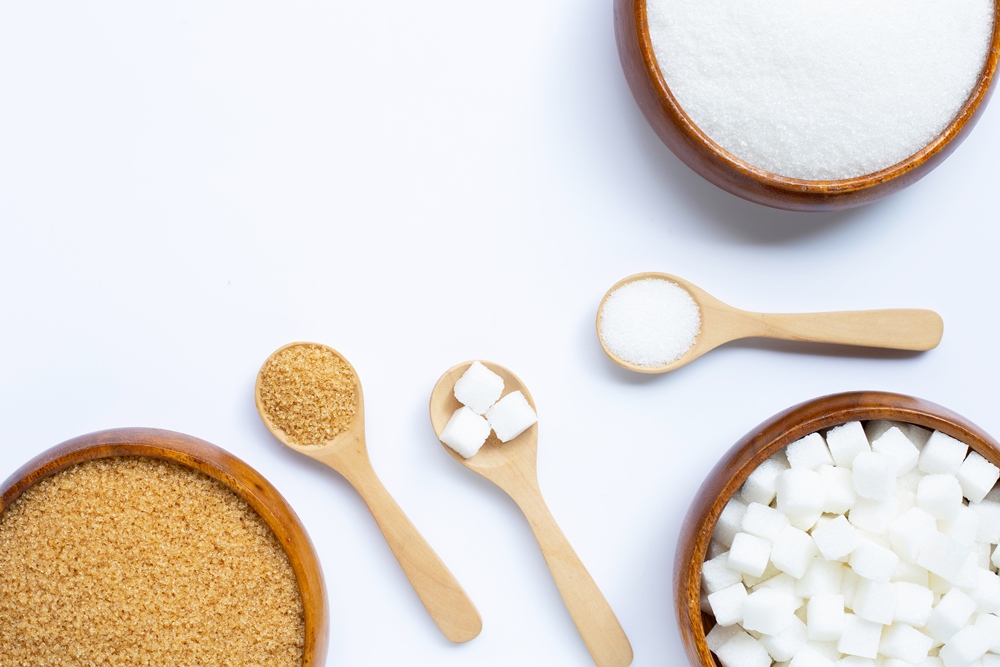
A widely used sugar substitute may increase stroke risk by narrowing brain blood vessels and reducing the body’s ability to break down clots, researchers have warned. Erythritol, a sugar alcohol used in drinks and protein bars, was found to affect cells in ways that may encourage the formation of blood clots. Researchers at [...]
 Stroke16 Jul
David suffered a brain stem stroke on June 20th, 2022. He was initially admitted to Heartlands Hospital, then transferred to Queen Elizabeth Hospital for neurosurgery and a stay in the ICU, before returning to Heartlands. Over the following four months, David faced multiple infections, became severely unwell, and had very limited rehabilitation while remaining mostly [...]
 Stroke15 Jul
Specialist treatment can delay the onset of stroke by up to five years in people with a rare inherited condition that causes early-onset strokes, a study has found. The findings come from the national CADASIL clinic at Addenbrooke's Hospital in Cambridge, which supports people suspected to have the condition and their families. CADASIL (cerebral autosomal [...]
 Stroke11 Jul
A new federal initiative aims to restore brain function lost through stroke, traumatic brain injury or dementia by regenerating damaged brain tissue using stem cell technology. The programme focuses on the neocortex – the brain’s largest region responsible for movement, sensory processing and decision-making – long thought to be beyond repair once damaged. Launched by [...]
 Stroke11 Jul
On January 26th, 2024, Anthony experienced a stroke that affected the right side of his brain, resulting in full paralysis on the left side of his body. At the time, he could only move two or three fingers on his right hand. The sudden loss of independence was a life-altering moment for him. Since arriving [...]
 Stroke10 Jul
I was a local policeman around here a few years ago, but since I retired I’ve done various jobs. Most recently I delivered new cars and vans around the country, then I’d jump on the train back before going to the next place. So I was doing that during the week in June 2024 when [...]
 Stroke9 Jul
People who have a stroke are more likely to die within a year if they live in more deprived areas according to new research. Researchers analysed data from almost 50,000 patients recorded in the Scottish Stroke Care Audit (SSCA). The scientists looked at multiple outcomes after stroke including death from any cause within a year [...]
 Stroke7 Jul
NR Times explores the latest research developments in the world of neuro rehabilitation. Four key pathways to Alzheimer’s disease mapped by researchers Four distinct pathways that lead to Alzheimer's disease have been identified by researchers, offering new insights into how the condition develops over time rather than from isolated risk factors. The pathways [...]
 Stroke7 Jul
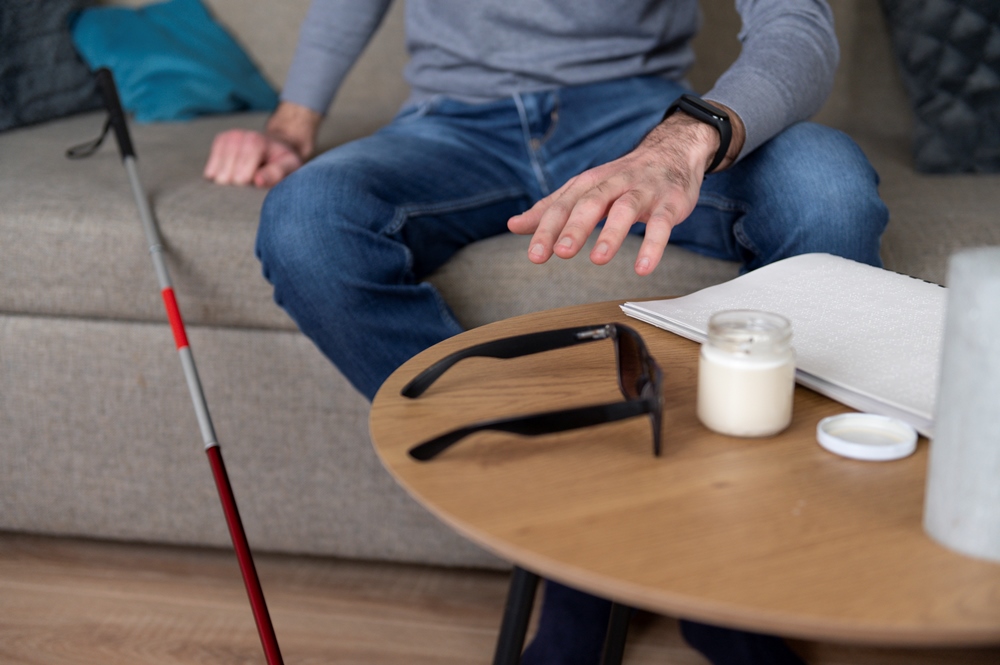
A special in-person community event for young stroke survivors will take place in Scotland this September, led by two national charities. Chest Heart & Stroke Scotland (CHSS) and Different Strokes will co-host Life After Stroke: Identity, Experience and Insight on Saturday 20 September at Glasgow’s Studio Conference Centre on Hope Street. The event aims to [...]


