



Stroke
Stroke care, recovery and rehabilitation.
 Stroke4 Aug
A new drug has cut brain damage by 60 per cent in mice when blood flow is restored after stroke, offering a potential way to improve recovery outcomes. Researchers at the University of Cambridge tested an experimental treatment, acidified disodium malonate (aDSM), in combination with mechanical thrombectomy – a procedure that removes clots from the [...]
 Stroke1 Aug
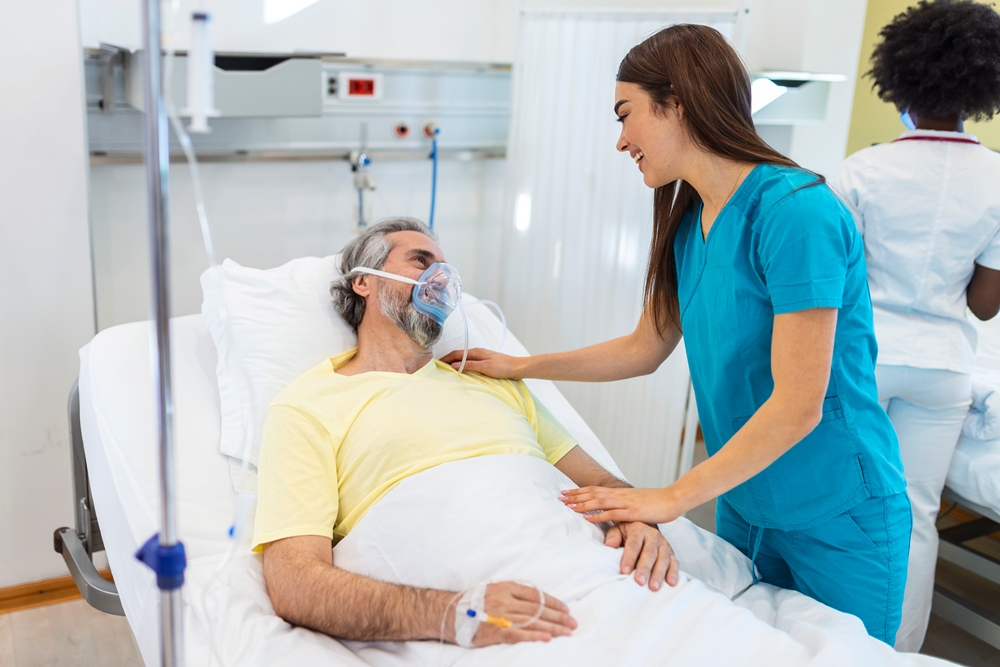
A new treatment tested in mice could help limit brain damage caused when blood flow is restored after a stroke. Researchers are investigating how acidified disodium malonate (aDSM) may reduce injury caused by the sudden return of oxygen-rich blood to brain tissue after clot removal. Fewer than one in 10 stroke patients currently leave hospital [...]
 Stroke31 Jul
Researchers developing health tracker which uses body to accurately track movements
 Stroke28 Jul
Dutch medtech company TrianecT has raised €1.35m to bring its ambulance-based stroke detection device, StrokePointer, to market. The portable system allows paramedics to assess stroke severity on scene and direct patients to centres equipped for specialist treatment. Stroke affects one in four people over 25 and accounts for a third of global healthcare costs. [...]
 Brain injury24 Jul
Visual auras following catheter ablation may signal brain injury, with new research linking symptoms to small lesions in brain regions responsible for vision. The study found that patients who experienced migraine-like visual effects—such as flickering lights, flashes or blind spots—one month after undergoing catheter ablation for ventricular arrhythmias were more likely to have brain lesions [...]
 Stroke23 Jul
A new drug, GAI-17, has reduced brain cell death and paralysis in mice after stroke, even when given six hours after onset. Researchers found the compound blocks a protein linked to cell death, suggesting it may extend the treatment window for stroke and reduce long-term damage. The team, based at Osaka Metropolitan University in Japan, [...]
 Stroke22 Jul
The Stroke Association has deleted a series of social media posts and apologised after criticism from beneficiaries and other users over jokes about a viral video. On Friday, the charity joined other social media accounts in commenting on footage showing two people looking embarrassed after hugging at a Coldplay concert, with posts referencing rumours of [...]
 Stroke21 Jul
A new "orange" ambulance category will be introduced in Wales this winter to improve emergency care for stroke patients currently grouped within broader amber calls. Under the new system, specialist nurses and paramedics will screen 999 calls to identify patients with stroke or STEMI heart attacks—where blood flow to the heart is completely blocked—who need [...]
 Stroke18 Jul
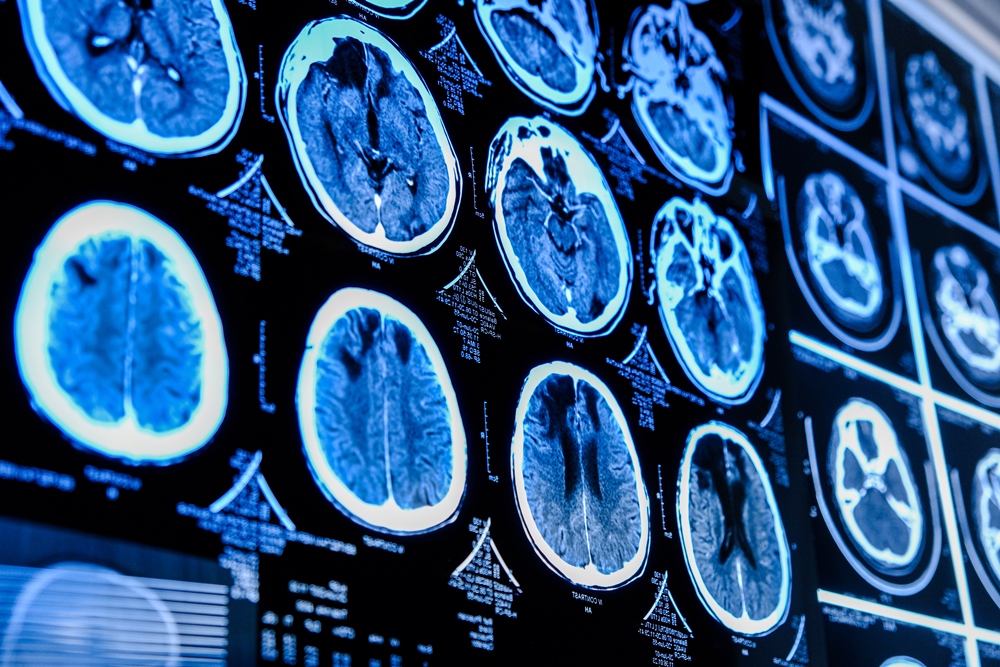
A new research centre receiving up to £50m over 14 years will develop brain stimulation devices to treat Parkinson’s, dementia, stroke and childhood epilepsy. The Medical Research Council Centre of Research Excellence (CoRE) in Restorative Neural Dynamics will explore how patterns of brain activity relate to behaviour and contribute to neurological disorders. Researchers aim to [...]
 Stroke17 Jul
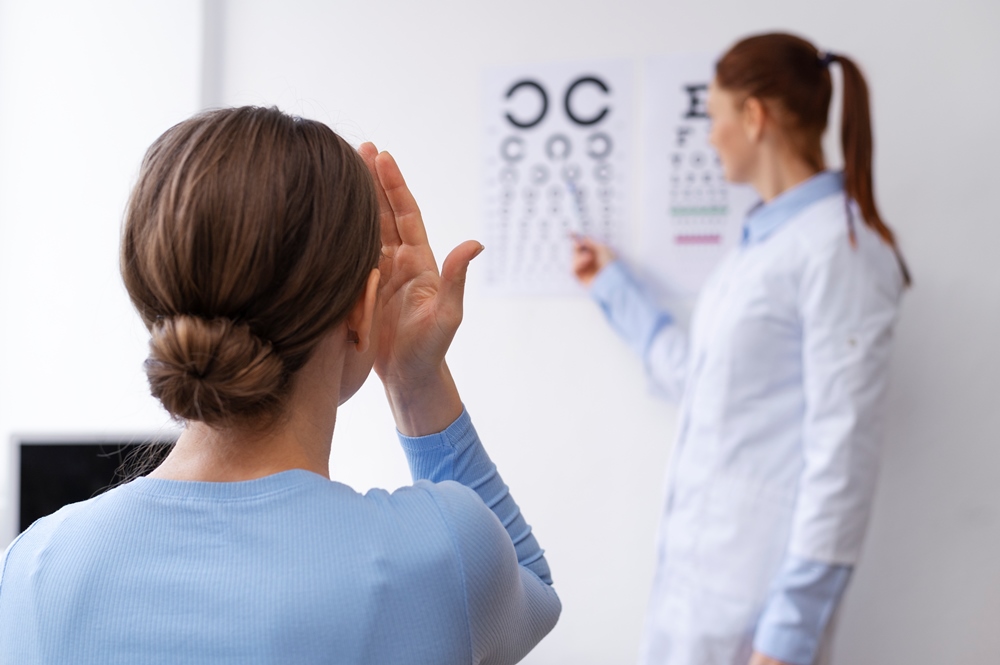
A high street eye scan may help predict someone’s risk of stroke or heart attack up to 10 years in advance, new research shows. The £20 scan uses artificial intelligence to analyse images of the back of the eye and spot signs linked to cardiovascular disease. Retinal imaging, which takes less than a minute, can [...]


