



Stroke
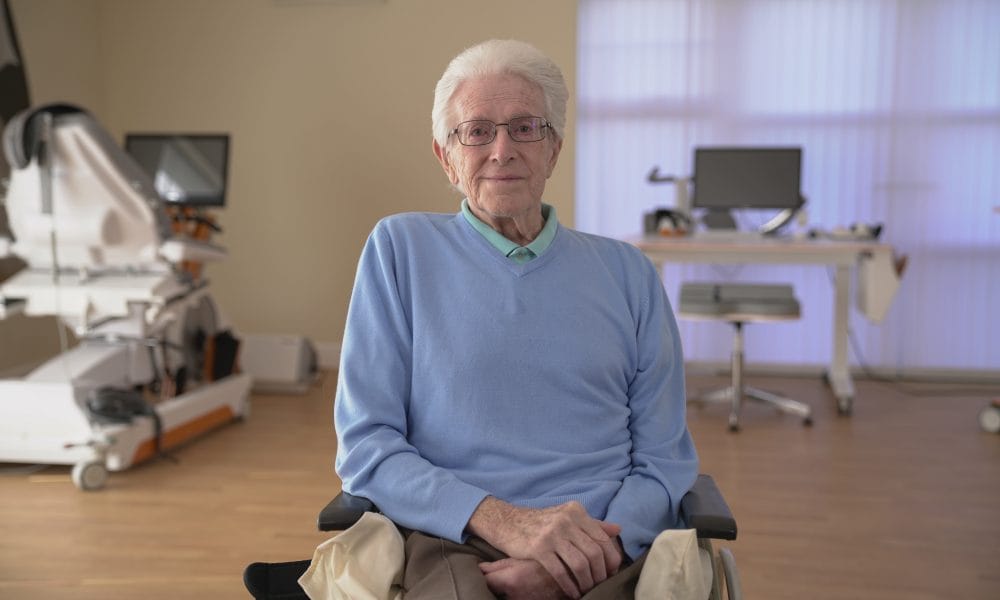
After 88-year-old Philip Haines had a stroke and lost mobility in his left side, his bespoke rehabilitation enabled him to regain his independence. Here, to mark Stroke Awareness Month, he shares his story of recovery
“I’ll be forever grateful.” For 88-year-old Philip Haines, who lost mobility in his left side following a stroke, his thanks to those who helped him regain it are limitless. Philip, former secretary to the Anglican Diocese of Peterborough, admits being “hit for six” after his stroke, which was caused by a blood clot in his brain. His cerebral infarct left him with dense left hemiplegia, meaning he was unable to move his left arm and leg. While the blood clot was successfully removed, the stroke left Philip with cognitive challenges and difficulty in swallowing.
There are more than 100,000 new incidences of strokes in the UK each year - that is around one stroke every five minutes. 1.2 million people in the UK live with the after effects of stroke every day, making stroke one of the most resource-intensive indications faced by the NHS today, and a huge challenge for many years to come. The NHS and social care costs of stroke are around £1.7 billion a year in England. Therefore, stroke inevitably demands medical and therapy solutions founded on sound scientific principles, such as those provided by Ottobock.
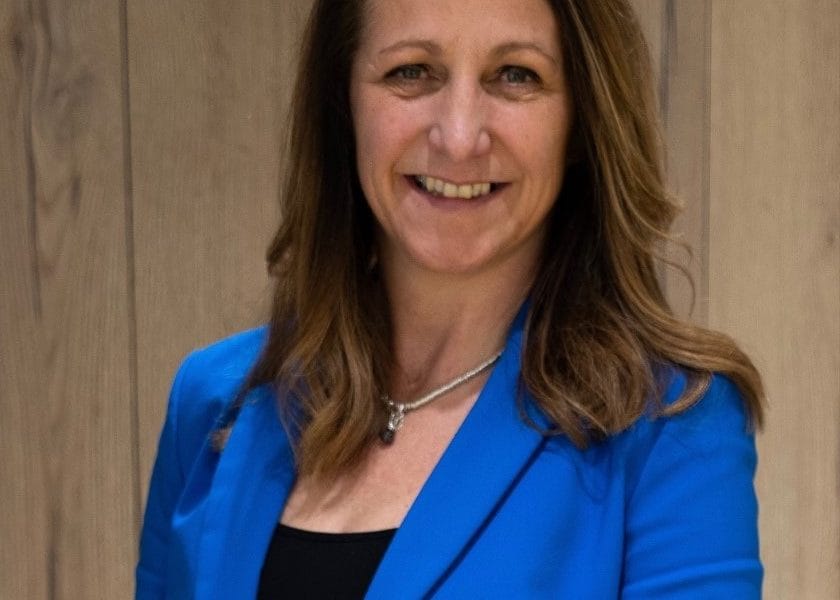
After a life-changing event such as a stroke or the onset of most neurological, orthopaedic and paediatric conditions, physical rehabilitation is key to people restoring their quality of life.
In the hospital setting, individuals should receive gold standard rehab treatment required to allow them to be discharged. But upon returning home, they are faced with the harsh reality of, largely, learning to look after themselves and the challenges that come with it, along with readjusting to maintain central aspects of their lives before their stroke, such as relationships, finances, careers and other responsibilities.
The East of England Stroke Telemedicine Partnership has been delivering consultant expertise to the bedside of stroke patients for a decade. NR Times reports on its learnings and successes at a time when healthcare teams across the world are looking for guidance in telemedicine.
The Covid-19 pandemic has raised the profile of telemedicine in the NHS; but the idea of using technology for the remote triage, treatment and support of patients is far from new. The East of England Stroke Telemedicine Stakeholder Partnership has been delivering a successful thrombolysis service for patients with acute ischaemic stroke for a decade.
When a stroke occurs, the event itself is only the start of what can often be a long road to recovery.
There are various options for survivors that can help improve their quality of life, but picking the right one can be confusing. Technology is now playing a bigger part than ever before in the rehabilitation process and often delivers life changing results.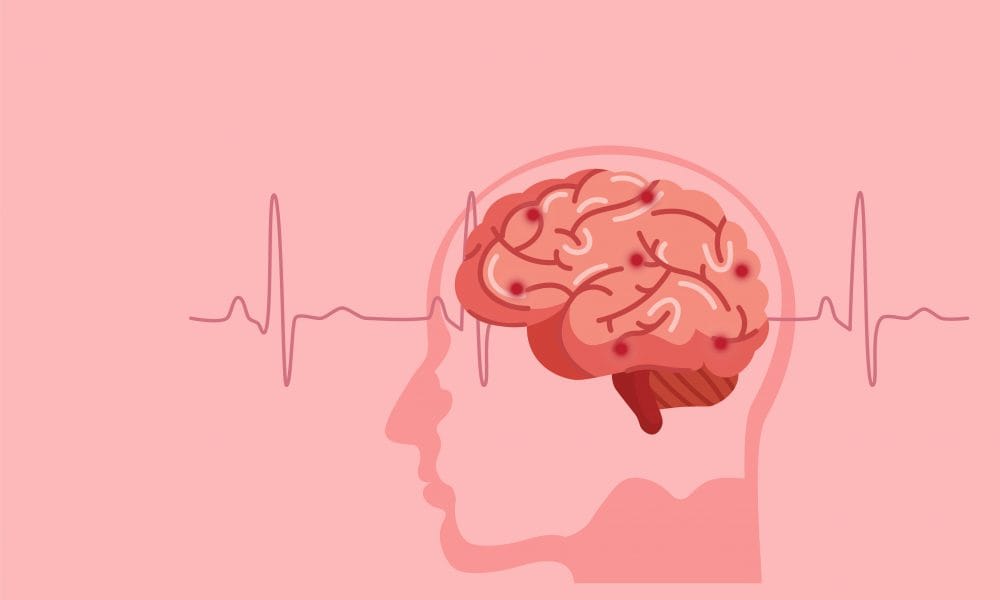
The risk of stroke for patients with TBI is at its highest in the first four months after injury and remains significant for up to five years, new research has revealed.
TBI patients have an 86 per cent increased risk of stroke, when compared to patients who have not experienced a TBI. Stroke risk may be at its highest in the initial four months post-injury, but remains a potential risk for the following five years, the University of Birmingham-led research finds. Significantly, the findings suggest that TBI is a risk factor for stroke regardless of the severity or subtype of the injury - statistics show that up to 90 per cent of TBIs are mild, which researchers highlight as showing the stroke risk applies to even those who had few symptoms and are fully recovered.
When Lily had a stroke aged only eight, such a diagnosis never crossed her family’s minds. Here, her mum Natalie shares their story of rebuilding their lives and why they are committed to raising awareness of childhood stroke
Almost a year ago, in April last year, eight-year-old Lily was rushed to Queens Hospital in Romford after collapsing at home. “It was a Monday afternoon during the first national lockdown, and we were preparing to do some schoolwork,” recalls her mum, Natalie.
New genetic clues have been found in people who have had ‘silent’ strokes, in a breakthrough which could lead to the discovery of much-needed new treatments.
Researchers discovered changes to 12 genetic regions in the DNA of people who have had a lacunar stroke – a type of stroke caused by weakening of the small blood vessels deep within the brain. Over time, damage to the blood vessels and subsequent interruption to blood flow can lead to long-term disability, causing difficulty with thinking, memory, walking and ultimately dementia. To date, only one genetic fault has been associated with lacunar strokes, which affect around 35,000 people in the UK each year.
After seeing her son Max’s struggle to find socks to cover his orthotics, having lived with the effects of a perinatal stroke since birth, Steph Degodny set about designing some herself.
And from that desire to solve a problem for her own child, has emerged a thriving business making socks for children with disabilities across the United States, with a fast-growing presence in the mainstream market through what Steph terms the ‘inclusion revolution’. Max & Me Gear now sells long socks in an array of designs - all of which have been confirmed as being ‘cool’ by their inspiration, Max himself - and are helping to transform the confidence of children and young people at formative stages of their lives.
In 2010, the Clinical Advisory Group recommended every patient admitted to a Major Trauma Centre ought to have a rehabilitation prescription documenting their rehabilitation needs. Eleven years on, rehabilitation prescriptions are not used effectively and uniformly, to the detriment of patients and those who support them.
Tom Balchin is the founder of Action for Rehabilitation from Neurological Injury (ARNI) who had a haemorrhagic stroke when he was 21. For over 20 years, Tom has committed his life to helping stroke survivors make a functional recovery through a specialist rehabilitation programme that he developed based on his own experience. The ARNI programme is backed by clinical studies and Tom’s methods are endorsed by senior doctors.


