



Stroke
Stroke care, recovery and rehabilitation.
 Stroke21 Feb
New light has been shed on the neurological processes involved in post-stoke language recovery. After a stoke, speech will often recover to some extent in the days and weeks that follow, as the brain, stimulated by its own efforts and speech therapy, tries to restore speech as far as possible on its own. To date, [...]
 Stroke7 Feb
Mild electrical brain stimulation did not further improve motor recovery in stroke survivors, according to the results of what researchers say is a surprising study. Motor impairment, such as arm and/or leg weakness, is the most common complication after stroke. Constraint-induced movement therapy (CIMT) restricts movement on the unaffected arm by wearing a mitt over [...]
 Stroke7 Feb
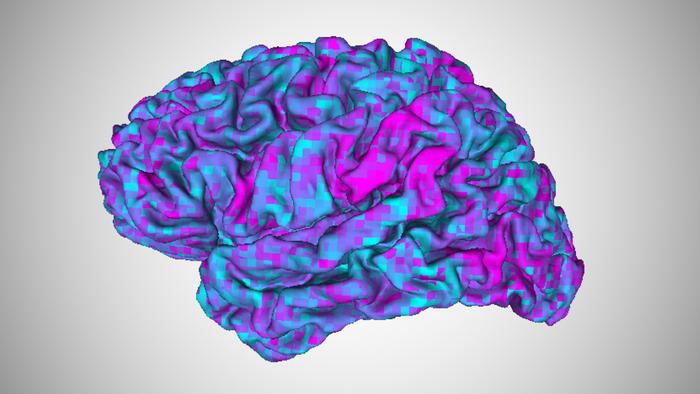
A pair of researchers at The University of Texas at Austin have demonstrated an AI-based tool that can translate a person’s thoughts into continuous text, without requiring the person to comprehend spoken words. And the process of training the tool on a person’s own unique patterns of brain activity only takes about an hour. This [...]
 Stroke6 Feb
Stroke wards with access to the AI imaging platform Brainomix 360 were able to double their thrombectomy rate and reduce door-in-door-out (DIDO) time by 65 minutes, its creator says. The results of a three-year study into stroke-focused AI options involving 71,000 patients in 26 hospitals will be shared at the International Stroke Conference (ISC) in [...]
 Stroke3 Feb
Propranolol - a high blood pressure and migraine prevention medication - has been shown to reduce the risk of ischemic stroke risk among women using the drug for migraine prevention. Propranolol is a beta blocker medication used for treating high blood pressure and preventing migraines. In this new study, the medication was shown to have [...]
 Stroke31 Jan
A blood test may rapidly distinguish brain bleeds from clot-caused strokes, even before people with stroke symptoms reach the emergency room, according to a new preliminary study. When symptoms point to a stroke, it is crucial to distinguish between a haemorrhagic (bleeding) or ischemic (clot-caused) stroke before giving treatment. This is usually done through imaging, [...]
 Stroke24 Jan
Older adults are at greater risk of having a stroke if they experienced their parents divorcing during childhood, new research has found. In the study, among Americans aged 65 and older, one in nine whose parents had divorced reported that they had been diagnosed with a stroke, compared to one in 15 of those whose [...]
 Stroke23 Jan
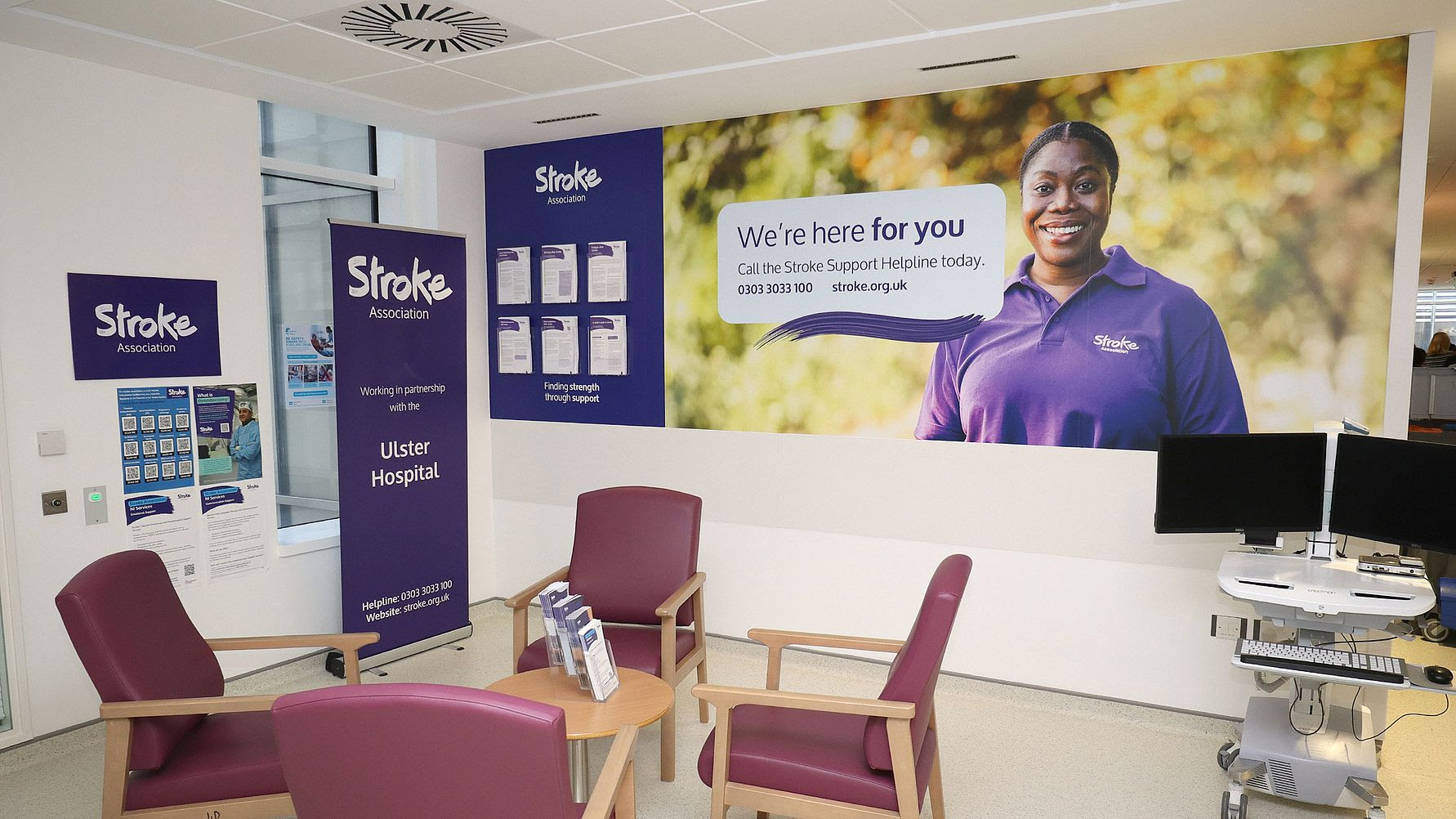
New information displays in the specialist stroke units at three hospitals across Northern Ireland will illustrate the experiences of stroke survivors from across the region. This will feature alongside details of how others can get support in the area from the Stroke Association as the charity provides communication and emotional wellbeing support services for stroke [...]
 Stroke21 Jan
The quality rather than quantity of lipoproteins, such as LDL and HDL - known as 'good' and 'bad' cholesterol - has been found to play a role in the pathophysiology of cardiovascular diseases, including ischaemic stroke, new evidence suggests. The findings underscore the importance of going beyond traditional quantitative cholesterol levels to evaluate the risk [...]
- Stroke20 Jan
A cell therapy derived from stem cells can restore normal patterns of brain activity after a stroke, a new study has shown. While most stroke treatments must be administered in the immediate hours after a stroke to have a benefit, the cell therapy was effective in rats even when given one month later. The modified [...]


