



Stroke
Stroke care, recovery and rehabilitation.
 Stroke9 Jan
The role of immune cells in the aftermath of a stroke has been mapped out in detail in a new study.
Researchers at Weill Cornell Medicine have catalogued the cellular response to stroke in a preclinical model, identifying the immune cells involved and the roles they may play in the days and weeks following a stroke.
During a stroke, loss of oxygen leads to brain damage and cell death. It also triggers a powerful inflammatory response in which the brain’s resident immune cells, along with cells recruited from the blood, infiltrate the injured tissue.
 Stroke8 Jan
Radon, a naturally occurring radioactive gas produced when metals like uranium or radium break down in rocks and soil, has been linked to increased stroke risk.
Radon is a known cause of lung cancer but new research has found exposure to high levels of this indoor air pollutant may be associated with an increased risk of ischemic stroke in middle age to older women. Stroke21 Dec
Study reveals anxiety, depression and PTSD in loved ones, again highlighting challenges of being a carer
 Stroke18 Dec
Study shows optimum period is during or shortly after the menopause, rather than years down the line
 Stroke13 Dec
New understanding of left-sided dyslexia could help develop personalised interventions
 Stroke11 Dec
Study shows potential of new intervention even days after stroke
 Stroke8 Dec
Research hailed as being crucial in design of more personalised and effective treatment strategies for patients
 Stroke4 Dec
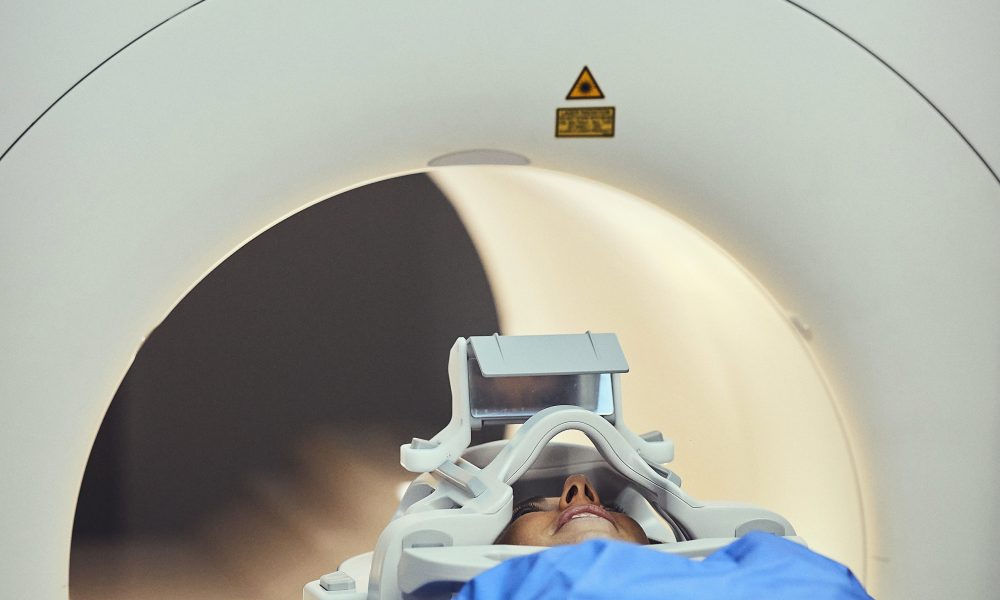
Mark Hitchman, managing director of Canon Medical Systems UK, explains why innovations in Artificial Intelligence (AI) for healthcare will deliver time efficiencies and better standards of care for patients
 Stroke30 Nov
Study reveals window for optimum gains for those whose stroke has led to communication difficulties
 Stroke29 Nov
Expert analysis on the role of live stroke registries in improving pathway management.


