



Stroke
Stroke care, recovery and rehabilitation.
 Stroke13 Aug
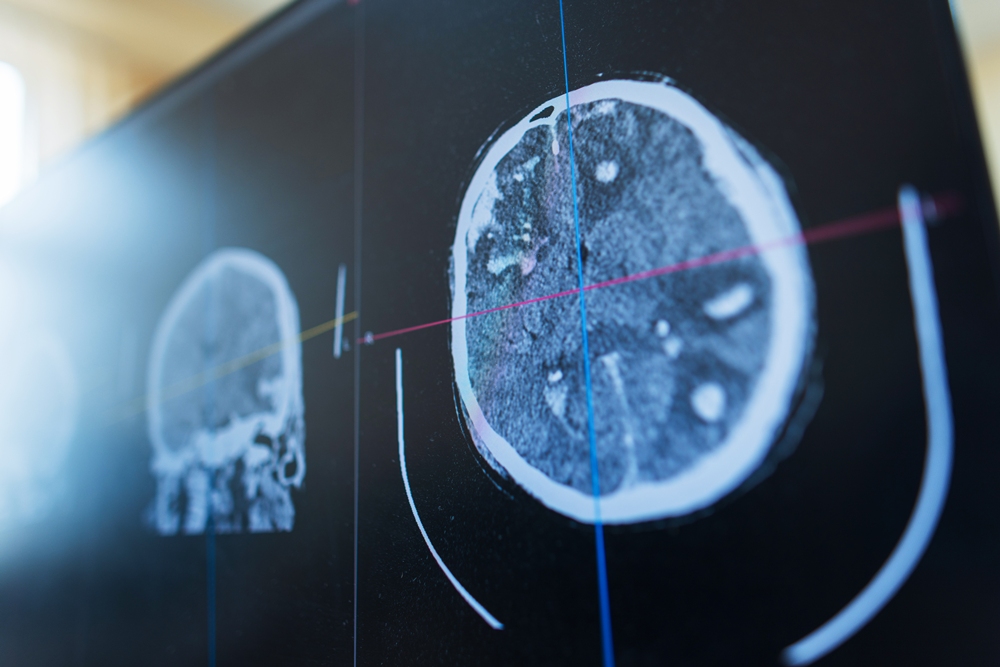
Automated MRI could improve stroke research by making brain tissue measurements more consistent across large animal studies, researchers say. The system was tested on scans from more than 2,000 mice and rats across six academic research centres, with measurements closely matching those made by human experts. By reducing differences between thousands of preclinical scans from [...]
 Stroke12 Aug
The Scottish Government is still “failing stroke patients”, a charity has warned after targets were missed for an eighth consecutive year. The annual stroke care report published by Public Health Scotland found a 3.6 percentage point increase in patients receiving the care bundle: a swallow screen, brain imaging, aspirin and admission to a stroke unit. [...]
 Stroke11 Aug
A spinal implant helped seven stroke survivors improve arm and hand mobility during a four-week pilot clinical trial, researchers found. Participants had profound movement impairments and received electrical stimulation alongside less than nine hours of painless movement training. All seven experienced improvements regardless of their initial level of mobility. The University of [...]
 Stroke7 Aug
Exercise was linked to a lower risk of stroke and death in adults with atrial fibrillation, a 15-year study of more than 87,000 people suggests. Kristoffer Johansen, lead study author and researcher at UiT The Arctic University of Norway, said: “In general, people with AFib appear to be less active than the general population. The [...]
 Stroke31 Jul
Smart home sensors may help flag stroke risk in older people living alone by detecting changes in daily behaviour, a South Korean study suggests. The AI-powered system used contactless Internet of Things sensors to identify behavioural patterns linked to a higher risk of stroke. Researchers said monitoring these changes could support earlier detection among older [...]
 Stroke29 Jul
Stroke risk factors are rising faster among Black African and Caribbean people than their white counterparts, analysis of 30 years of data suggests. Researchers at King’s College London analysed data from more than 8,500 adults in the South London Stroke Register over three decades. It is one of the world’s longest-running population-based stroke registers. [...]
 Stroke28 Jul
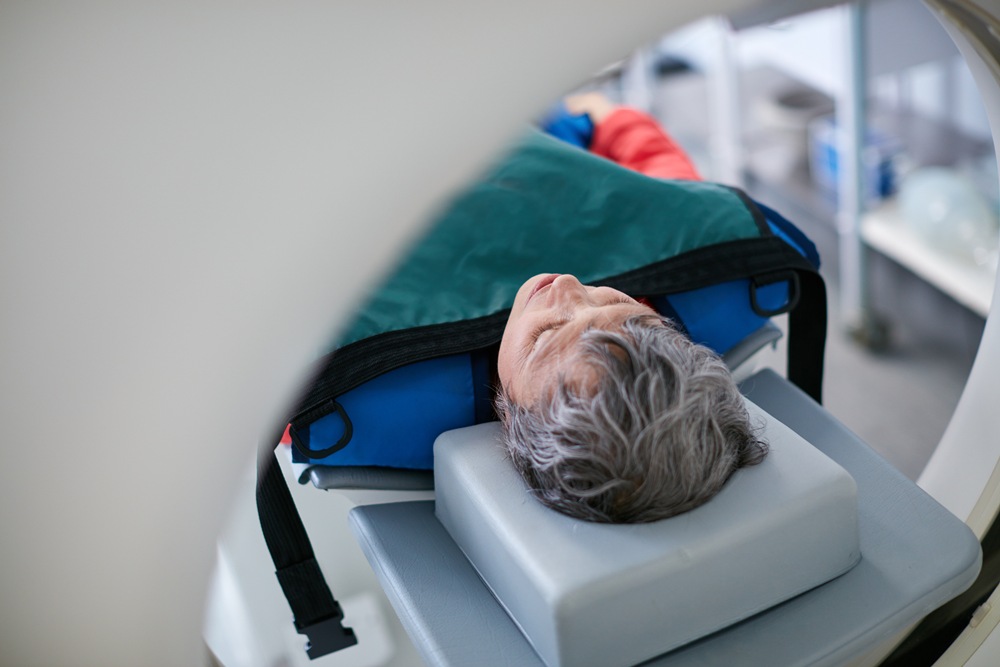
Wellumio has closed an oversubscribed US$9.75m round to advance its portable brain imaging system for stroke assessment at the point of care. The financing round was led by Nuance Connected Capital, with participation from Icehouse Ventures, NZ Growth Capital Partners’ Aspire Seed Fund, Pacific Channel, Booster, Cure Kids Ventures, Flying Kiwi and Enterprise Angels. The [...]
 Stroke27 Jul
An Exeter stroke survivor who had a stroke at 29 has turned to stand-up comedy to help rebuild her life and confidence. Molly Kinsey’s act focusses on the chaos of raising her young son, and audiences are stunned when she reveals that she survived a stroke. She is determined not to let the memory problems, [...]
 Stroke24 Jul
An artery-on-a-chip could help predict a person’s stroke risk by recreating their blood vessels and blood flow, researchers say. Described as a patient’s “physical twin”, the tool models the shape of an individual artery and the way blood moves through it. It could provide more detailed information than measurements of arterial narrowing alone, although further [...]
 Stroke21 Jul
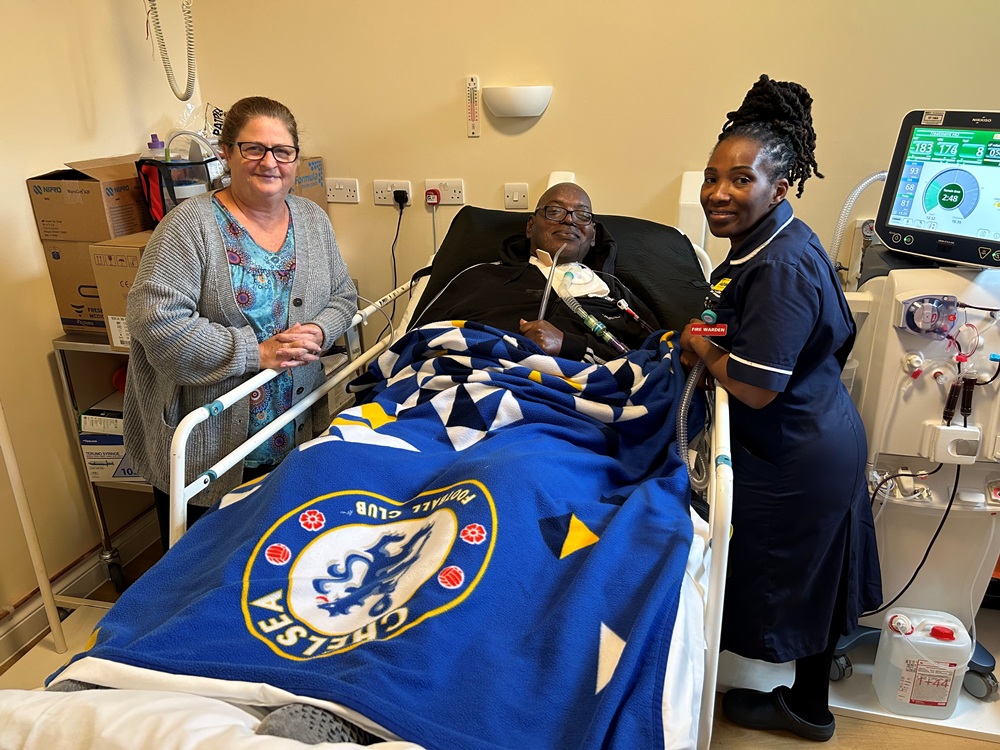
The first haemodialysis service to be offered in a care home setting has been established in London, thanks to a provider partnership with the NHS. Fairlie Healthcare, which provides specialist nursing care to people living with complex neurological conditions, spent more than 12 months working closely with the renal team at King’s College Hospital NHS [...]


