



Tech & industry

An AI screening tool has shown promise in detecting early signs of Parkinson’s disease by analysing speech patterns, potentially supporting earlier diagnosis. Scientists at the University of Rochester developed the algorithm to detect subtle speech changes linked to Parkinson’s – a progressive neurological condition that affects movement and coordination. The system was trained on voice [...]

Dutch medtech company TrianecT has raised €1.35m to bring its ambulance-based stroke detection device, StrokePointer, to market. The portable system allows paramedics to assess stroke severity on scene and direct patients to centres equipped for specialist treatment. Stroke affects one in four people over 25 and accounts for a third of global healthcare costs. [...]
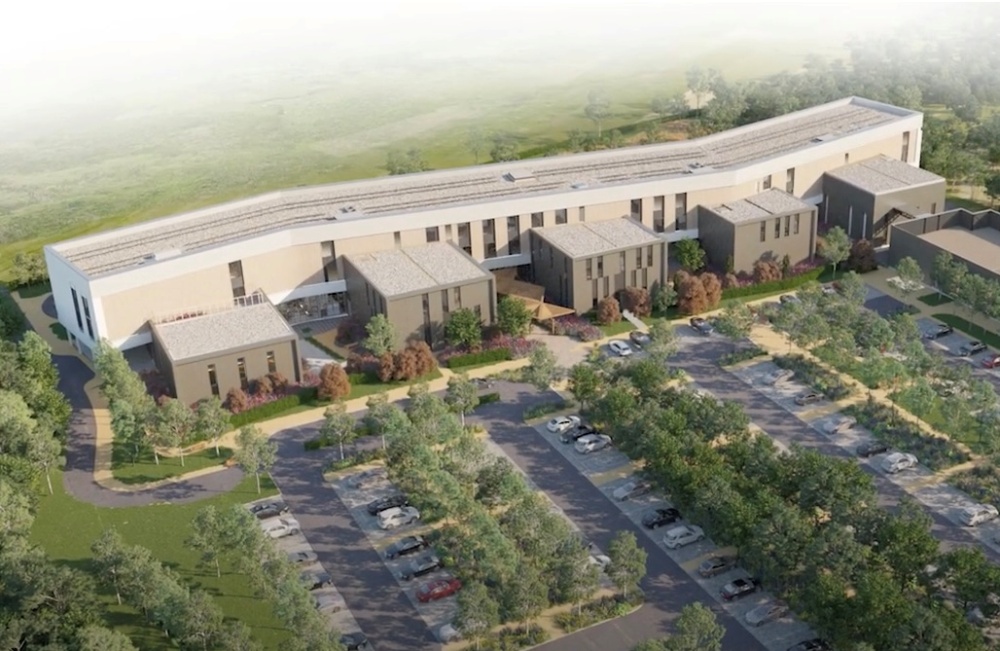
England’s new NHS National Rehabilitation Centre has signed a deal with tech firm Airwave Healthcare to supply intelligent bedside terminals to the new facility. The NRC will be run and staffed by Nottingham University Hospitals NHS Trust. It was originally scheduled to open by the end of 2024 before delays put the opening date back [...]

A new drug, GAI-17, has reduced brain cell death and paralysis in mice after stroke, even when given six hours after onset. Researchers found the compound blocks a protein linked to cell death, suggesting it may extend the treatment window for stroke and reduce long-term damage. The team, based at Osaka Metropolitan University in Japan, [...]
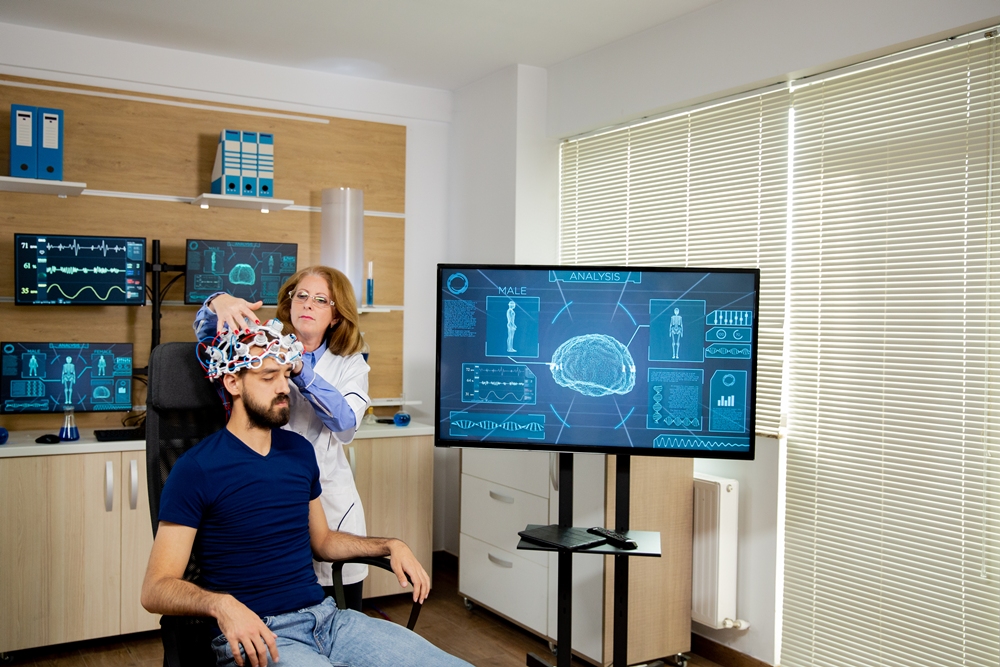
NR Times explores the latest business and pharma developments in the world of neuro-rehabilitation. Strategic partnership to develop novel therapy for Alzheimer’s disease JCR Pharmaceuticals has entered into a joint collaboration with Acumen Pharmaceuticals to develop a novel therapeutic candidate for the treatment of Alzheimer’s disease (AD). The treatment is enabled by JCR’s [...]

Amphix Bio’s lead therapy for spinal cord injury has been granted orphan drug status by the US Food and Drug Administration, potentially speeding up access for patients. The treatment, AMFX-200, uses engineered peptides—small protein fragments—that act as drugs to activate cell receptors and as scaffolds to support tissue regeneration. The designation is reserved for conditions [...]

A new 3D printed implant could aid recovery after spinal cord injury by delivering electrical signals to encourage nerve cell growth. The soft, gel-like implant includes conductive fibres that transmit electrical currents to help neurons regrow. It was developed using materials designed to replicate the spinal cord’s natural environment, including hyaluronic acid, collagen type-IV and [...]
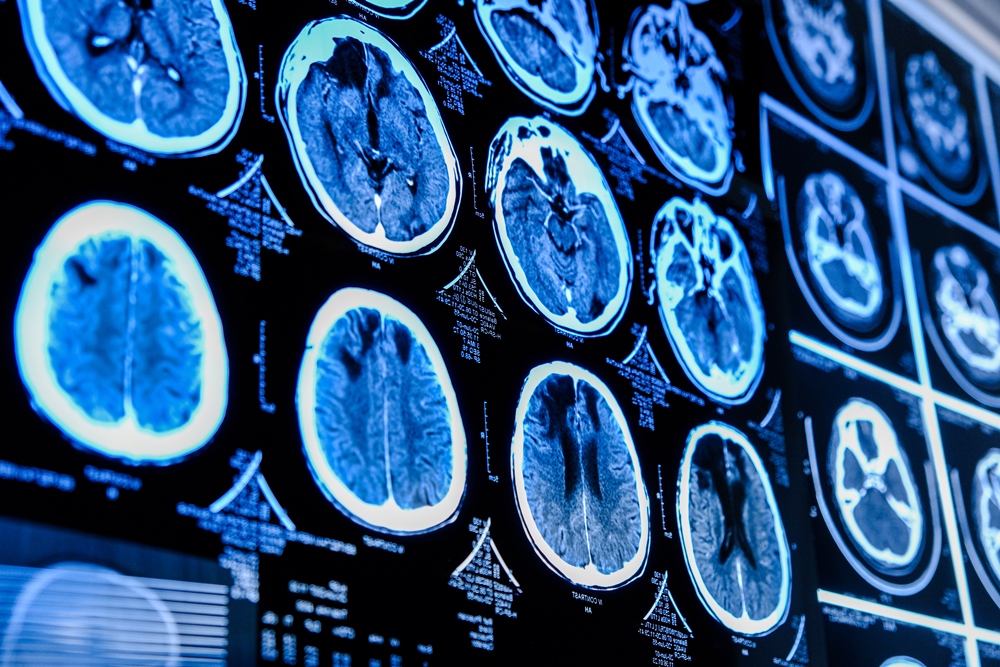
A new research centre receiving up to £50m over 14 years will develop brain stimulation devices to treat Parkinson’s, dementia, stroke and childhood epilepsy. The Medical Research Council Centre of Research Excellence (CoRE) in Restorative Neural Dynamics will explore how patterns of brain activity relate to behaviour and contribute to neurological disorders. Researchers aim to [...]

Elysium Neurological is delighted to announce the successful completion of a six-month trial of Melo™, a digital tool designed to streamline behavioural assessments. Melo™ was introduced at the start of the year at Moorlands Neurological Centre in Staffordshire, a neurobehavioural hospital service for men and women over the age of 18 years, who have an [...]

Researchers are conducting the first-large scale trial of a device which could help people with Parkinson’s Disease to walk better. Over 200 people with Parkinson’s at eight sites around the UK will test the use of a Functional Electrical Simulation (FES) device, which is already used by people with Multiple Sclerosis (MS) and those who’ve [...]


