



Tech & industry

A smartphone platform that helps doctors monitor Parkinson’s symptoms has raised US$5.6m to expand its commercial capacity and advance dementia-monitoring technology. The funding brings total investment to US$11.2m for the clinically validated system, which uses smartphones to track changes in movement, speech and cognition. Kneu Health’s platform includes a tremor measurement tool cleared by the [...]

ONWARD Medical has raised €50.85m to advance spinal cord stimulation technologies and expand commercialisation of its movement restoration systems. The funding comes from a private placement of 11.3 million new shares at €4.50 per share, extending the company’s cash runway through at least the end of 2026. The Netherlands-based neurotechnology company, which also operates a [...]
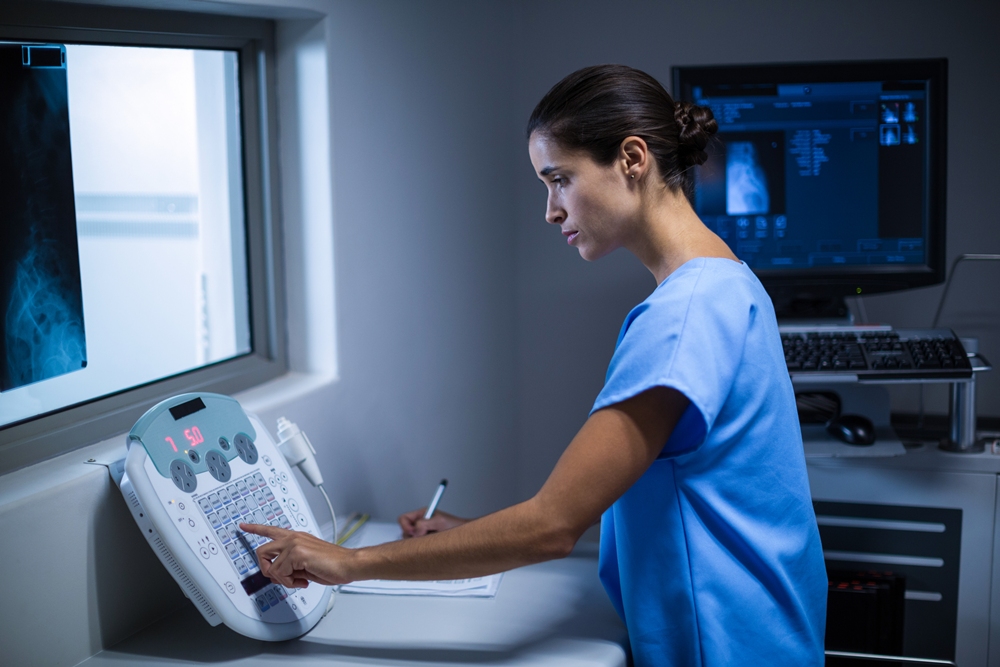
A US$3m grant has been awarded to develop a military-optimised ultrasound guidance system for spinal interventions in armed forces medical settings. The funding will support the creation of a portable device designed for epidural steroid injections at forward-deployed military hospitals, with development expected to take 36 months. Medical technology developer RIVANNA received the Peer-Reviewed Medical [...]

BioNxt has launched a 15-day dosing optimisation study for its sublingual multiple sclerosis (MS) drug, marking the final step before human bioequivalence testing planned for early 2026. The study represents the last preclinical stage for BNT23001, a thin-film formulation of cladribine designed to dissolve under the tongue for treating MS. Following successful small-animal trials confirming [...]

A woman with Parkinson’s disease played the clarinet during brain surgery, allowing doctors to observe immediate improvements in her movement. Denise Bacon, 65, from Crowborough in East Sussex, underwent Deep Brain Stimulation (DBS) at King’s College Hospital while awake. Her playing helped surgeons assess the success of the procedure in real time. DBS involves implanting [...]
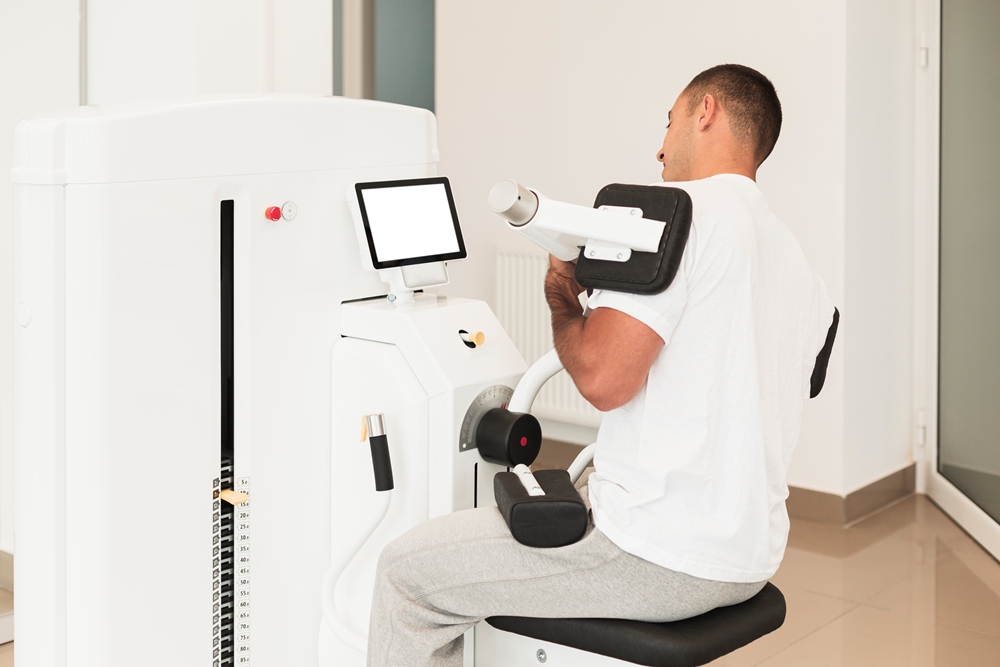
NR Times explores the latest business and pharmaceutical developments in the world of neurorehabilitation. New partnership to distribute of MedRhythms devices for stroke and Parkinson’s Neurorehabilitation company MedRhythms has entered a strategic partnership with Edwards Health Care Services (EHCS), a leading provider of direct-to-home medical products. The partnership enables nationwide distribution of MedRhythms' currently available [...]
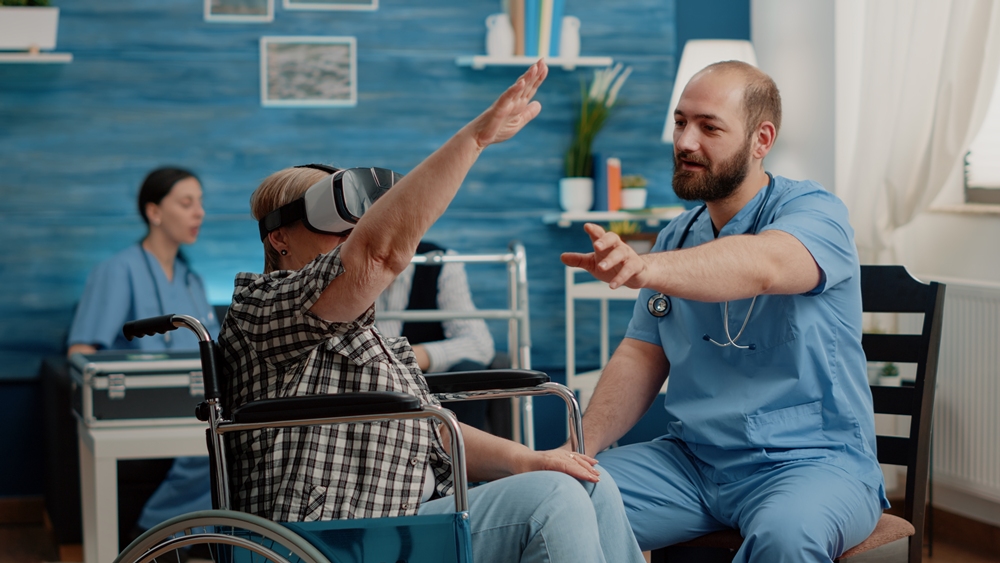
A new virtual reality training task developed by researchers in Finland shows promise for helping stroke survivors with visuospatial neglect, a condition that affects awareness of one side of space. The VR-based rehabilitation tool combines audiovisual cues with physiotherapy exercises to support recovery. Visuospatial neglect (VSN) affects about 30 per cent of stroke survivors and [...]
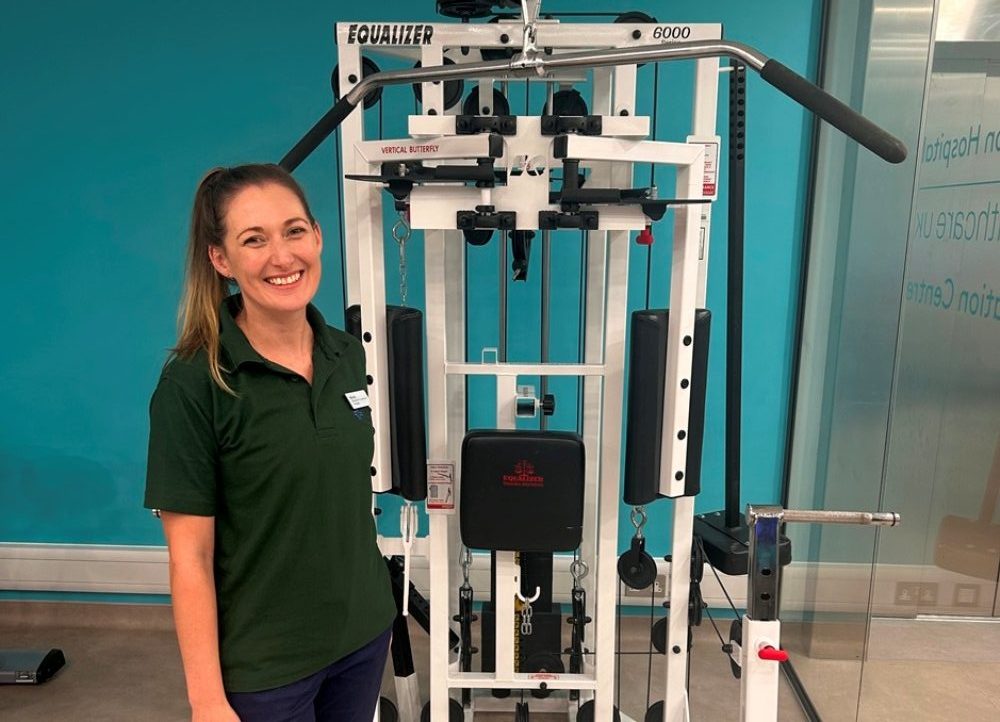
HCA Healthcare UK’s Neuro Rehab Centre sees many patients living with spinal cord injuries. Mandy shares how the team at the centre combines innovative technology with compassionate, patient-centred care to support recovery. Our team here at The Wellington Hospital supports patients at all stages of their journey, from early rehabilitation to ongoing, long-term care. With [...]
People with Parkinson’s are receiving a new investigational treatment after a successful study demonstrated the therapy’s safety in non-human primates and refined the method for its delivery. Biotechnology company Aspen Neuroscience said it would enrol a third group of participants in its ASPIRO trial after the first four patients safely tolerated the therapy. The Phase [...]

Scientists have identified an enzyme that protects brain cells from Parkinson's disease by regulating how mitochondria — the cell’s energy producers — are recycled and replaced. The protein complex, known as PP2A-B55α, acts as a molecular switch that determines whether cells repair or create mitochondria, maintaining the energy balance vital for neuron survival. Mitochondria are [...]


