Therapy
Therapies that support recovery after neurological injury and illness.
 Spinal injury22 Sep
With a global reputation for its work in brain and spinal cord injury rehabilitation, Craig Hospital has delivered life-changing outcomes for thousands of patients for 65 years. Deborah Johnson meets Jandel Allen-Davis, CEO of the pioneering US hospital, to learn more about its work
 Brain injury21 Sep
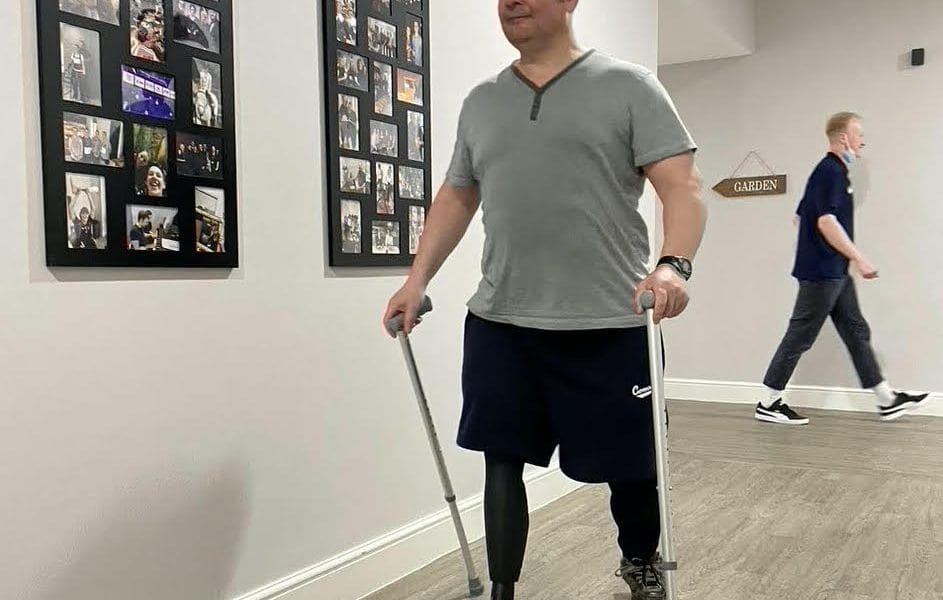
NR Times reports on how Chroma is helping amputees prepare for prosthetics through neurologic music therapy (NMT).
 Care & services20 Sep
Mental health hospitals have faced significant challenges over the past 18 months, trying to find ways to keep patients engaged and motivated amidst ongoing restrictions and limited visits from friends and family.
 Community neuro rehab17 Sep
The Government has responded to a petition signed by thousands of people calling for greater access to speech and language therapy (SLT), saying it is “supporting the restoration” of such vital support for those in need.
 Therapy9 Sep
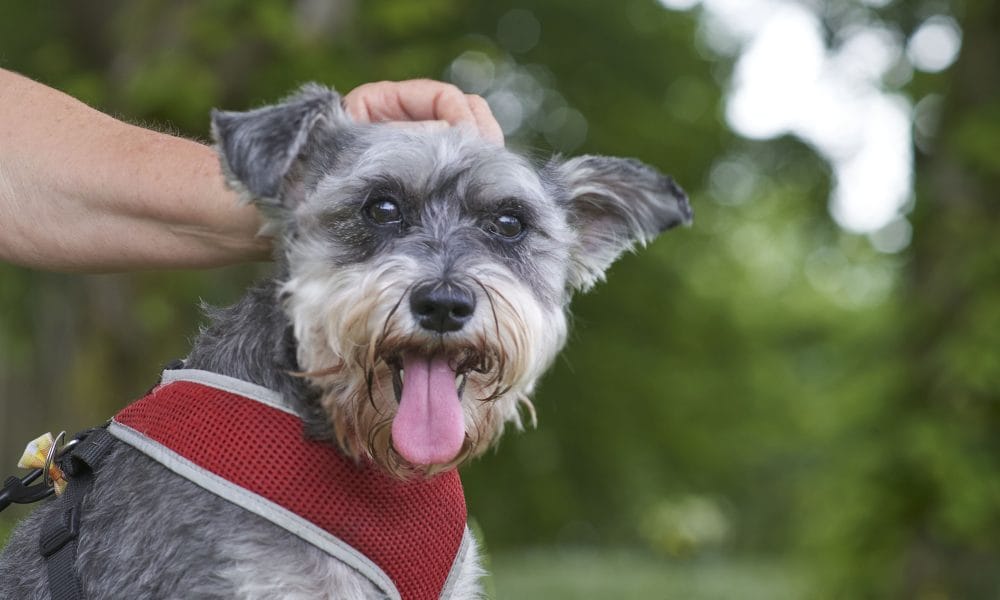
Survivors of trauma, illness and injury often find comfort and support from companion animals during their rehabilitation.
 Stroke7 Sep
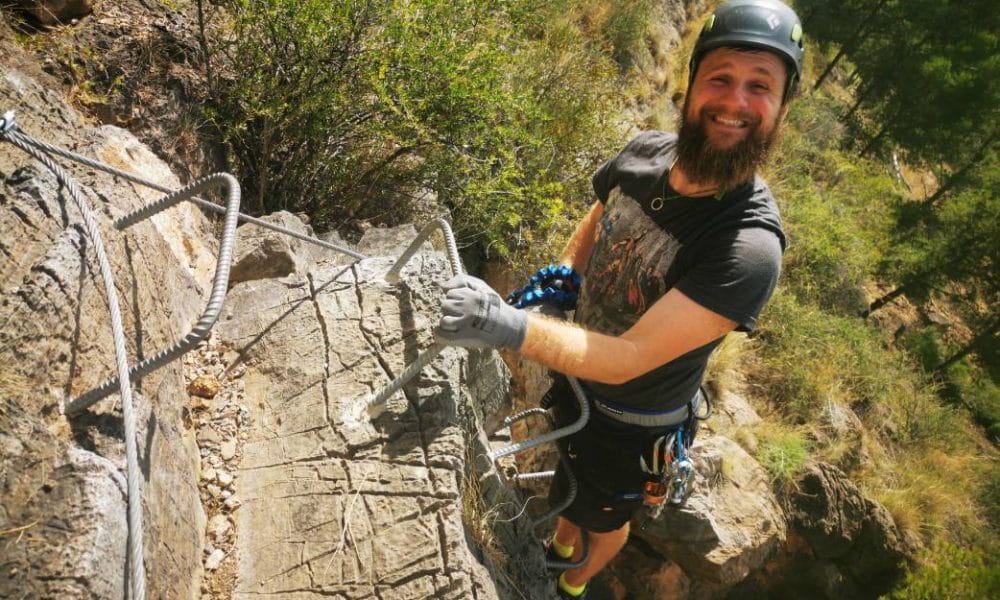
A stroke survivor is drawing on his own personal experience to help others recover from life-changing injuries at the UK’s first brain injury rehabilitation centre focusing on outdoor activities.
 Care & services27 Aug
The offering for service users at a Recovery College is being expanded after a successful first year in operation. Heatherwood Court, a low security hospital offering treatment and rehabilitation for men and women on a forensic mental health pathway, launched its Recovery College in 2020. The Recovery College offers service users a broad range of courses encouraging them to develop new skills to aid them in their recovery and to help with their return to the community. The college is co-managed by service users themselves, giving them an active role to play in its production and delivery, putting them at the heart of its success. Becoming firmly established within its first 12 months, the team at Heatherwood Court - located near Cardiff and owned and managed by specialist healthcare provider, Ludlow Street Healthcare - have now developed a new prospectus with a wider course offering to reflect the requirements of service users.
 Therapy23 Aug
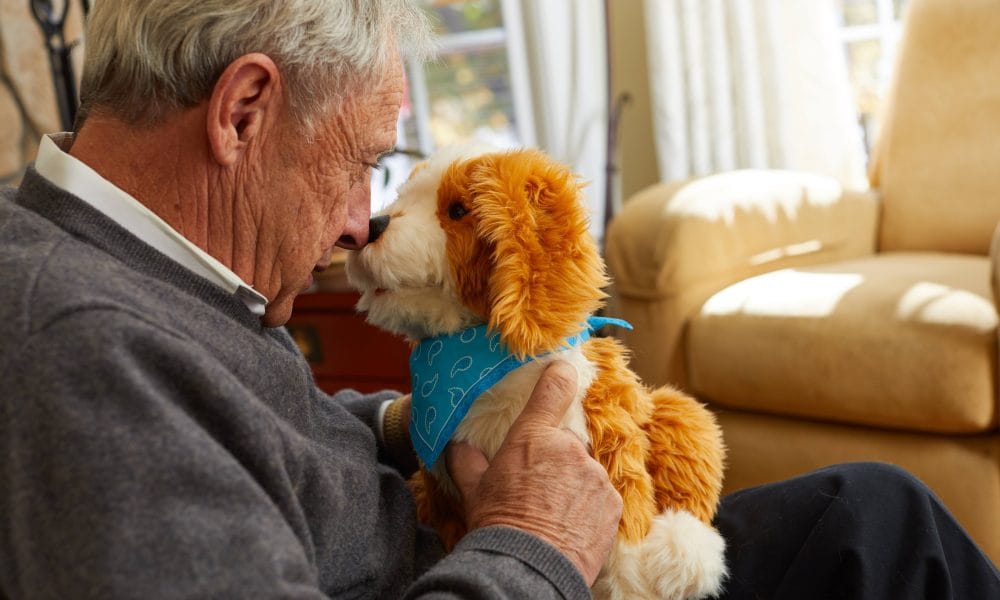
In dementia cases, the instinct to look after and nurture something or someone can be among the last things to leave a person. People with the neurodegenerative condition may hold dolls while in care, for example, as their brain recognises them as objects requiring their care and attention. While pets can also help to satisfy this need, taking care of them may be too much responsibility for many with the disease. A new solution is emerging, however, in the form of robotic animals. At the heart of this robot-revolution is Deborah Spratley, founder of Plymouth-based RoboPets, which distributes these devices to care homes across the UK. The soft and cuddly animals have shown their power to transform dementia and Parkinson’s patients’ quality of life – but are far more than mere toys. They utilise the latest robotic technology to respond to their carers actions, as well as making life-like noises. They help to foster a sense of responsibility, and empowerment, allowing patients to forget about their conditions and feel in control of their lives.
 Therapy12 Aug
Can nature support physical and psychological wellbeing for adults with acquired brain injury (ABI) or long-term neurological conditions (LTNC)? Dr Anita Rose, consultant clinical neuropsychologist at The Renovo Care Group, explores the issue “Being in nature is not only inspiring, it also has medical and psychotherapeutic potential. By experiencing nature, we place our body in the original functional circle made of humans and the environment from which we emerged. We put two matching puzzle pieces together – us and nature into one whole.” Clemens G. Arvay (Healing code of nature) We can all find ourselves in stressful situations during our lifetime. In fact, the whole of humankind has faced challenges and adversity during the recent pandemic. When we are facing crises it is natural to look for refuge, a safe environment, a place of healing.