Cygnet Alders Service user leads the way with head banging awareness course

A service user at Cygnet Alders is making a powerful difference to others by bravely sharing her lived experience and leading a psychology group for both staff and patients to raise awareness of head banging and how it can be reduced.
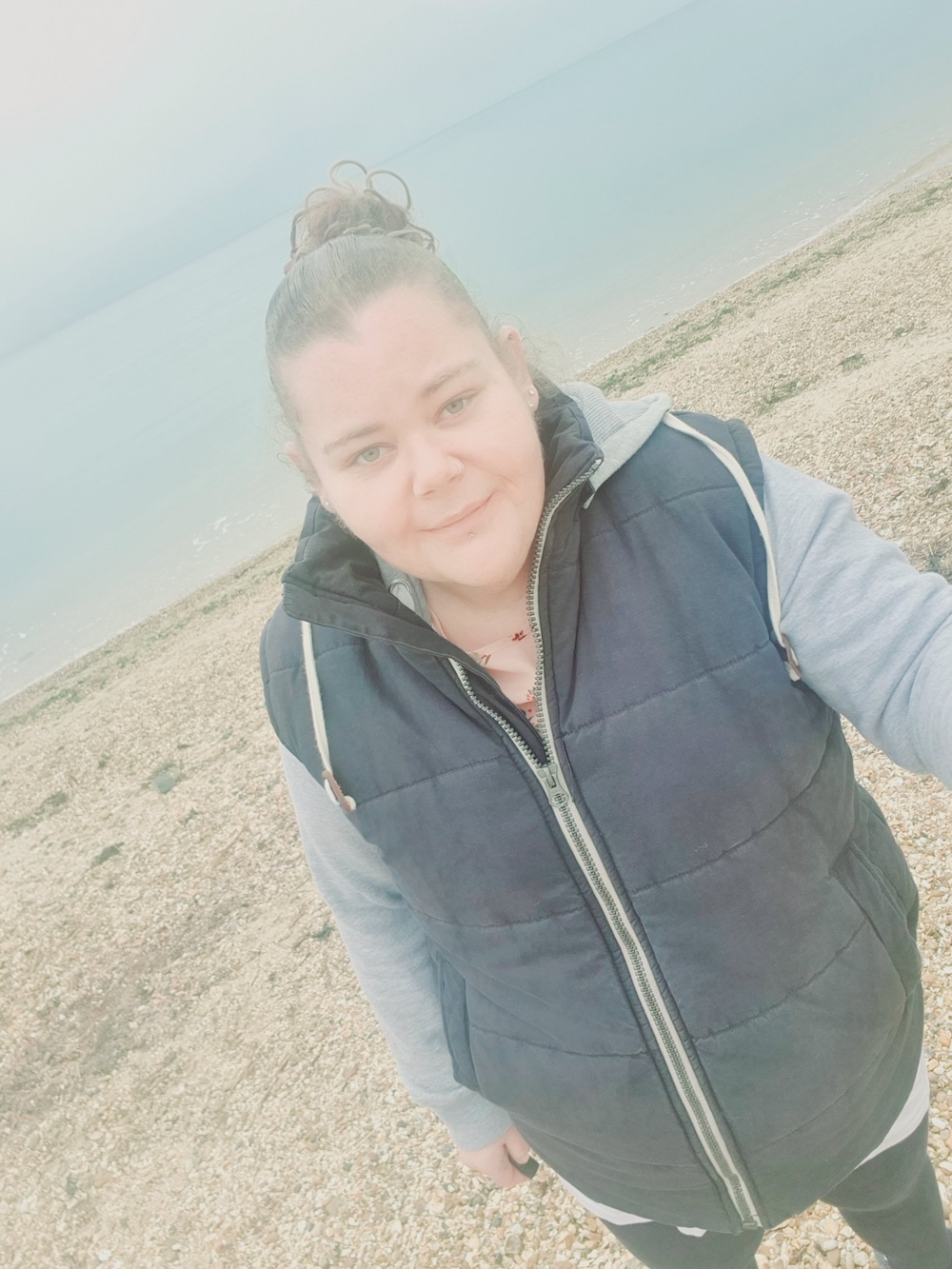
Charley, who has been at the Gloucester-based Cygnet Health Care hospital on Podsmead Road for two years, has co-developed and now facilitates an eight-week “head banging awareness” group alongside the psychology team. Open to both staff and fellow service users, the sessions focus on education, prevention and practical coping strategies, all grounded in Charley’s personal journey.
Having experienced severe and frequent head banging in the past, Charley now lives with the long-term consequences, including a traumatic brain injury and Functional Neurological Disorder (FND). Her experiences led to a loss of mobility and independence, something she is determined to help others avoid.
“I wanted to share my story so people understand how serious long-term head banging can be,” Charley explains. “I never imagined 10 years ago that I would be where I am now. If I can help even one person reduce or stop, then it’s worth it.”
The group is designed to be flexible and inclusive, with attendees able to join any session. Topics include identifying triggers, developing personalised head banging care plans, exploring coping mechanisms, and creating open dialogue between staff and service users.
“Importantly, the course is not about forcing change. It’s about empowering individuals with knowledge and tools.
“It’s about making people aware and giving them options. Everyone has different triggers and different needs. This group helps both staff and service users understand that.”
A key focus of the sessions is strengthening collaboration. Staff are encouraged to ask questions and gain insight directly from those with lived experience, helping them better recognise early warning signs and respond in a more personalised and supportive way.
Assistant Psychologist at Cygnet Alders, Scarlett Atherton, said: “Early in the development of the group it became clear to me that Charley’s resilience and ability to reflect on her experiences would form a solid foundation for the group. Together we built on this foundation to include coping strategies that Charley has found useful, alongside supporting both patients and staff to notice triggers for head-banging.
“The most powerful element of the group is Charley sharing her lived experience of head-banging, and the impact this has had on her life. No clinical input could replicate how meaningful this is.
“It has been an honour to work collaboratively with Charley. She has reinforced a real strength of hers which is supporting and helping others through being her authentic self. I have also grown as an Assistant Psychologist, having a better understanding of head-banging, its impacts and how as a member of the psychology team at Alders we can better support patients and staff in working with patients who head-bang.”
Therapy coordinator at Cygnet Alders, Jessica Warburton, described the positive impact the sessions are having.
She said: “Charley has been incredibly brave and open. She’s shared honest and sometimes difficult experiences, helping us understand what works and what doesn’t. It’s made a real difference, not just for staff, but for other service users too.
“The sessions have already led to meaningful outcomes. Service users have discovered new coping strategies, including sensory tools and breathing techniques, while staff have gained a deeper understanding of how to provide early intervention and tailored support.
“The group has also sparked important conversations, creating a safe space where experiences can be shared and understood.
“It helps people realise they’re not alone. It’s truly co-production in action.”
The popularity of the group has continued to grow, with some sessions seeing such high attendance that additional chairs have had to be brought in to accommodate everyone.
For Charley, the experience has also been transformative. Although initially nervous, she now reflects on the sense of purpose it has given her.
“I feel like I’ve done something good,” she says. “If sharing my story helps someone keep their independence or avoid what I’ve been through, then that means everything.”
Looking to the future, Charley hopes to move on to supported living and continue her recovery journey.
“When I am discharged from Cygnet Alders, I want to take with me the knowledge that I have made a lasting impact on others,” she said.
“Ultimately I want to improve understanding, strengthen care, and most importantly, inspiring hope.”