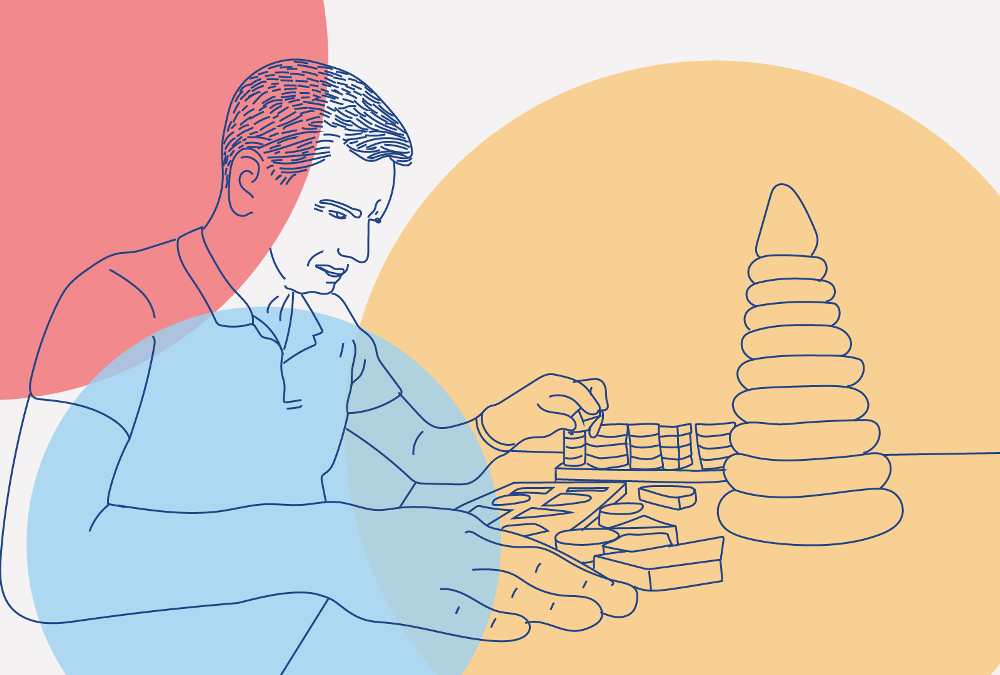
Interview: Why we must never lose sight of the bigger picture as neuro OTs

NR Times catches up with Victoria Holness-Waud, specialist neurological occupational therapist and founder and clinical director of 360 Rehab, to find out more about her approach and the current climate for occupational therapy in neuro-rehabilitation.
The many roles we play in life, says Victoria Holness-Waud, are central to our identity.
When those roles are threatened through serious injury or disability, occupational therapy – when delivered holistically — can play a pivotal role in helping someone rebuild their sense of self and reconnect with the life they want to live.
Victoria herself holds several professional roles: she works as a specialist neurological occupational therapist, a case manager, and runs her own independent therapy practice, 360 Rehab.
The company brings together occupational therapists, wellbeing coaches and vocational specialists, providing independent occupational therapy, rehabilitation services and coaching for children and adults.
With more than 20 years of experience, including work across litigation-funded rehabilitation and complex case management, she brings a practical perspective on the current landscape of occupational therapy and what effective practice looks like.
Here she shares her views on the importance of a “bigger picture” approach to neuro occupational therapy and some of the challenges affecting the profession.
NR Times: You’ve been an OT for over 20 years – it’s clearly a field you find rewarding?
Victoria Holness-Waud: What drew me to occupational therapy in the first place, and what has kept me passionate about it for more than 20 years, is its focus on the whole person.
It’s a career that can be demanding at times – emotionally and psychologically – because we are often working alongside people and families during some of the most difficult periods of their lives. But it is also incredibly rewarding.
What keeps me motivated is seeing how meaningful change can happen when someone begins to reconnect with the things that matter to them.
If there is a physical impairment, for example, it’s not just about improving muscle strength or range of movement.
It’s about understanding how that impairment affects the person’s ability to live their life and engage in the activities that mean something to them.
Those activities form part of our identity – being a parent, a worker, a student, a friend.
Occupational therapy looks at what gives someone purpose and structure in their life. Once we understand that, we can use those meaningful activities therapeutically to help rehabilitate the person.
That might involve rebuilding physical skills, developing strategies to manage cognitive difficulties such as memory or attention problems, or supporting someone to adapt emotionally to changes in their role or identity.
For me, that’s what makes occupational therapy so powerful — it’s about helping people reconnect with their life and rediscover what gives them meaning.
Tell us briefly about 360 Rehab’s approach to clients with brain injuries or complex disabilities.
Our aim is to help the client regain identity, rebuild abilities and reintegrate into the life they want to live.
Many of the people we work with have sustained serious injuries and may be involved in litigation, which can take years to resolve. During that time, rehabilitation needs to continue progressing.
Often clients have become somewhat accustomed to their disabilities or the limitations others may have placed around them.
Part of our role is helping them – and sometimes their families – to see what might still be possible.
For example, someone who sustained a brain injury as a child may have always lived within a protective environment. As they grow into adulthood, it becomes important to explore independence.
Could they live in their own property? Could they travel? Could they go on holiday like their peers?
Sometimes we support the family on that journey as well, helping them to understand what is realistic and how rehabilitation can support their loved one to move forward.
A client’s goal might be something very simple but meaningful – like cooking dinner for their children for the first time since their accident or doing bath time with them again.
Our role is to help make that happen.
Activities like these give people identity, structure and motivation to get up in the morning and live their lives to the fullest.
Without meaningful activity, life can quickly become more difficult, affecting mood and confidence.
Typically, how does your occupational therapy work begin with these clients?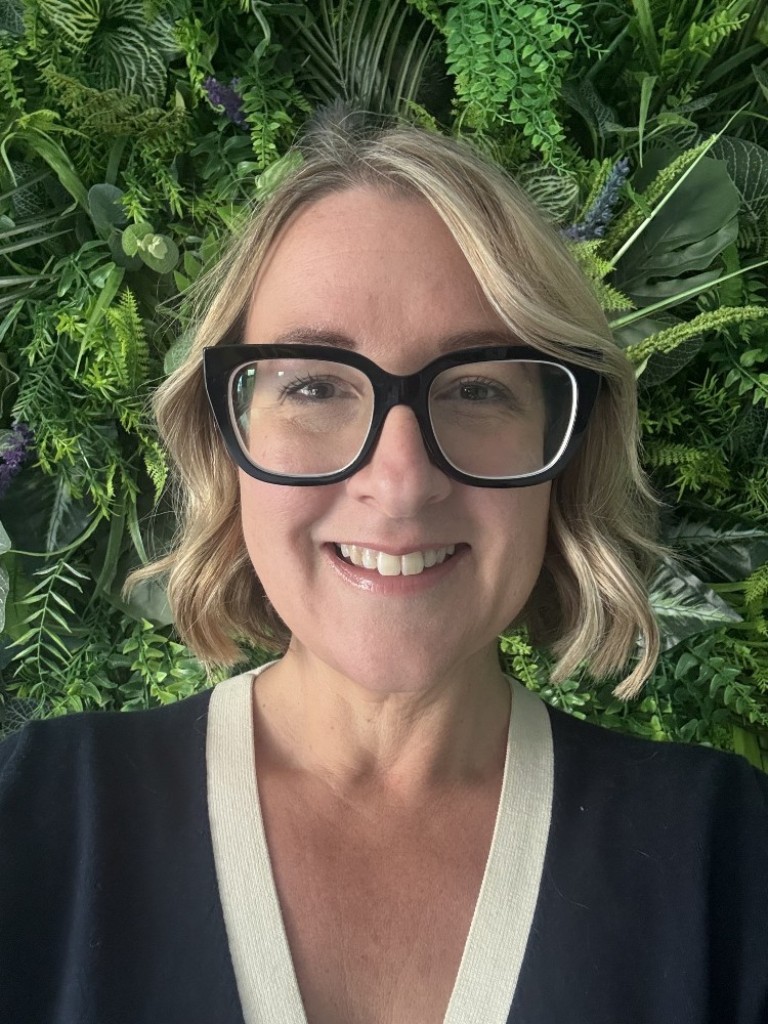
In neuro-rehab , we often see that after trauma many people are dealing with the emotional sequelae and may not yet be in the right headspace to engage fully with rehab as they are still processing the emotional impact of their injury.
They may not yet feel ready to engage fully with rehabilitation.
Occupational therapists can often engage with clients earlier than some other professions because we use meaningful activity as a way in.
We start by gathering information from the referrer and then building a picture of who the client is as a person.
We explore their interests, their previous roles, and their physical and cognitive abilities.
After a brain injury, people often experience difficulties with memory, attention or higher-level executive functions such as planning, organisation and goal management.
We assess across several domains – physical, cognitive and psychosocial – as well as looking at the environments the person interacts with, such as their home, workplace, school or university.
Rehabilitation is rarely delivered in isolation.
Occupational therapists work closely with the wider interdisciplinary team – including neuropsychologists, physiotherapists, speech and language therapists, case managers and support workers – to ensure everyone is working towards shared goals and the rehabilitation programme remains coordinated and purposeful.
Speaking with family members can be invaluable too. It helps us understand who the person was before their injury and what activities or roles were important to them.
For example, were they sociable? Did they used to go dancing? Did they enjoy nature? We then have a better picture of who that real person is – the holistic model.
From there, we can set meaningful goals and build a rehab programme around them and take a strength-based approach.
Tell us more about this strength-based approach.
A strength-based approach means looking beyond the difficulties someone has and recognising the abilities they still possess. Yes, there may be impairments, but there are also strengths.
We ask: how can we use someone’s interests and abilities to support areas that are more challenging? Sometimes we modify the activity itself or introduce tools or technology to support independence.
For example, we might use sleep trackers, epilepsy monitors, alarms or digital prompts to help someone manage their health, organise daily routines or maintain independence in tasks such as cooking or hydration.
These tools can help people better understand their own patterns and manage their conditions more effectively.
You mentioned meaningful goals. What happens if progress towards goals slows or becomes too challenging?
Goals often evolve as rehabilitation progresses. We break larger goals down into smaller, manageable steps and continually reassess what is working.
If progress slows, we might adapt the goal, simplify it, or adjust the approach so the client can still experience success and remain motivated.
We want them to feel empowered, that they’re achieving, and participating successfully in rehab. That sense of achievement is incredibly important.
This process is also important in litigation-funded rehabilitation, where solicitors and insurers want to see evidence that the rehabilitation programme is structured, meaningful and producing progress.
Our aim is always to help the client succeed.
We also monitor progress through ongoing review and functional outcomes so that the client, their family and those funding rehabilitation can clearly see the impact of the work being done.
And as your ‘restore, regain and reintegrate’ philosophy suggests, community reintegration is an essential part of that success?
Absolutely. Ultimately, the goal is to help someone participate fully in their community and daily life again. We support the client on the journey towards the goals that are important to them.
For example, we often support clients through independent living trials. After an injury someone may have been living with family or in supported accommodation. #
As rehabilitation progresses, we may organise a structured trial of living more independently.
This usually involves a team of support workers and therapists helping the client establish a bespoke weekly routine – things like shopping, cooking, managing appointments, attending social groups such as Headway or volunteering.
Sometimes rehabilitation begins with something very simple.
For example, to build stamina and confidence we might start with short walks in local woods and gradually increase the distance and complexity.
For a client who owned a horse before her injury, rehabilitation goals were built around returning to that meaningful activity – beginning with grooming and eventually working towards riding again.
Can you share some recent examples of the impact of your work?
One example is a 23-year-old woman with a brain injury who is now preparing for an independent living trial.
When we first began working together nine months ago, she was living with a family member and feeling isolated and frustrated.
Through structured rehabilitation she has gradually rebuilt routines around exercise, attending Headway groups, shopping, cooking and managing her finances. She is now preparing to live independently for the first time since her injury.
Another client has been working on developing life skills such as budgeting, meal planning, travel training and exploring new social activities.
Recently he successfully travelled to Paris – something that required careful planning and risk assessment beforehand. Rehabilitation often involves balancing safety with opportunity.
Occupational therapists often adopt a positive risk-taking approach, meaning we carefully assess potential risks while recognising that meaningful progress often requires clients to step outside their comfort zone.
Through structured planning, risk assessment and appropriate support, we create opportunities for clients to practise independence in real-life situations while ensuring safeguards are in place.
We worked through practical scenarios such as managing money, packing, navigating unfamiliar places and what to do if plans changed.
Experiences like that are incredibly powerful, because they allow someone to practise real-life skills in a meaningful way and take another step towards independence.
Fatigue can be a significant challenge after brain injury. How do OTs address this?
Fatigue is extremely common following brain injury. A key part of our work is helping clients understand their own fatigue patterns and recognise early signs of overload.
We look at the activities they want or need to perform and help prioritise them.
For example, a client might say, “If I use all my energy getting dressed independently, I won’t have the stamina to attend a Headway group or volunteer later. I’ll be too exhausted.”
We help them balance energy across the day so they can participate in the activities that matter most.
We also work with employers, schools or universities to ensure environments are adapted so clients can engage sustainably.
Are there a lot of misconceptions about occupational therapy within neuro-rehab and its importance on the rehab journey?
Yes, quite a few. Because of the word “occupation”, people sometimes think we work in occupational health or careers advice.
Others may associate OT with hospital discharge planning or equipment provision. While those areas can be part of an OT’s role, occupational therapy is actually incredibly broad.
For example, an OT working in a hospital may focus on helping someone return home safely after surgery. A paediatric OT might work with a child on handwriting or sensory processing at school.
A neurological occupational therapist, particularly in community rehabilitation, often works across many areas of life simultaneously – cognition, physical ability, emotional wellbeing, social participation and independent living.
We analyse activities, break them down into manageable steps and use them therapeutically to help people regain independence.
Sometimes funders might question why an OT wants to take a client walking in the woods or to a theme park, but those activities can involve complex therapeutic work – planning journeys, budgeting, managing fatigue, problem-solving, building stamina and confidence.
It’s important that referrers and funders understand this approach and allow occupational therapists the autonomy to demonstrate the value of what we do.
When OTs are given the opportunity to work holistically with clients, the impact can be life-changing.
Click here for more on 360 Rehab.