A greater emphasis on personalised care is needed for people with mental illness who have physical health conditions, a new study has recommended.
People living with severe mental illness can often struggle to manage long-term physical conditions, and services should bring together support to address this, the University of York study concludes.
In the research, service users, carers and professionals described the impact of mental and physical symptoms on each other, with severe mental illness often being prioritised over physical health.
The study calls for support for physical and mental health conditions to be approached jointly to address the current health inequality, as well as personalised support that could include flexible appointments, longer consultations to discuss both physical and mental health conditions, and proactive follow-up to help manage medication and health.
Dr Claire Carswell, from the University of York’s Department of Health Sciences, said: “People with severe mental illness can often have symptoms that means they de-prioritise other physical health issues, so we need a better understanding of how the two aspects of their health interact with each other.

“We know that people with severe mental illness have worse physical health than the general population, and their needs are complex, which means a ten minute appointment with a GP, or encouraging self-management is unlikely to benefit them.”
People with severe mental illnesses, such as schizophrenia, have higher rates of physical illnesses that include lung conditions, diabetes and heart disease.
Programmes aimed at helping the general population self-manage physical conditions do not address the difficulties experienced by people with severe mental illness.
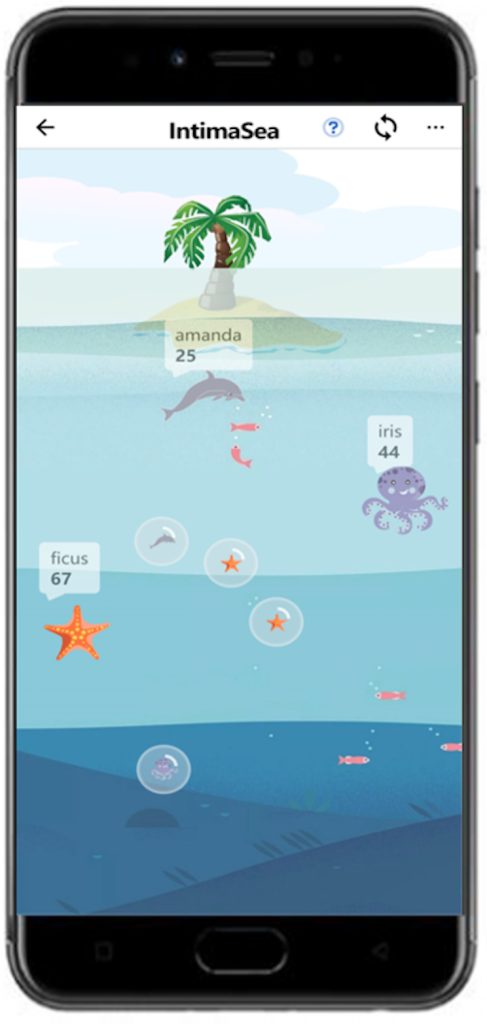
The team used their findings to develop an app to help people with severe mental illness self-manage their type 2 diabetes. The intervention includes a workbook to include those who are reluctant to use technology. It will now be evaluated in a UK-wide trial.
Dr Carswell said: “Many people are reluctant to engage with services because of previous distressing healthcare experiences, so a more proactive approach is needed for their care.
“It is clear we need a shift in thinking to allow people with severe mental illness more support, flexibility with appointments and follow-ups with the patient to see how they are managing their longer-term health.
“If we do not see these changes, then health inequalities will continue to increase for this vulnerable group of people.”