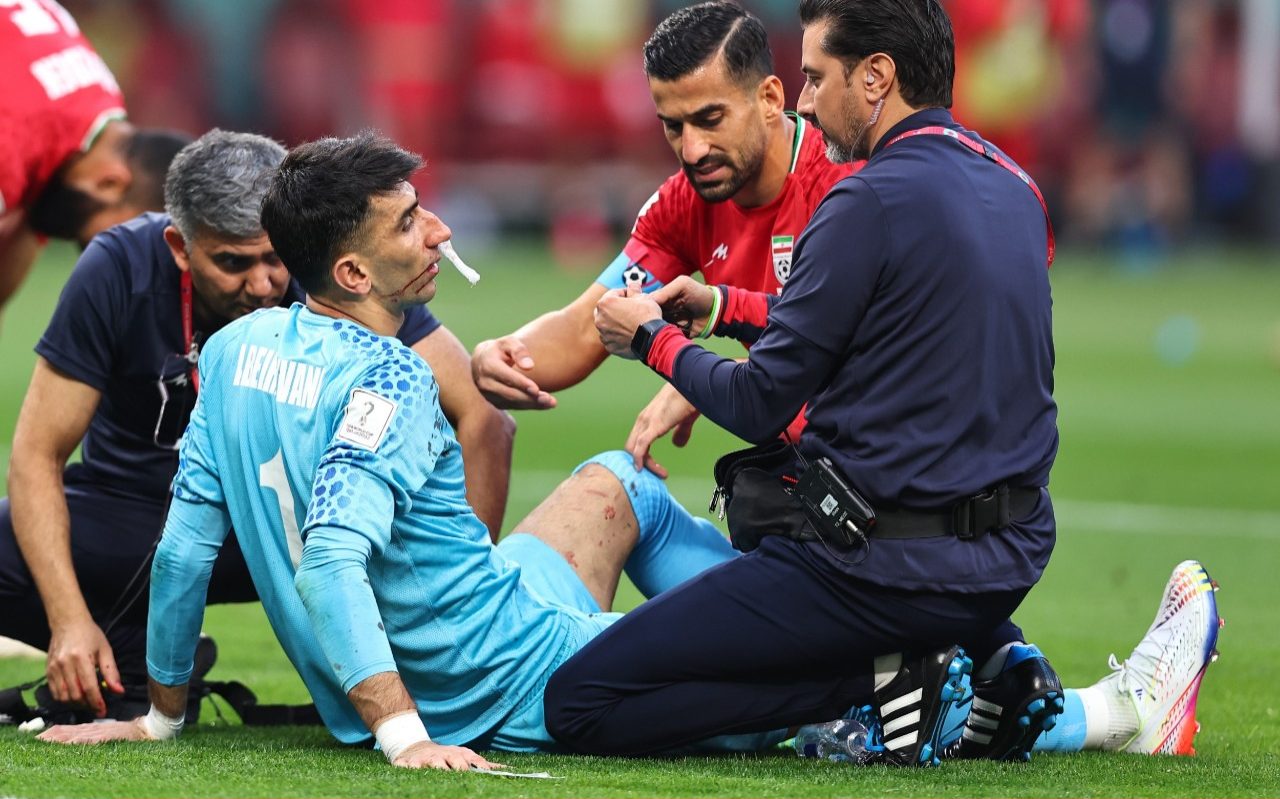
Heading ‘has immediate impact on brain function’
New study could help shed new light on football's link with neurodegenerative disease
New study could help shed new light on football's link with neurodegenerative disease
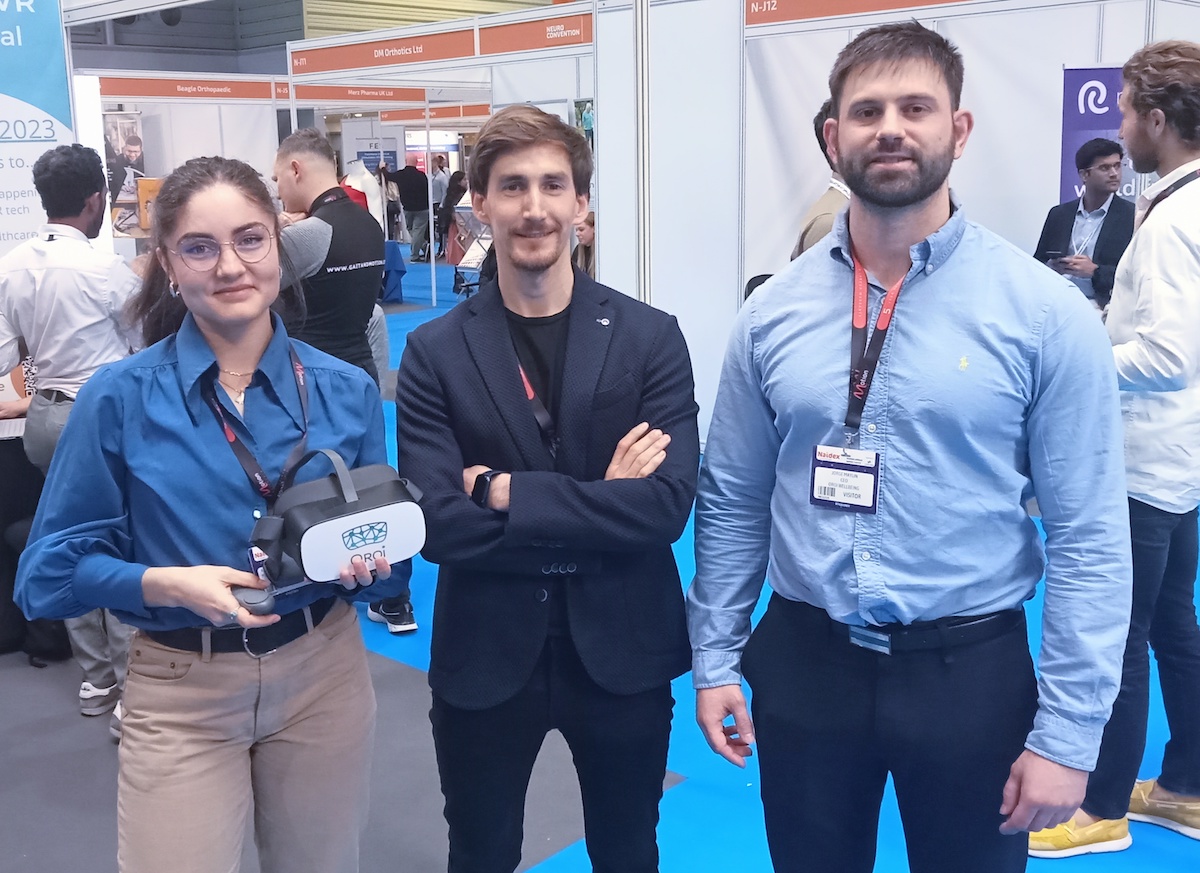
Andrew Mernin heads to Birmingham to meet the experts, inventors and pioneers seeking to advance neuro-rehab this year. A health journalism cliché to emerge from the pandemic is that medical organisations – whether tech, care, pharma, research, private or public – are more collaborative now. Contributing to this idea was the relative swiftness with which vaccines were developed, thanks to various vast health and life science agents working together more closely than ever before. Also a uniting power were the challenges of social distancing and the new ways of working they forced. Any visitor to the Neuro Convention, in Birmingham, UK, could see plenty of examples to back up the case for this post-pandemic spirit of collaboration. It is a fact, however, that the neuro-rehab sector has always been more collaborative than many other healthcare fields even before the pandemic. Managing catastrophic injuries, brain and spinal conditions and complex disabilities requires a cast of professionals and innovators. They coalesce for the common good in many ways, including in multi-disciplinary teams and through the assembling call of the case manager. Here at the mammoth National Exhibition Centre (NEC), the Neuro Convention is taking place alongside Naidex, the UK’s national accessibility, inclusion and disability expo. While a whistlestop tour through the latter is dominated by slickly presented mobility tech and accessibility vehicles, it is exoskeletons and robotics that catch the eye on first entering the NC23. Organisers have created an area dedicated to these technologies – less a market square of product makers peddling their wares and more a futuristic zone with a helpful cast of rehab robotics innovators and tech-savvy neuro physios.
New study adds further evidence of risk of neurodegenerative disease to professional players, and that position is a key factor
Travel can exacerbate symptoms and lead to longer recovery times, new study of rugby players reveals
New study reveals the long-term impact of concussion on cognitive performance
International governing body again rejects temporary concussion substitutions in football
Despite health disparities, legislation changes could empower brain injured domestic [...]
Chance of high blood pressure rises in step with the number of concussions footballers sustain during their careers
The international nongovernmental organisation PINK Concussions will host top brain [...]
Other Aspect Health Media Titles


Copyright © 2025 Aspect Health Media Ltd