Concussion study sheds light on dire complication
Pioneering concussion research has revealed a dire, unknown effect of even mild brain injuries.
Even mild concussions cause severe and long-lasting impairments in the brain's ability to clean itself of toxins, and this may seed it for Alzheimer's disease, dementia and other neurodegenerative problems, new research from the University of Virginia School of Medicine suggests. The discovery offers important insights into traumatic brain injury (TBI), a poorly understood condition that has become a major public concern, particularly in sports and for the military.
Why redefining who you are after a brain injury could be the most important aspect of recovery
By Rae Hughes, clinical psychologist and Pete Fleming, clinical tutor and consultant clinical neuropsychologist.
Adjusting to life after a brain injury involves coming to terms with, and adapting to, changes, which often span multiple areas of a person’s life, such as hobbies, employment, and interpersonal relationships.
Understandably for many individuals, their life following a brain injury can look completely different to before.
Stroke risk similar in Covid-19 and the flu, research finds
The Covid-19 pandemic has caused growing concern around the associated neurological risks, including stroke. Researchers set out to understand the short-term risk of stroke among patients hospitalised with the virus.
Ramin Zand and Vida Abedi, researchers from the Geisinger Health System and authors of the paper, told NR Times: “Since the emergence of the pandemic, several cases of cerebrovascular events were reported among patients with SARS-CoV-2 and highlighted in the news. However, these observations were based on small studies or limited observations and a large multinational study was needed to have a clear answer.”
The improv class for people with brain injuries
One community charity has been running improvisation classes for its members online since the start of the pandemic. Editor Jessica Brown drops in on a class to meet the members thinking on the spot.
I opened the Zoom call to 11 faces looking at me, waiting eagerly for the session to begin. But first, some ground rules. Keep the session positive, remember you can pass if you want to, and say the most obvious thing that comes to mind so you keep the momentum going. Now, the improv class, Let’s Make A Scene, could begin. The classes are led by Craig Werth, facilitator at the Krempels Center, a nonprofit community organisation that provides quality programs and services to people living with brain injury in New Hampshire, US.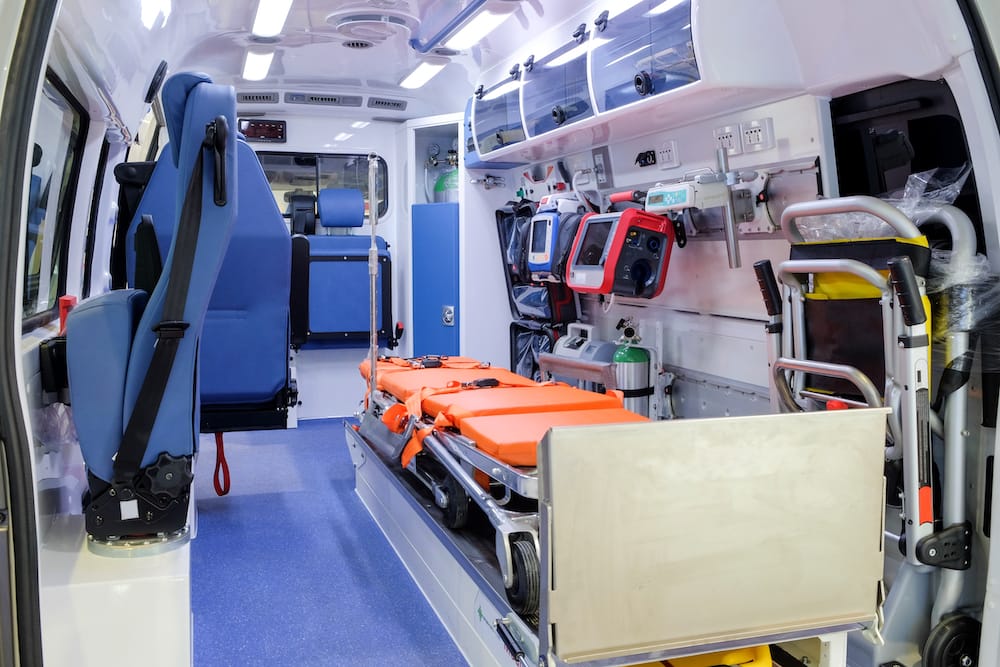
The paramedic on a mission to improve stroke care
It's widely agreed that the sooner a stroke patient receives help, the better their chances of survival, and the better their recovery. Graham McClelland has seen how strokes impact people in the most acute sense of the word. As a paramedic for the North East ambulance service, he dealt with stroke patients on the frontline. Now, he's trying to understand and improve the care people first receive when they’ve had a stroke.