


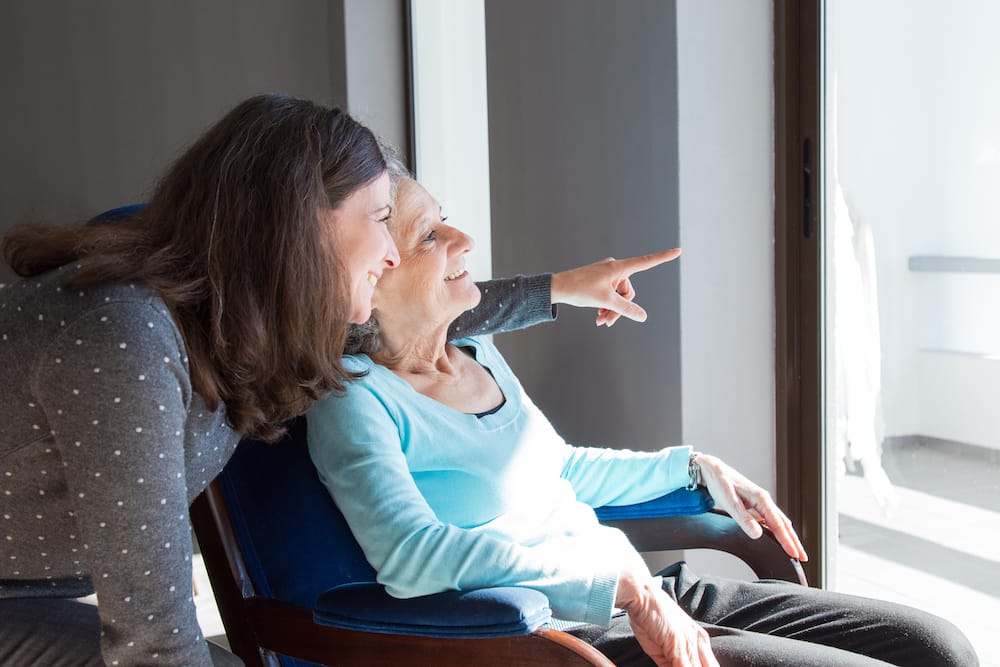

The relationship between music and running
By Daniel Thomas, joint managing director of Chroma Therapies
With its ability to produce new neural pathways, Neurologic Music Therapy is able to encourage movement, co-ordination, improve speech and language, and improve the ability to read/feel emotions, reactions and more, in people living with catastrophic injuries. This is because music automatically connects to the brain. And this automaticity is what makes music so powerful. Music also has to ability to push your training capabilities farther and faster especially in running. This is why a running playlist is the ideal accompaniment to any runner.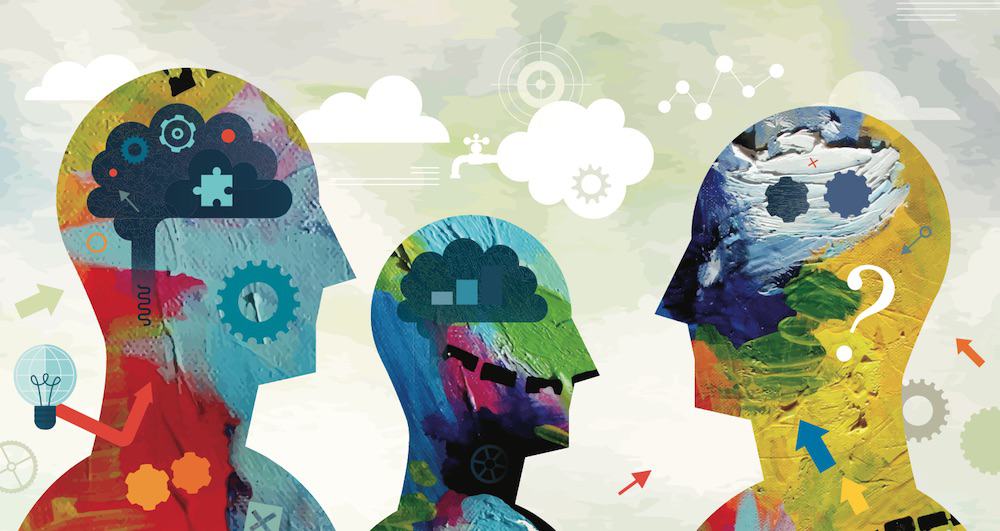
Concussion could lead to depression, ADHD, dementia and Parkinson’s – study
A new study has revealed a link between concussion and the risk of being diagnosed with attention-deficit hyperactivity disorder, mood and anxiety disorders, dementia and Parkinson’s disease later in life.
Despite 'clinical recovery' from concussion typically lasting one week, a team of researchers from the University of Manitoba suspected there may be longer term effects. They used 25 years of population-based health data between 1990 and 2015, involving almost 50,000 cases of concussion from people living in Manitoba, Canada.
Wales sets example of managing rehab in the pandemic
Neuro-rehab professionals acted fast in the coronavirus crisis, according to Chief Allied Health Professions therapies advisor for the Welsh government, Ruth Crowder.
“Instantly, we realised the implications of the pandemic,” she says. “We looked at what we could do remotely with services and developed a rehab framework really rapidly,” Crowder says. “We identified that this was going to become an issue, so Wales moved really quickly to implement a framework.” The Welsh government supported the introduction of ‘attend anywhere’ video consultation and telephone advice for primary care across a range of services across several provisions, including numerous Allied Health Professionals in neuro rehab. It’s been rolled out for a year to test its suitability, with a view to continue using it in the future, Crowder says.
How can clothing help people affected by brain injury?
Inclusive fashion may seem obvious to those with a disability, but the fashion industry has a long way to go, argues Emma McClelland, founder of inclusive womenswear label Kintsugi Clothing.
It seems strange that, while the fashion industry is often experimental and boundary-pushing, designers are reluctant to relinquish conservative practices elsewhere. Diversity on the runway is infamously poor. As you filter down to the high street, it improves slightly, with fractionally better representation of plus-size and disabled people. But the looks you see in shop windows aren’t usually designed inclusively, regardless of whether the model wearing them has a difference.
Neuro issues linked to coronavirus in children
Some children who have had severe cases of coronavirus may develop neurological issues, according to new research.
Researchers from Great Ormond Street Hospital for Children looked at 27 children who developed multisystem inflammatory syndrome, a severe inflammatory response that seems to be linked to Covid-19. Four of them experienced neurological conditions and had to be admitted to intensive care for an average of one week. Their average age was 12. These patients experienced headaches, confusion and muscle weakness, and had slowed activity in nerves and muscle fibres.
How new tech and an old concept are shaping stroke care
Not so long ago, stroke patients were told by doctors that their brains wouldn’t recover. Now, it’s a very different picture, says Niamh Kennedy, lecturer in psychology at Ulster University.
“Now we know this isn’t true, and that the brain is constantly changing,” she says. Kennedy’s research focuses on neuroplasticity, which is the concept that the brain can rewire itself. This has gone from an abstract concept to there being an explosion of research, she says. “Neuroplasticity was first talked about over 100 years ago, but it wasn’t until the last 20 years that researchers have begun thinking about how to utilise this extraordinary phenomenon.”
Researchers make baby test breakthrough
A blood test could predict whether babies starved of oxygen at birth are at risk of neurological-related disabilities and conditions including cerebral palsy and epilepsy.
Neonatal encephalopathy (NE) is the most common cause of death and neurodisability in babies that go to full term, with an incidence of between two and three per 1,000 live births in high-income countries, where up to 55 per cent of babies with moderate and severe cases of NE have adverse long-term outcome, according to the paper.
Rugby decision misleading, researcher claims
Research behind the World Rugby’s tackle-height trial was ‘dressing up corporate messaging as independent science,’ according to a researcher.
World Rugby made the controversial decision in July 2018 to trial lowering the height at which tackles can be made, changing the definition of a high tackle from above the line of the shoulders to above the armpit line. World Rugby introduced this trial on championship rugby players in the UK to test the hypothesis that lowering tackle height would lower concussion incidence. Five months later, it was stopped because of an increase in the risk of players getting concussion.
Police must be monitored for brain injury, argue researchers
“Most of the head injuries were from general life experience, such as contact or extreme sports, and some officers were ex-armed forces,” says Huw Williams, associate professor of clinical neuropsychology at the University of Exeter.
Those with TBI were more likely to have experienced post‐concussion symptoms, which was associated with greater severity of PTSD, depression and drinking to cope.


