Scottish MP talks rehab, criminal justice and out-of-work assessments
NR Times speaks with SNP MP, Lisa Cameron, about her background as a clinical psychologist and how long-term issues related to brain injuries are often overlooked.
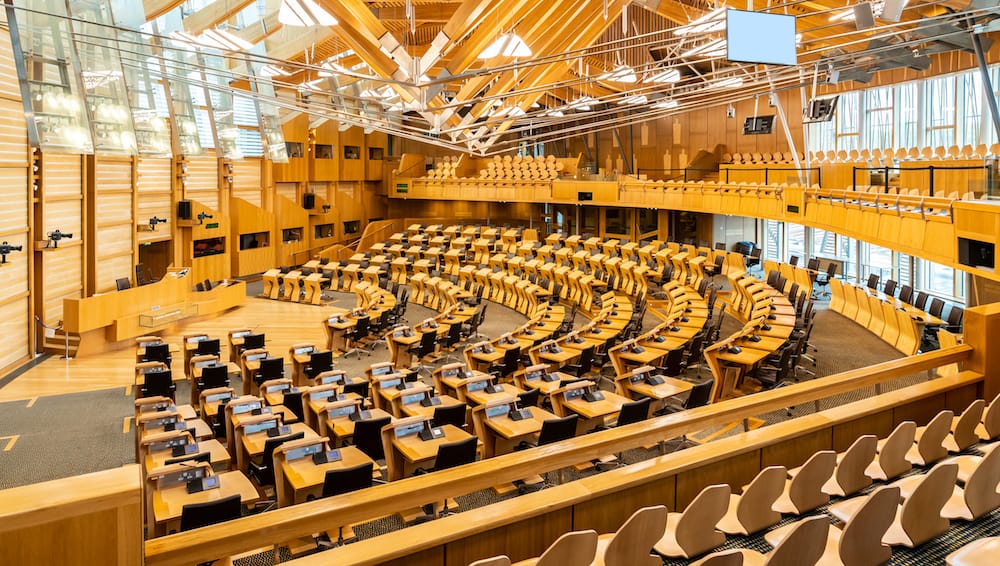
Lisa Cameron's attention is on countless important issues in her role as SNP MP for East Kilbride, Strathaven and Lesmahagow in Scotland, but she tells NR Times why she is particularly interested in policies relating to brain injuries. Before becoming an MP, she previously worked as a consultant clinical psychologist and is chair of the All-Party Parliamentary Group on Disability. “When I was working as a psychologist, I was undertaking assessments of people with brain injury in relation to memory, executive function and language,” she tells NR Times.
From intensive care to a degree in art: one woman’s brain injury journey
Lorraine Currie has watched her daughter recover from a serious brain injury and go on to exceed her expectations. She tells NR Times what it’s been like to see her daughter’s slow recovery.
When she was just 17 years old, Grace was hit by a car as she crossed a small village road after finishing college. She suffered a severe head injury and was resuscitated twice at scene. After being taken to Shrewsbury hospital, her only hope was to be transferred to Stoke hospital, which is a regional trauma centre, who accepted Grace even though it didn’t have a bed.
The neuropsychologist teaching tai chi
When lockdown began, many people with a traumatic brain injury (TBI) were faced with their treatment and support being paused, or having their face-to-face services moved online.
Giles Yeates, consultant clinical neuropsychologist and tai chi instructor, spoke to NR Times about how he’s wasted no time in moving his classes online. Yeates hosts online tai chi classes, which are streamed live on the charity Different Strokes’ Facebook page and YouTube channel. The classes are moderated by Alison Smith, who had a stroke last year. Tai chi involves physical routines to strengthen the body and improve flexibility, achieve regulated breathing and focus on the body to improve inner energy, which in turn, is believed to improve circulation. It’s based on attaining a flow state of mind, which is said to be achieved when people become fully immersed in what they’re doing.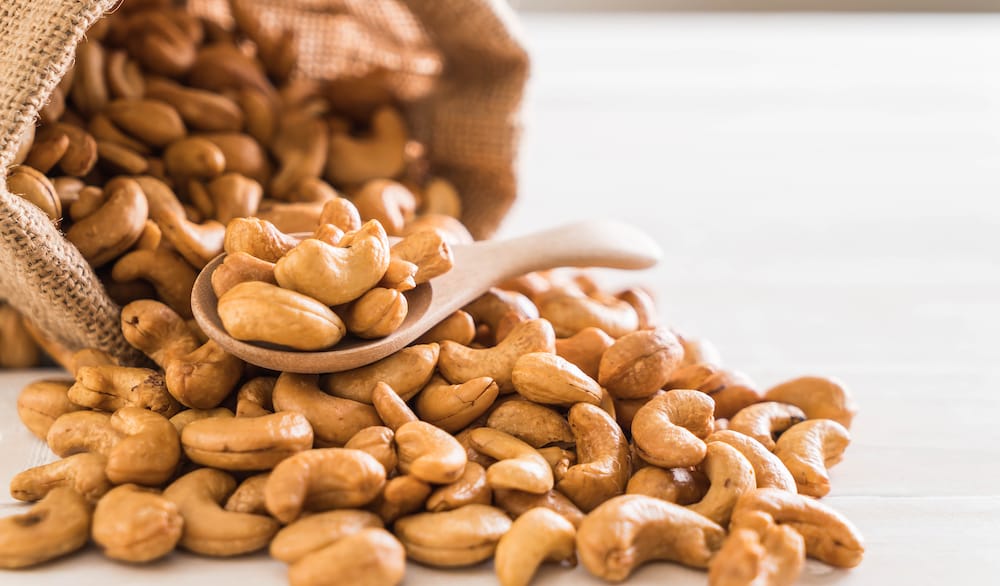
Cashew nuts could help treat multiple sclerosis
Researchers have found that a chemical compound found in the shell of cashew nuts could repair myelin, which could have benefits for the treatment of autoimmune disorder multiple sclerosis (MS).
In lab experiments, researchers from Vanderbilt University Medical Center in Nashville, US, found that anacardic acid could help in the treatment for demyelinating diseases, which cause damage to the protective covering surrounding nerve fibres in the brain, optic nerves and spinal cord. Anacardic acid is known to inhibit an enzyme involved in gene expression called histone acetyltransferase, and whatever inhibits this, induces the production of IL-33. Researchers already knew that IL-33, a chemical made in response to injury, induces myelin formation, and is therefore an immune response regulator. MS and other neurological disorders stem from damage to myelin.
Five ways Covid-19 may change litigation
Litigation, as with the world in general, has changed significantly in 2020. We could not have ever possibly foreseen how during this year we would all have to move rapidly to working remotely and digitally. It may well have accelerated changes in many firms towards digitalisation and a more agile way of working. It is likely that solicitors sitting behind desks each day in a crowded office might be a thing of the past.
How will this huge change which has been thrust upon us affect the way we run our cases? Inevitably, there will be changes which are obvious; for example there are very likely to be more remote court hearings.