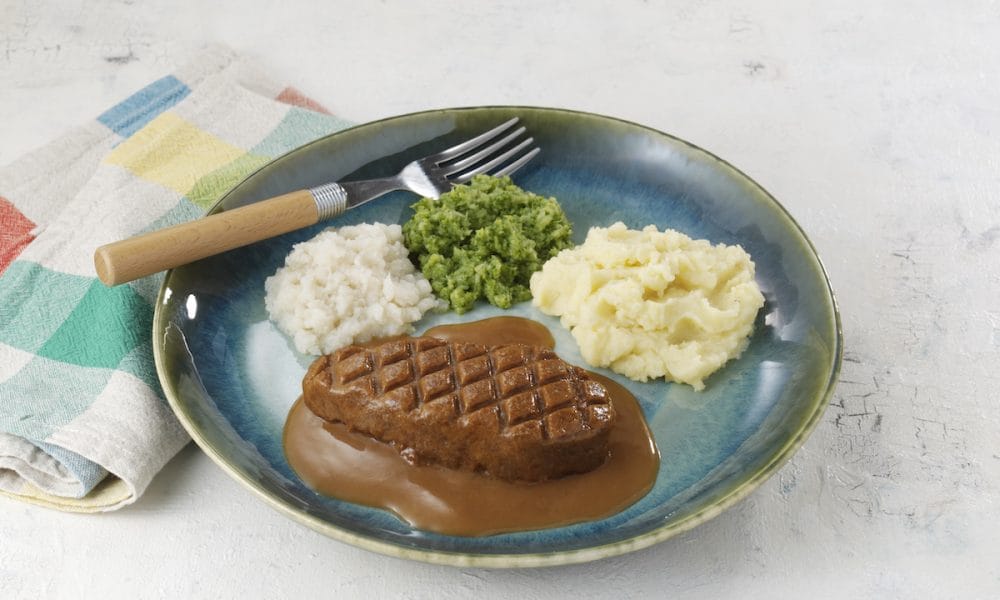
Being diagnosed with dysphagia (also referred to as swallowing difficulties) can be an overwhelming feeling. From diagnosis to understanding which foods are safe to eat, here Wiltshire Farm Foods shares tips and advice on living with the condition.
Being Diagnosed with Dysphagia
Once you are diagnosed with dysphagia, your Speech and Language Therapist may recommend that you amend your diet. This will involve modifying the textures of the food you consume, making it easier and safer for you to swallow.
Food Descriptors
The texture of food you should eat are identified via food descriptors. These are names and texture descriptions that are organised into levels. This is set by IDDSI (The International Dysphagia Diet Standardisation Initiative) guidelines, which are on a continuum scale. Following your swallow tests, your Speech and Language Therapist will be able to identify the best level for you.
Foods to avoid with Dysphagia
Once you have been diagnosed with dysphagia, it’s important to avoid foods that are a high risk for anyone living with swallowing difficulties. The foods you or a loved one consumes should be prepared and made in line with the IDDSI guidelines, recommended by your Speech and Language therapist. Following these guidelines will make food safer for consumption.
Swallowing Safety Tips
There are a few measures you take to help ease your journey of eating with dysphagia.
- Ensure the food you are consuming is of the right texture, recommended by your Speech therapist.
• Take small spoonfuls.
• Take regular sips of drink during your meal, please note your Speech and Language Therapist may also recommend that you modify the texture of fluids too and you should always follow their guidance.
• Take your time and don’t rush when eating.
• Use ready meals that are pre-prepared at a texture that is right for you.
Managing Dysphagia at Home – Cooking Tips
If you are cooking textured modified meals at home for any level, you should be aware that not all foods are easy to blend. Here are a few tips to help:
- Take a look at Wiltshire Farm Foods’ blog post on foods to avoid with dysphagia to see foods and ingredients you may need to avoid.
• You may need to add water to aid the blending process but be aware of the volume of water you are adding. Whilst you need the texture to be safe first and foremost, if you are adding too much water you will be reducing the nutritional value of each mouthful. This can be a particular issue if you have a smaller appetite.
• Check foods to ensure they are free from lumps, skins, seeds and pips that could potentially pose a threat.
Weight Management
Living with dysphagia can often make mealtimes challenging and sometimes result in other unwanted consequences. Dysphagia may result in a reduced appetite and could put you at risk of malnutrition.
When you are initially diagnosed with dysphagia, it may take time getting used to the new texture of food that you have been advised to eat. Identifying food that is compliant with your appropriate texture, taking the time to make the meals safe and finding what food you like can be difficult. That’s why it’s important to make sure you’re getting all the nutrition you need to help you avoid malnourishment.
Having won a Craft Guild of Chefs Award and Queen’s Award for Innovation, Wiltshire Farm Foods’ prides itself on creating and delivering texture modified meals that are ideal for anyone living with swallowing difficulties. Simply pop your ready meal in the microwave or oven and say goodbye to home blending or washing up! For more visit: www.specialistnutrition.com