About Andrew Mernin

This author has not yet filled in any details.
So far Andrew Mernin has created 640 blog entries.

United by art – and brain injury

In a studio in East London, a studio full of artists get to work, with one small difference – they all survived a traumatic brain injury. Photographer Leon Foggitt tells NR Times about his experience capturing the artists.

More than four years ago, photographer Leon Foggitt spotted an article about a collective of artists who’d survived a brain injury, and there was a charity where they could learn to be artists. He was intrigued.
By |2024-07-04T17:46:09+01:0018 October 2020|News, Brain injury|

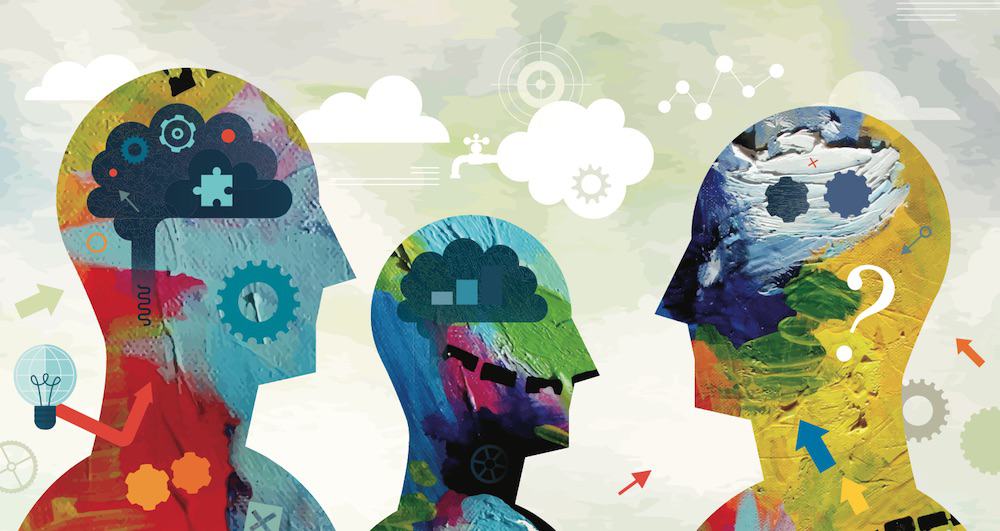
Neuroplasticity / brain retraining programme effective in fibromyalgia

A new study has given hope that a 'brain retraining' approach could be effective in treating fibromyalgia. Globally it is estimated that at least 2% to 5% of the population suffer from this complex pain condition in some form, and until now there has been a lack of effective treatments. But a novel neuroplasticity treatment known as “amygdala and insula retraining” was delivered in addition to mindfulness, in a combination known as MAIR, or the “Gupta Programme”. It was tested for eight weeks against a control group engaging in an equivalent amount of relaxation techniques.
By |2024-07-04T17:46:09+01:0017 October 2020|News|

Astrocyte study presents new treatment possibilities

Regeneration of functional new neurons to repair injured human brain is a long-term unsolved problem up till today. The lack of neuroregeneration is one of the major reasons why so many brain disorders such as stroke and Alzheimer's disease do not have a cure yet.

A research team led by Prof. Gong Chen at Jinan University (Guangzhou, China) published a work in Neural Regeneration Research, providing unambiguous data that brain internal astrocytes are directly converted into neurons through lineage tracing studies. Using brain internal astrocytes, a type of supporting cells to neurons, to directly convert into new neurons is an innovative brain repair technology that may benefit millions of patients worldwide.
By |2024-07-04T17:46:09+01:0016 October 2020|News|

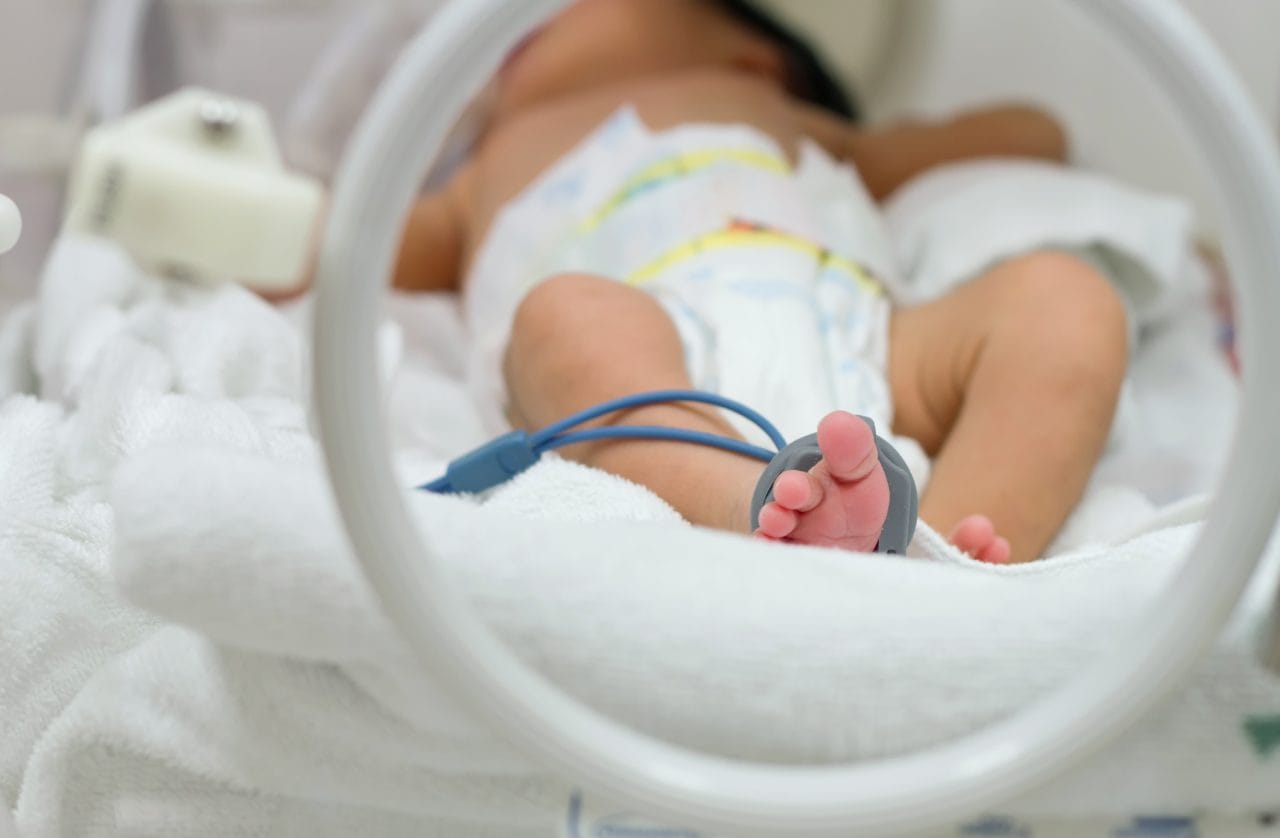
Using machine learning to predict pediatric brain injury

When newborn babies or children with heart or lung distress are struggling to survive, doctors often turn to a form of life support that uses artificial lungs. This treatment, called Extracorporeal Membrane Oxygenation (ECMO), has been credited with saving countless lives. But in some cases, it can also lead to long-term brain injury.

Now, a research team led by scientists in the US - at  UT Southwestern in Texas - has shown that a machine learning program can predict, more accurately than doctors, which babies and children are most likely to suffer brain injury after ECMO. "Doctors have always had some intuition about who might be at risk, but until now we really haven't had good data to pinpoint what factors are precipitating brain injury from ECMO," says study leader Lakshmi Raman, associate professor of paediatrics at UT Southwestern and a critical care specialist at Children's Health.
By |2024-07-04T17:46:09+01:0016 October 2020|News|

The mental health impact of pandemics for front line health care staff

Mental health problems such as Post-Traumatic Stress Disorder, anxiety and depression are common among healthcare staff during and immediately after pandemics – according to new research from the University of East Anglia.

Researchers investigated how treating patients in past pandemics such as SARS and MERS affected the mental health of front-line staff. They found that almost a quarter of health-care workers (23.4 per cent) experienced PTSD symptoms during the most intense ‘acute’ phase of previous pandemic outbreaks – with 11.9 per cent of carers still experiencing symptoms a year on.
By |2024-07-04T17:46:10+01:0016 October 2020|News|

Stroke patients defy the odds, despite being given no hope

More than four out of five (85%) stroke survivors have reported being told that their recoveries would be limited to within the first year after their stroke according to a survey conducted by the Stroke Association pre-Covid-19.

Stroke survivors also said as a result, this has left them despairing about their recovery. When told about the timing of their recovery: Almost all stroke survivors reported feeling low (91%), worried (91%) and afraid (90%) Over three quarters (77%) of stroke survivors felt angry. One in five (20%) stroke survivors did not feel any hope at all. The charity is releasing these new findings as part of its Rebuilding Lives campaign to highlight the importance that hope plays in people’s recovery.
By |2024-07-04T17:46:10+01:0016 October 2020|News|

COVID report warns of neuro failings

Neuro patients are suffering "avoidable, unnecessary disabilities” through a lack of access to specialist rehabilitation during the COVID-19 pandemic, new findings have revealed.

With the country plunged into lockdown in March, therapists were redeployed into critical support roles across the NHS and tens of thousands of patients across the country saw the cancellation of sessions and appointments crucial to their ongoing recovery, with reports that many regressed due to the lapse in support. Recent research from the Stroke Association revealed that through the lack of access to therapy resources during the lockdown period, “many could lose out on the opportunity to make their best possible recovery”, which neuro professionals have confirmed extends beyond stroke patients and affects their whole clientele.
By |2024-07-04T17:46:10+01:0015 October 2020|Uncategorised|

“We refused to furlough and and supported staff like our clients”

Despite the significant pressures caused by the COVID-19 pandemic, Neuro Case Management UK (NCMUK) declined the opportunity to furlough any of its near 100-strong team. Martin Gascoigne, founder of the Sheffield-based business, explains more.

As a family-owned case management company, one of the biggest of our kind in the UK, we have built our reputation on providing a first-rate service in a caring and compassionate way. Care and compassion are values which run deep for all of us here and we appreciate the great efforts our team go to for our clients. So in times when the going gets tough, we will always show we’ll support them every step of the way.
By |2024-07-04T17:46:10+01:0015 October 2020|Case management, News|

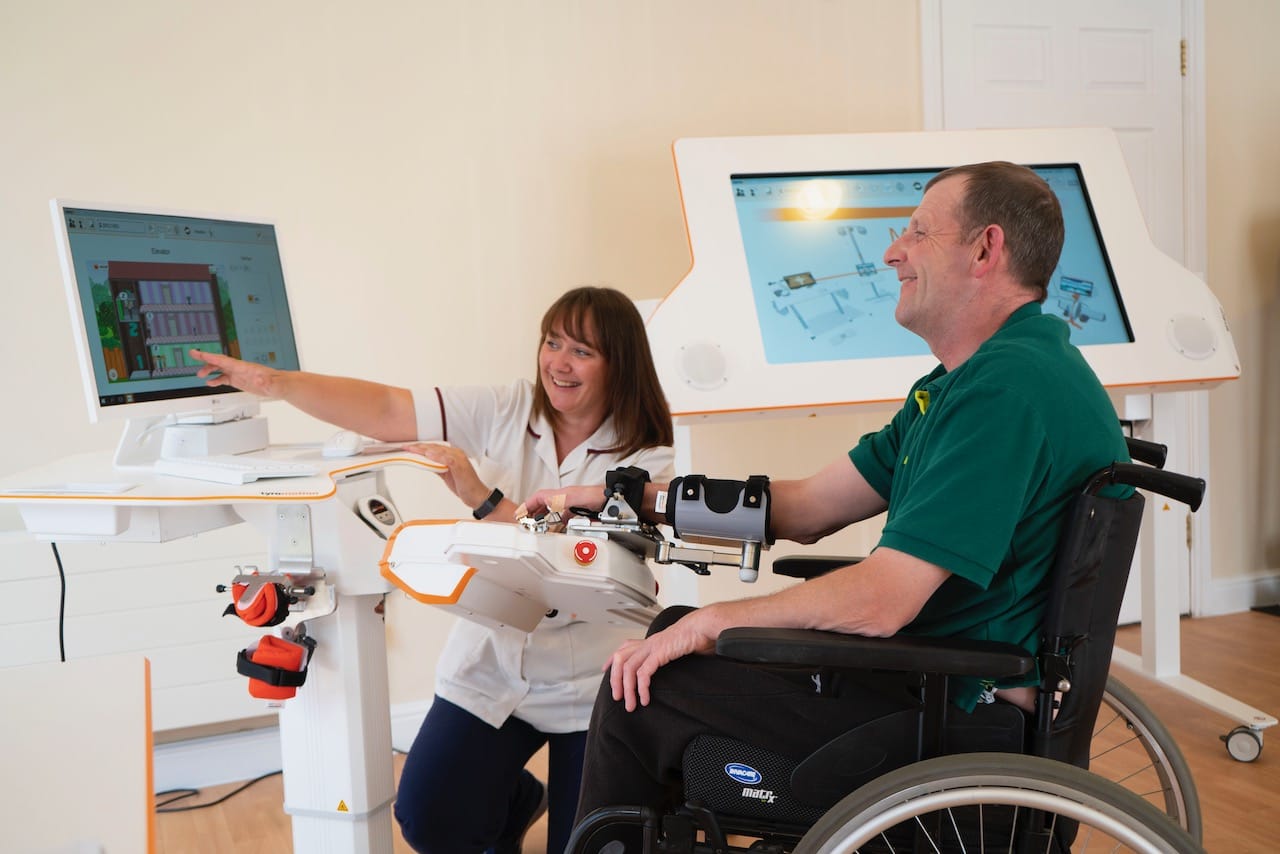
How robotics are creating new possibilities at Askham

Robotics are being used to enhance patient rehabilitation goals in a residential neuro-rehab setting for the first time, with one UK provider revealing its significant investment is already paying dividends.

Askham Village Community introduced robotic devices in June, creating Askham Rehab, a specialist rehabilitation service which incorporates cutting-edge devices and sensor-assisted technology to extend rehab provision to patients. Having been introduced during lockdown, as well as the innovative new rehab practices adopted at the centre in Doddington, Cambridgeshire, Askham also reports the morale boost it delivered to staff and patients alike, during a difficult time for many.

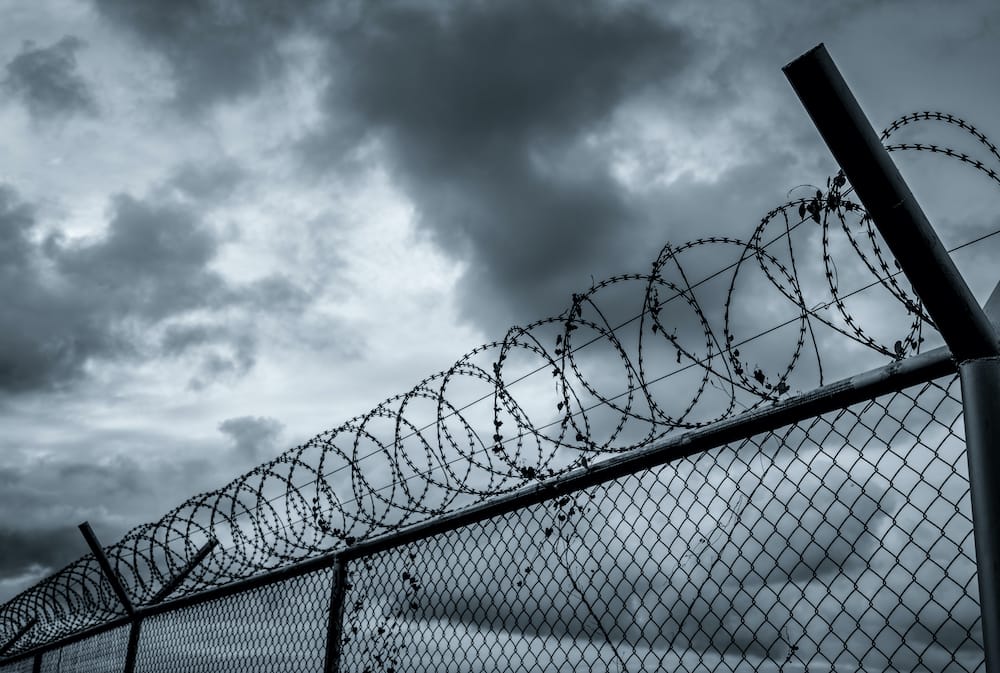
All prisoners to receive brain injury screening

All prisoners in England are to be screened for Acquired Brain Injury (ABI) sustained through domestic abuse from April 2021, it has been confirmed.

The announcement comes after a long-standing campaign and five years of research to highlight the issue of ABI in the prison system. This work has shown that early identification of an injury could help those working within the prison estate to better support men and women to engage with rehabilitation programmes and services designed to help prevent reoffending.
By |2024-07-04T17:46:10+01:0015 October 2020|Brain injury, News|
Go to Top