Through the creation of BelongMS, people living with Multiple Sclerosis around the world are being supported in new and innovative ways. Its co-founder and CEO, Eliran Malki, shares the reasons for its foundation and the impact it is delivering
People who live with a chronic medical condition are often faced with a difficult choice: succumb to the condition or be proactive in managing it. Evidence shows that where sufferers are actively engaged, they maintain better mental health, which in turn has a positive effect on their physical health. The challenge is knowing where to turn to get the support that is best suited to their unique condition.
Regular video calls help with lifestyle changes to reduce dementia risk in older people, a lockdown-inspired research project has found.
A pilot project involved 12 participants being invited to 10 group Zoom calls, between July and September 2020, to plan lifestyle changes they could make to reduce dementia risk. They attended over 80 per cent of sessions, and met four of the five goals they set themselves, UCL have reported. Most participants had not used video calling before. The sessions were facilitated by graduate mental health workers from UCL, with a facilitator from a third sector charity. Facilitators were not from clinical backgrounds and received a short training course and regular supervision from a clinical psychologist.
For seriously injured military personnel, the options around rehabilitation are increasing further with plans for a new National Rehabilitation Centre. Matthew Tomlinson and Rachel Seddon, from the military team at Slater & Gordon, discuss the importance of access to specialist support
For the majority of readers, initial treatment for their serious injury or illness will likely come from our exceptional NHS’ regional acute hospitals. When clinical rehabilitation, to assist those seriously injured is required, it is widely recognised that timely and tailored support is necessary to maximise the potential to return to a quality of life, and minimise further problems down the line. This is significant in relation to an individuals’ physical and mental health. Getting people back to a meaningful life and capability following serious injury is a major policy area in Government.Return to work rates for people experiencing serious injury and trauma in England are below rates achieved in other European countries as well as rates achieved in the Armed Forces.
An eight-year-old boy has rallied his family to join him on a 330-mile charity challenge to safeguard a life-changing spinal cord injury rehabilitation programme which has supported him.
Jasper Thornton-Jones was paralysed aged two after a spinal stroke. Key to his rehabilitation therapy since then has been the Neurokinex Charitable Trust, based near Gatwick. Jasper was the first paediatric client at Neurokinex when he started there in September 2016 on its Step Up Scheme. The initiative has proved life-changing for many patients, and offers a set of six free rehab sessions for adults and children with a new spinal cord injury. The scheme costs the Neurokinex Charitable Trust £420 per person to fulfil and relies on funding for its survival.
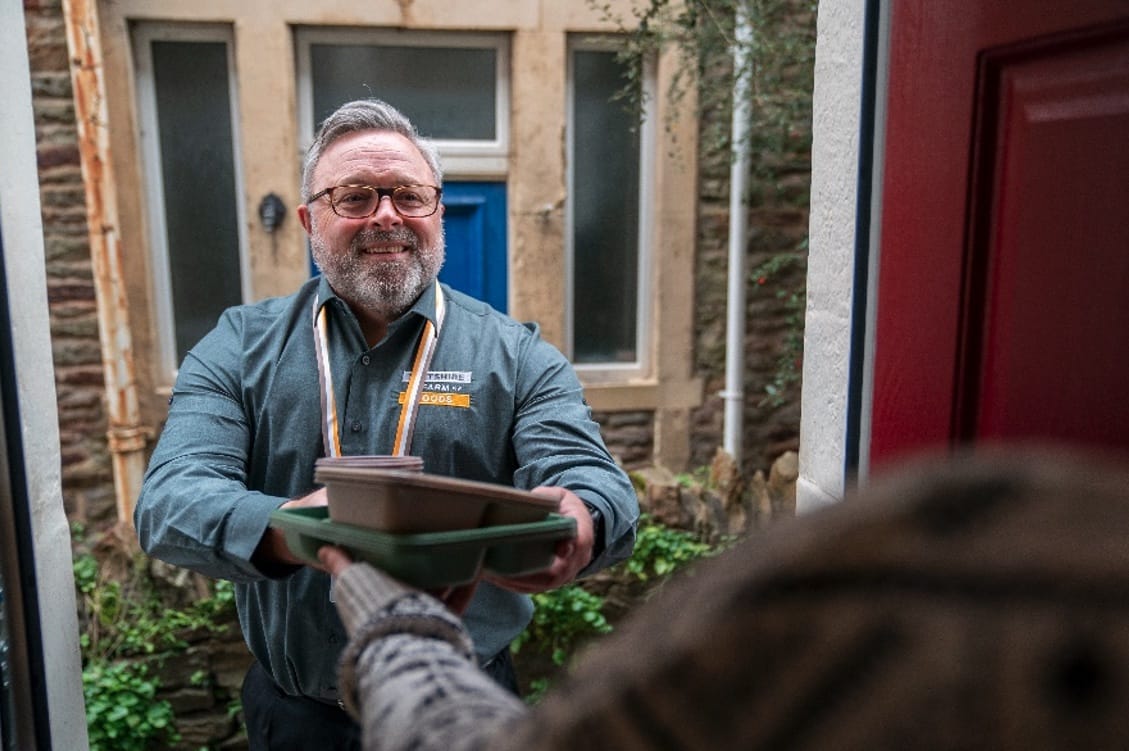
The UK’s leading supplier of home delivered ready meals has introduced 100 per cent recyclable trays, alongside a recycling collection service for its customers, as part of its commitment to protecting the planet.
Healthcare professionals can be assured that, in recommending Wiltshire Farm Foods to their service users, they are also advocating the reduction in food packaging as well as protection of the environment.
The trailblazing initiative involves collecting washed, used trays directly from customers and sending them back to a specialist recycling facility in Durham, where they are broken down to create brand new trays which are then redistributed to customers. It is this closed loop nature of the recycling process which makes Wiltshire Farm Foods the first company in the world to adopt the scheme on an industrial scale.
What began as a small Facebook group has now become the UK’s leading voice on Cauda Equina Syndrome.
The Cauda Equina Champions Charity is an active campaigner to achieve greater recognition of the condition, among medical professionals and the public alike, with a lack of knowledge leading to many people being undiagnosed and suffering in silence. The syndrome is a rare and severe type of spinal stenosis where the nerves in the lower back suddenly become severely compressed, and failure to diagnose and receive appropriate treatment can lead to greater risk of long-term consequences including incontinence or paralysis.
Motivation depends on how the brain processes fatigue, new research has revealed.
Willingness to undertake tasks is not static and depends upon fluctuating rhythms of fatigue, researchers from the University of Oxford and University of Birmingham have discovered. Fatigue – the feeling of exhaustion from doing effortful tasks – decreases motivation and makes people want to take a break. Although scientists understand the mechanisms the brain uses to decide whether a given task is worth the effort, the influence of fatigue on this process is not yet well understood.
The research team conducted a study to investigate the impact of fatigue on a person’s decision to exert effort and found that people were less likely to work and exert effort – even for a reward – if they were fatigued.
“I’ll be honest, when I set up I naively thought I’ll be a lone worker, working at home - I never imagined I’d need a succession plan.”
Like so many others who set up in business, Angela Kerr did not foresee the growth of her venture, AKA Case Management, when she set up in 2002. Having become one of the UK’s best-known case management companies, and with Angela increasingly in demand within the profession after being appointed chair of BABICM in 2016, she knew she needed to address the issue of the long-term future of her thriving business. And the solution lay in the form of Dawn Abernethy, a longstanding member of the AKA team, alongside Andrew Rose, who at that time was a new appointment to the business.
Securing new levels of insight into the human brain through AI-led 3D image creation is one of the first projects to be pioneered by the UK’s recently-launched most powerful supercomputer.
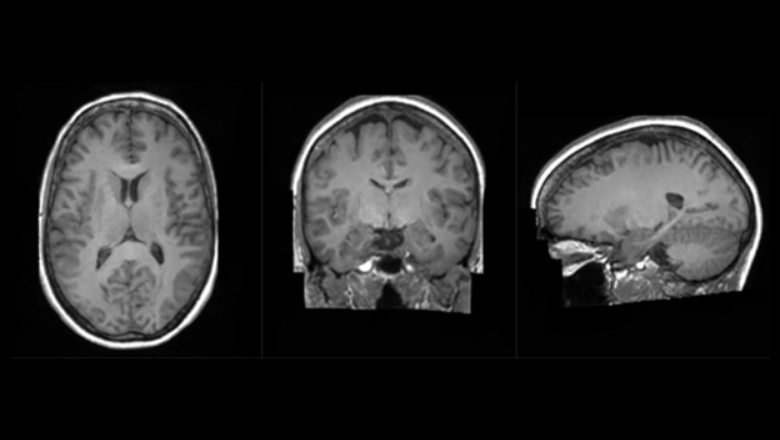
The Synthetic Brain Project focuses on building deep learning models that can synthesise artificial 3D MRI images of human brains. These models can help scientists understand what a human brain looks like across a variety of ages, genders, and diseases.
The aim of developing the AI models, using the Cambridge-1 supercomputer, is to help diagnose neurological diseases based on brain MRI scans, but it may also be used to predict diseases that a brain may develop over time and enable preventative treatment. The use of synthetic data has the additional benefit that it can ensure patient privacy since the images were generated, enabling the research to be opened up to the wider UK healthcare community.