When Lily had a stroke aged only eight, such a diagnosis never crossed her family’s minds. Here, her mum Natalie shares their story of rebuilding their lives and why they are committed to raising awareness of childhood stroke
Almost a year ago, in April last year, eight-year-old Lily was rushed to Queens Hospital in Romford after collapsing at home. “It was a Monday afternoon during the first national lockdown, and we were preparing to do some schoolwork,” recalls her mum, Natalie.
Women may be at increased risk of long-term physical and mental issues after a concussion, a new study has revealed.
In analysis of 2,000 people who sustained a head injury, women were found to be more likely than men to still have some symptoms a year later. These included memory and concentration problems, alongside headaches, dizziness or fatigue.
Young adults with disabilities are being supported in understanding and articulating their feelings, enabling them to increase confidence in themselves and their abilities, through a new innovation from two specialist neurorehab providers.
MyAbility was developed to enable young people to better understand their disabilities and express themselves, while allowing parents and carers to learn more about ways they can support them in doing so.
When Marie was diagnosed with a brain tumour shortly after the birth of her daughter Amelia, which left her facing three life-saving rounds of surgery, the family’s trauma continued when Amelia was also found to have a neurological condition. Here, Marie shares how positivity and practicality are the key to them getting through whatever lies ahead
"My daughter and I are the same - we both have special brains. I was living with my brain tumour when I was expecting Amelia, and probably had been for a long time - not that I knew about it. I’d had headaches for years, but it was only six weeks after she was born, when they became absolutely unbearable, that I found out what had been happening in my brain while I’d been getting on with my life.
Three new subtypes of multiple sclerosis (MS) have been identified by using artificial intelligence (AI).
The new MS subtypes were defined as 'cortex-led', 'normal-appearing white matter-led', and ‘lesion-led.'
The study, by scientists at UCL, has been hailed as potentially being key in identifying those people more likely to have disease progression and help target treatments more effectively.
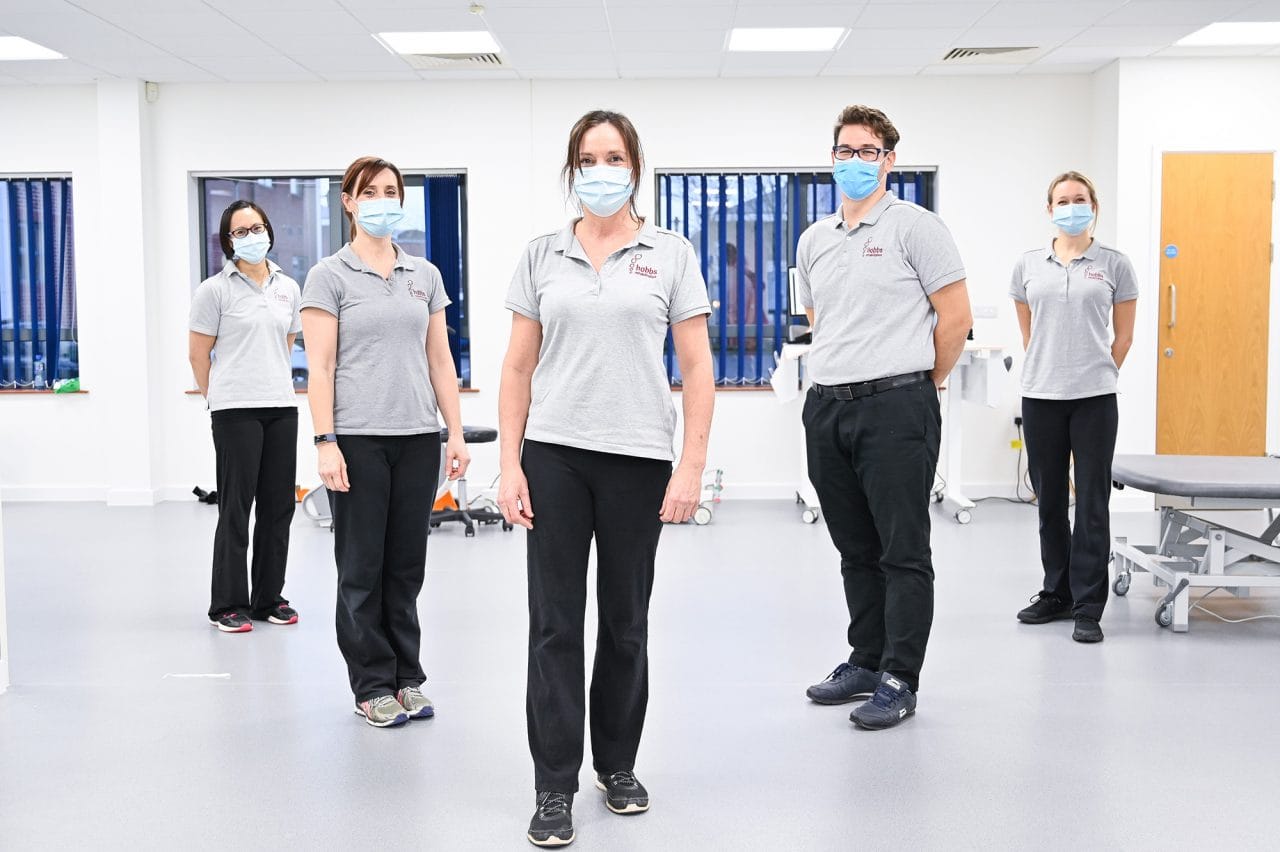
A rehabilitation specialist is expanding its offering through the opening of the first intensive neurotherapy centre in the south of England.
Hobbs Rehabilitation has invested £500,000 in its new Intensive Neurotherapy Centre in Bristol, which has given 2,000sq ft of space to more than double its level of technology available at its previous Bristol clinic. It also gives the potential to deliver a six-fold increase in the intensity of treatment, all backed by data to chart patient progress and outcomes.
A startup recruitment business is supporting the development of life-changing inventions in the neuro sector by sourcing the high-level talent to drive their ventures forward.
Hanison Green has established a niche as the only recruiter dedicated to neuromodulation and in its first eight months of trading has already helped globally-significant, early-stage businesses including ONWARD, the Swiss-based venture which hopes to launch devices within the next four years to enable paralysed people to regain the ability to move and walk. With a specialism in supporting startups within neuromodulation, Hanison Green is working globally from its London base, with a primary focus of supporting companies in the US and Europe.
Contracting COVID-19 increases the risk of developing neurological conditions including depression, dementia and stroke, new research has revealed.
One in three survivors of the deadly virus - 34 per cent - were diagnosed with a neurological or psychiatric condition within six months of being infected.
And for those who were admitted to hospital or intensive care, the risk became even higher, University of Oxford researchers found, at 39 per cent. This rose to 46 per cent in those who needed intensive care, and 62 per cent among people who had encephalopathy while battling COVID-19.
A hospital which supports people with brain injuries and degenerative neuropsychiatric conditions has invested to increase its capacity, bringing a further 12 much-needed beds.
St Peter’s Hospital in Newport now offers 51 beds across single-gender units, which provide person-centred assessment, specialist treatment and nursing care for men and women. The additional beds come after a significant investment from specialist care provider Ludlow Street Healthcare, which owns and runs St Peter’s Hospital.
A significant proportion of dementia deaths in England and Wales may be due to socio-economic deprivation, new research has revealed.
Such circumstances are also associated with deaths at a younger age due to dementia, as well as poorer access to accurate diagnosis also being uncovered. The research, led by Queen Mary University of London, examined Office for National Statistics mortality data for England and Wales, and found that in 2017, 14,837 excess dementia deaths were attributable to deprivation, equating to 21.5 per cent of all dementia deaths that year. The team also found that the effect of this association appears to be increasing over time.