


Brain injury

A further £3million is being committed to a programme to reduce brain injuries at birth, as the latest step towards halving the rate of brain injury during or soon after birth by 2025.
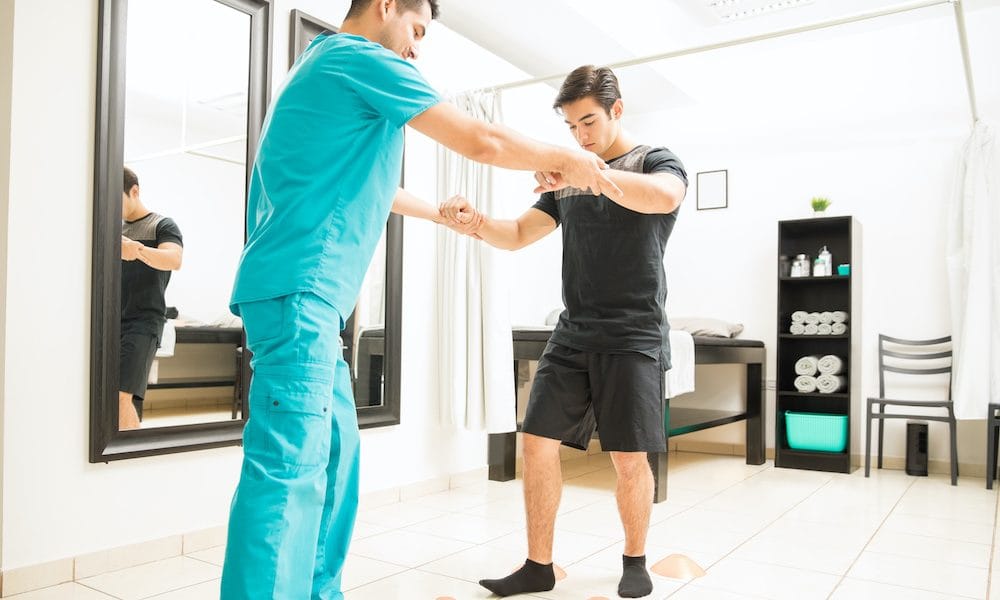
A first-of-its-kind study has assessed the neural mechanisms which cause balance dysfunction after traumatic brain injury (TBI).
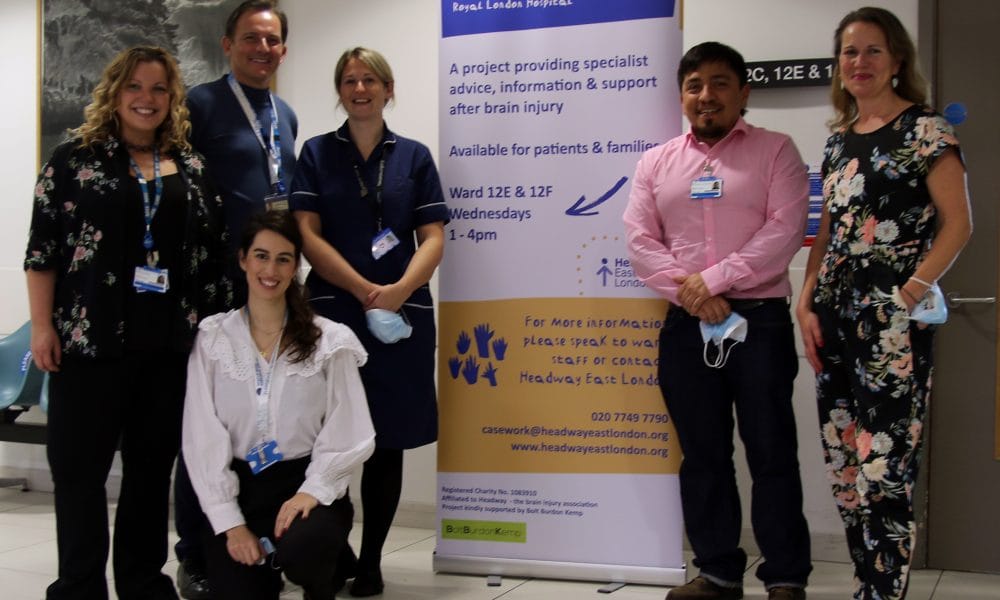
A new project has been launched to increase the levels of support to brain injury survivors and their families in the earliest stages of recovery.
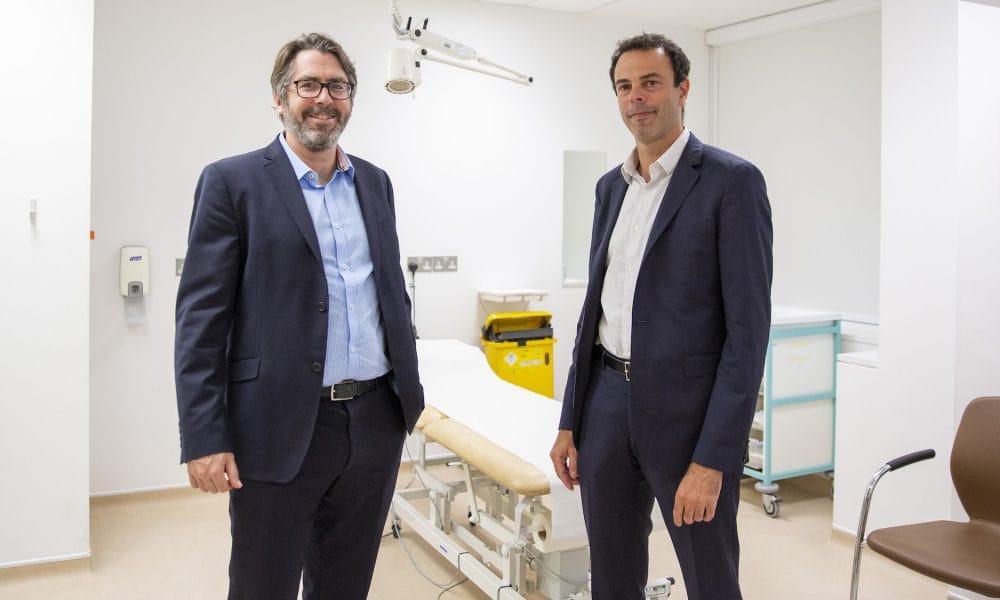
A dedicated clinic for retired elite rugby players who have concerns over their brain health, which will also help advance world-leading research into brain injury in sport, has opened in the UK.
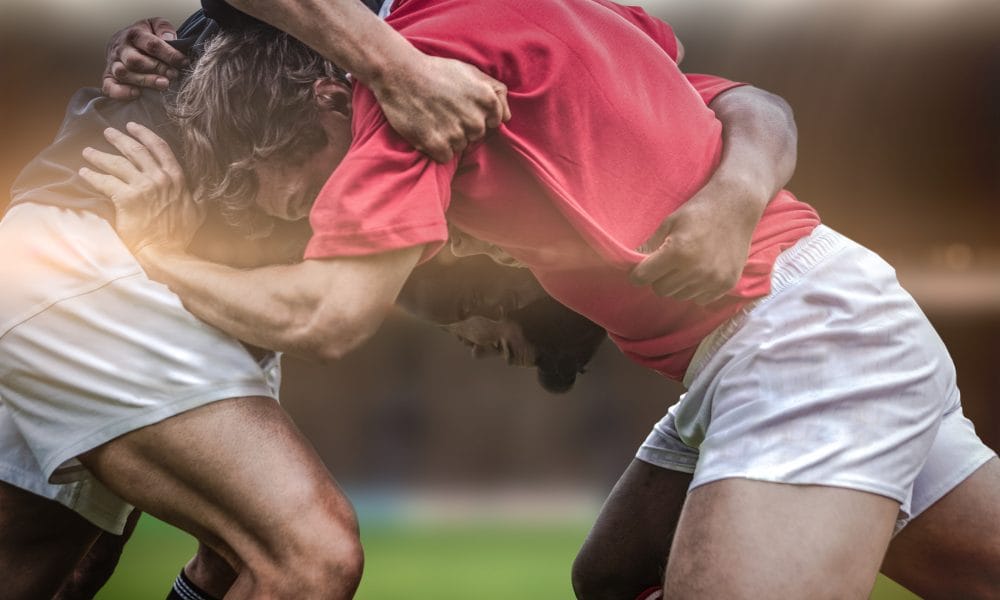
Rugby’s governing authorities are being urged to take “urgent preventative action” to protect players at all levels of the sport after new research suggests the game may have been safer in the pre-professional era.

Brain injury survivors can now access digital information from their GPs to help increase the levels of support and signposting currently available through a new partnership.

Views of concussion in society must be altered, alongside much-needed revision of protocols in sport - particularly at grassroots - if change in how head injury is viewed and dealt with is truly going to happen, says Dr Adam J White, executive director of the Concussion Legacy Foundation UK. NR Times learns more
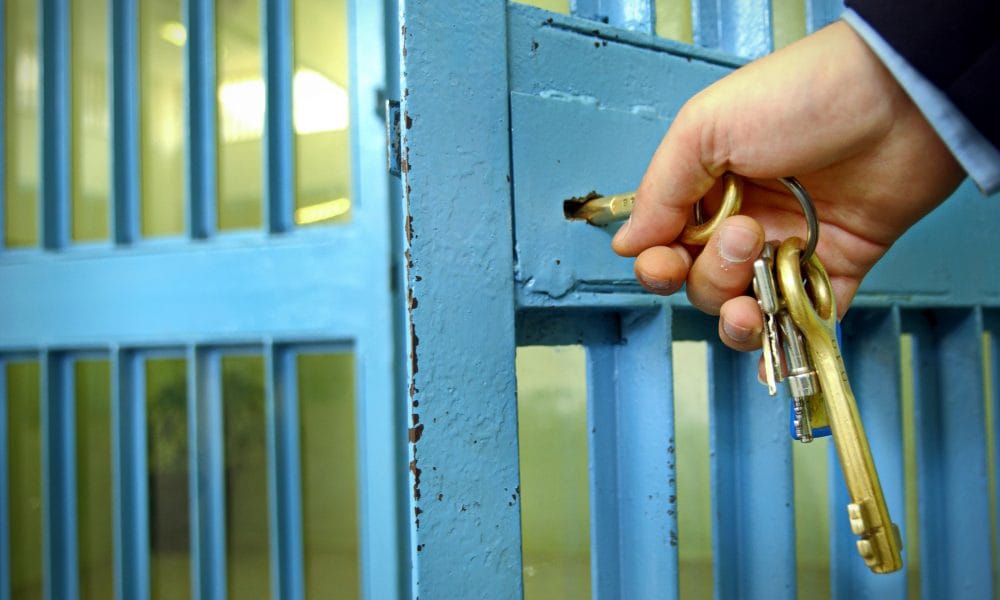
Brain injury in adult males, women and young people within the Criminal Justice System is up to five times higher than the general population. The Disabilities Trust has, over the last ten years, developed an innovative service to challenge the criminal justice system to adapt to the needs of individuals with impaired neurofunction due to a brain injury. Here, the charity's Linkworkers share what it is like raising awareness of this hidden disability in prisons

Improved assessment and treatment of concussions in school-aged children is the subject of a major new research project backed by $10million in funding.

A new gallery has been opened to display the artwork of people living with brain injury, after more survivors than ever before turned to art during the COVID-19 pandemic.


