


Brain injury

As one of the first organisations to recognise and react to the urgent need to address head injury in sport, The Drake Foundation has become a central player in the fast-developing debate over how to best protect players at all levels from the devastating later-life impact of neurodegenerative disease.

A project hailed as having the potential to revolutionise understanding of the consequences of repetitive head impacts and injury in sport is being launched in the US.

Traumatic brain injury (TBI) sustained by a woman during pregnancy can also harm her unborn baby, new research has discovered.

A new blood test can detect brain damage in people who have sustained head injury, and could help predict clinical outcomes and identify risk of dementia.

The importance of sportspeople donating their brains to research has again been hailed as a vital step in helping to better understand neurodegenerative disease, its causes and how it could be prevented.

The first-ever adult football match to restrict the use of heading has been held to raise awareness of the dangers of headers in football, prompting discussion and debate over the issue internationally.

Two senior figures at the PFA have pledged to donate their brain to research as part of the pioneering Concussion Legacy Project to protect future generations of players.

The first football match which involves no heading of the ball will help raise awareness and stimulate conversation about the impact of head injury in sport, its organisers have said.
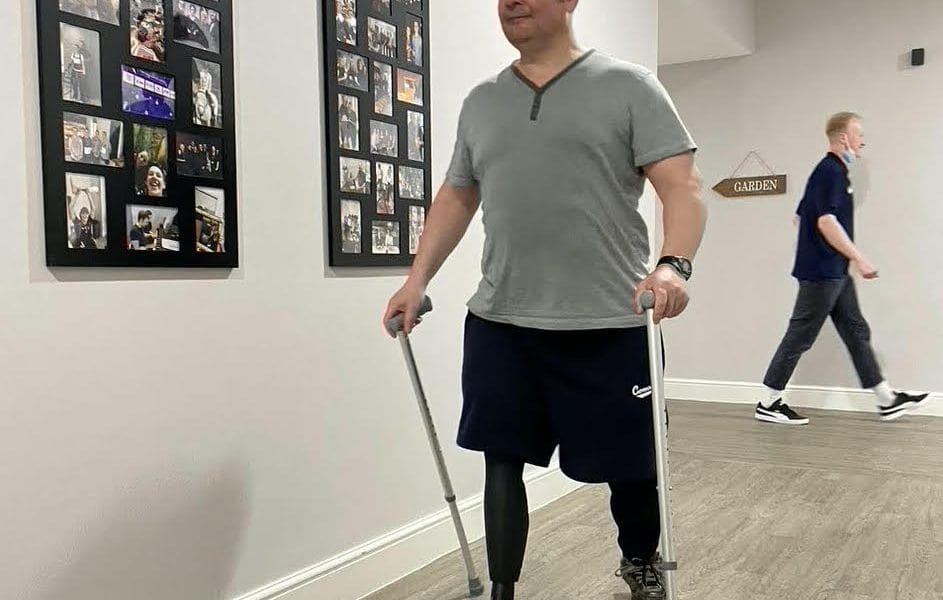
NR Times reports on how Chroma is helping amputees prepare for prosthetics through neurologic music therapy (NMT).

Computerised brain training can significantly improve cognitive performance in people who have sustained brain injury, even those who have lived with its consequences for years.


