


Brain injury
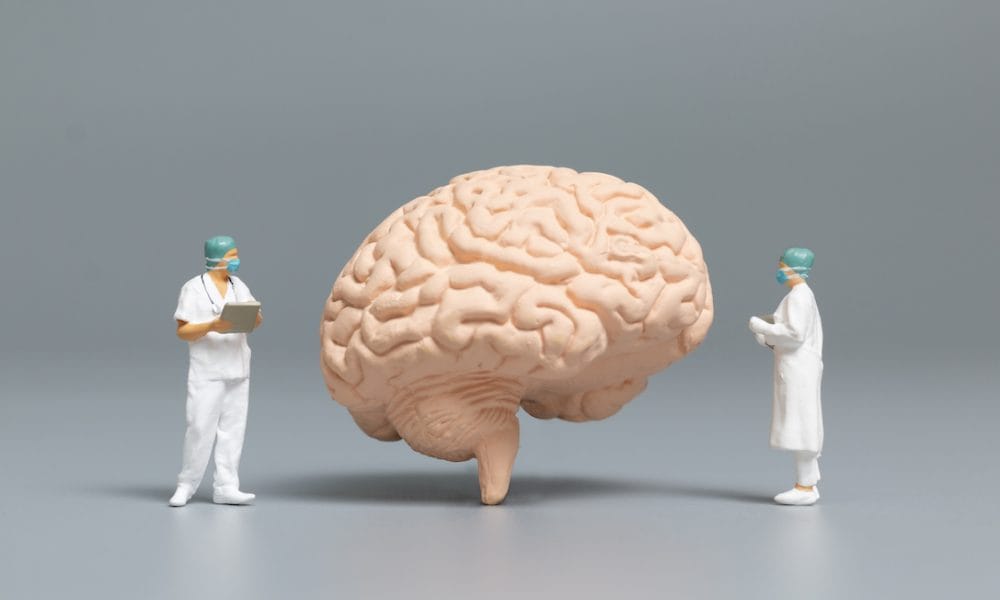
People who have had a concussion where they lost consciousness may be more likely to have some disability or limitations later in life, new research has revealed.
A new study from the US has discovered that issues including difficulty walking or limitations in the amount or type of work they can do are key concerns among survivors of mild TBI. "About 16 per cent of all adults have experienced a concussion with loss of consciousness - and our study found that nearly half of those people are living with disability," says study author Andrea L.C. Schneider, of the University of Pennsylvania Perelman School of Medicine in Philadelphia. "This substantial burden of disability suggests that research into how to better care for and improve the functioning of people with concussions over the long term should be a priority for both public health and for planning for individuals.”
Work has begun to bring a landmark neurological research and treatment centre to reality.
The UCL Neuroscience centre of excellence will be home to three bodies: the world-leading UCL Queen Square Institute of Neurology; the headquarters of the UK Dementia Research Institute, the single biggest investment the UK has ever made in dementia; and the UCLH National Hospital for Neurology and Neurosurgery (NHNN), which is the UK's largest dedicated neurological and neurosurgical hospital. Clinical work and research will take place together within the new facility, at 256 Grays Inn Road in London, enabling an active dialogue between people with neurological disorders, their doctors, and researchers.
“Our lives have mainly been the same - the difference is to other people’s lives.”
As pioneering research continues into experiences of loneliness during the pandemic for brain injury survivors, some of the preliminary findings are stark. The resilience of survivors - many of whom face loneliness every day even outside of the pandemic - in dealing with the isolation many others were experiencing for the first time, is one of the themes to already come to the fore. Dr Stephen Dunne, from the University of Sunderland, who is leading the research project - which is being carried out in conjunction with Headway - says a more ‘level playing field’ appears to have been created in the understanding and experience of loneliness.
More than three quarters of women prisoners in Scotland have a history of significant head injury, most of which occurred in the context of domestic abuse that often lasted over periods of several years, new research has found.
With 78 per cent of women experiencing such a history of significant injury, 66 per cent had suffered repeat head injuries for many years, the University of Glasgow-led study – funded by the Scottish Government - revealed. Domestic violence was the most common cause of repeat head injury in the women surveyed, reported by 89 per cent of the participants who also reported repeat head injuries. Only five women had experienced a single incident moderate-severe head injury, without multiple, mild head injuries in addition. Of those with a history of significant head injury, a first head injury before the age of 15 was reported by 69 per cent of women.
The effectiveness of bike helmets in protecting against brain injuries caused by collisions at speed has been tested for the first time.
New helmet technologies have emerged in recent years to mitigate the instances and severity of traumatic brain injury (TBI) in collisions from cycling, but the way this is traditionally tested leaves room for doubt in their findings. The majority of real-world cycling-based TBIs are caused by rotational forces on the brain, which are generated by the head hitting the ground at an oblique angle, mostly seen when cyclists fall or collide while moving.
A groundbreaking neurorehabilitation centre is helping to plan for its future even before its opening through strengthening its management team.
Calvert Reconnections is set to open on June 21 and is set to deliver new possibilities in brain injury rehabilitation through its UK-first residential programme which combines traditional clinical therapies with physical outdoor activities. The centre, based on the outskirts of Keswick in the Lake District, is now making new additions to its senior team as is prepares for its long-awaited opening, which has previously been delayed due to COVID-19.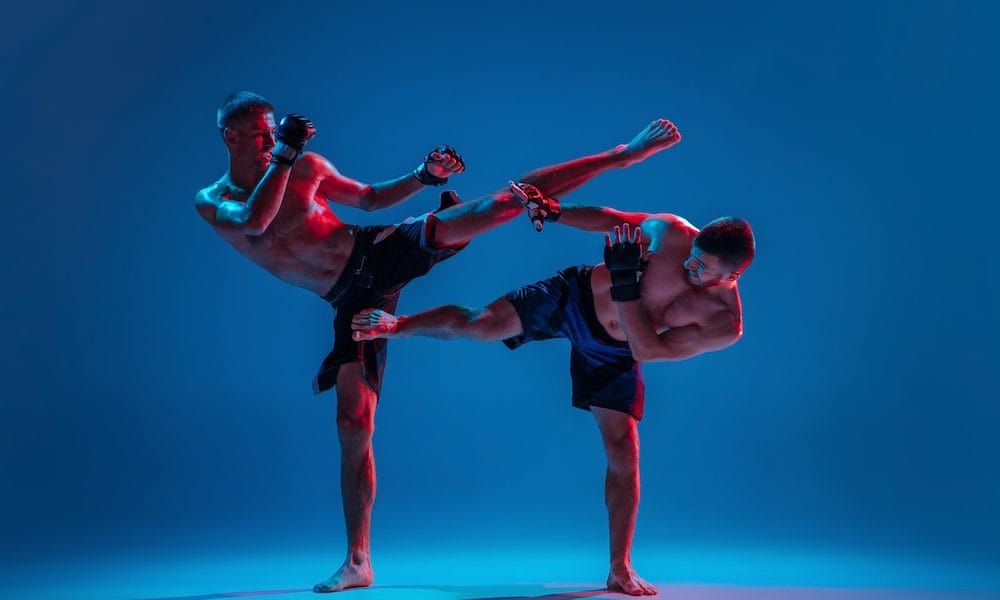
An official concussion protocol has been created for mixed martial arts (MMA) fighters competing in the UFC, in a first for the sport which builds further on global efforts to safeguard sportspeople from the effects of head injury.
The UFC Performance Institute has published its protocol, aimed at both fighters and coaches, as part of a 484-page study based on data collected between 2017 and 2019. Hailed as the most comprehensive MMA study ever undertaken, it details the UFC’s five-step rules around returning to the sport following concussion or TBI.
When the brain suffers an injury, the natural response is different to that in any other part of the body.
Unlike damage to most other areas, brain tissue cannot be repaired, meaning the impact of a trauma can often be permanent. For example, statistics show that only 25 to 33 per cent of severe brain injury patients endure positive outcomes or make a full recovery.
The first digital health intervention for families affected by ABI has been launched, with a view to national roll-out in the coming months.
CBIT In Hand has been created to provide immediate, tailored information via a mobile device to families of children and young people who have been affected by concussion and/or acquired brain injury (ABI). After three years of planning by the Child Brain Injury Trust, the app went live last week when it was launched at the CBIT virtual conference, and is being trialed in Alder Hey and Birmingham Children’s Hospital for the next three months. CBIT in Hand, which can be accessed by QR code or downloaded from App stores, is being targeted at A&E departments and major trauma units, to ensure families can find the digital information, resources and support they need instantly during the most difficult early stages of their loved one’s injury.
Two groundbreaking outdoor therapy centres to support people with brain injury and disabilities are opening their doors on June 21, it has been confirmed today.
Calvert Reconnections, a neurorehabilitation centre which has developed a first-of-its-kind residential brain injury programme, is to open for the first time next month. Based on the outskirts of Keswick in the Lake District, the centre’s opening has been eagerly awaited nationally - although has been delayed due to COVID-19 - with its combination of traditional clinical therapies with physical activity in the outdoors providing new possibilities in brain injury rehabilitation.


