


Brain injury

The research comes from Simon Fraser University and also showed that certain processing responses in players at the start of the season differed when observed in the postseason.
As well as this, the players in the older age group observed more of these changes. Those involved in the study monitored ice hockey players in Rochester, Minnesota from two different age groups: those 14 and under and those 16 to 20. They measured the player’s cognitive function using electroencephalography to determine their ‘brain vital signs,’ which includes a person’s auditory sensation, basic attention and cognitive processing.
Brain changes seen through concussion have close similarities with those seen in Alzheimer’s disease, new research has found.
TBIs affect millions of people worldwide every year and are often followed by changes in brain structure and function and by cognitive problems such as memory deficits, impaired social function and difficulty with decision-making. Although mild TBI — also known as concussion — is a known risk factor for Alzheimer’s disease, prior studies haven’t quantified the extent to which these conditions share patterns of neural degeneration in the brain.
Two world-renowned former rugby stars have joined with Alan Shearer in stepping up the fight against dementia in sport.
Shane Williams, the all-time record try scorer for Wales, and World Cup-winning England lock Ben Kay are among 50 former elite rugby players to have backed the prevent PREVENT:RFC project, the latest phase of the Sport United Against Dementia campaign.
Coronavirus probably does not directly infect the brain but can still inflict significant neurological damage, new research has revealed.
The study into SARS-CoV-2, the virus that causes COVID-19, is the largest and most detailed brain autopsy report published to date in the wake of the pandemic, and suggests that the neurological changes often seen in these patients may result from inflammation triggered by the virus in other parts of the body or in the brain's blood vessels. "There's been considerable debate about whether this virus infects the brain, but we were unable to find any signs of virus inside brain cells of more than 40 COVID-19 patients," says Professor James E. Goldman, from the Columbia University Vagelos College of Physicians and Surgeons.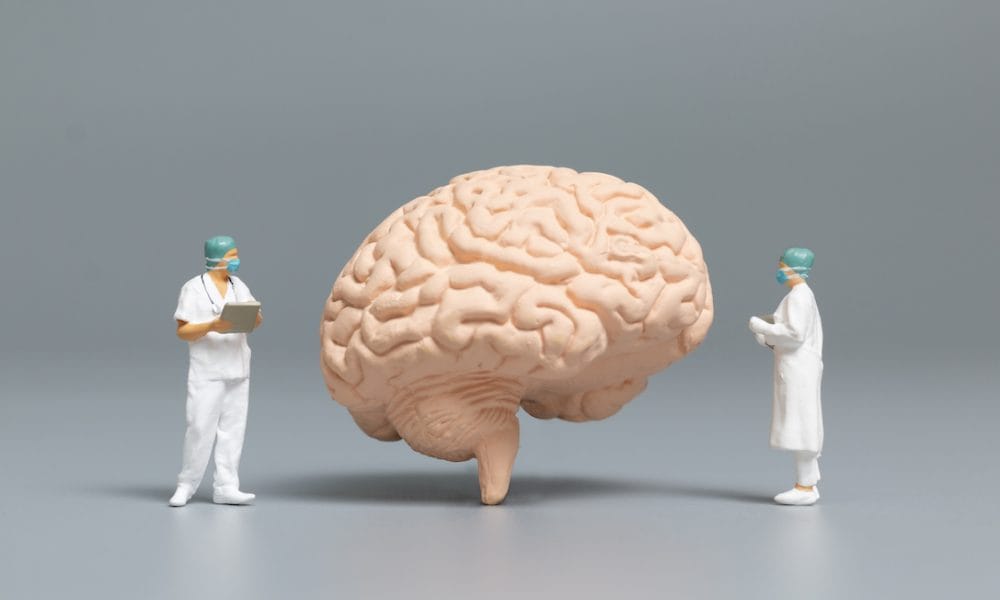
The effects of COVID-19 on the brain are to be examined in a new groundbreaking study involving all four UK nations.
The COVID-19 Clinical Neuroscience Study (COVID-CNS) will look at 800 UK patients who were admitted to hospital with COVID-19 and had neurological or neuropsychiatric complications, to understand how these problems occur and develop strategies to prevent and treat them. The first-of-its-kind project involves more than a dozen research centres from across the UK and forms an integral part of the National Institute of Health Research BioResource, which provides research infrastructure to speed up clinical research and clinical trials. COVID-CNS has been awarded £2.3m by UK Research and Innovation and the Department of Health and Social Care to help advance its work, which is led by the University of Liverpool in collaboration with King’s College London.
As he continues to come to terms with the loss of his ‘ex life’ and learns to celebrate the 21st birthday of his new self, The Brain Damaged Baron reflects on the comfort blanket of support from those close to him, while struggling with the loss of vanishing friends
Let’s get straight down to business. The salient truth is that one day, the life I once knew came to an end. Yep, gone, cheerio, toodle pip. It is an ex-life. It has ceased to be, I trotted off this mortal coil in order to push up some buttercups. Is it buttercups? I forget.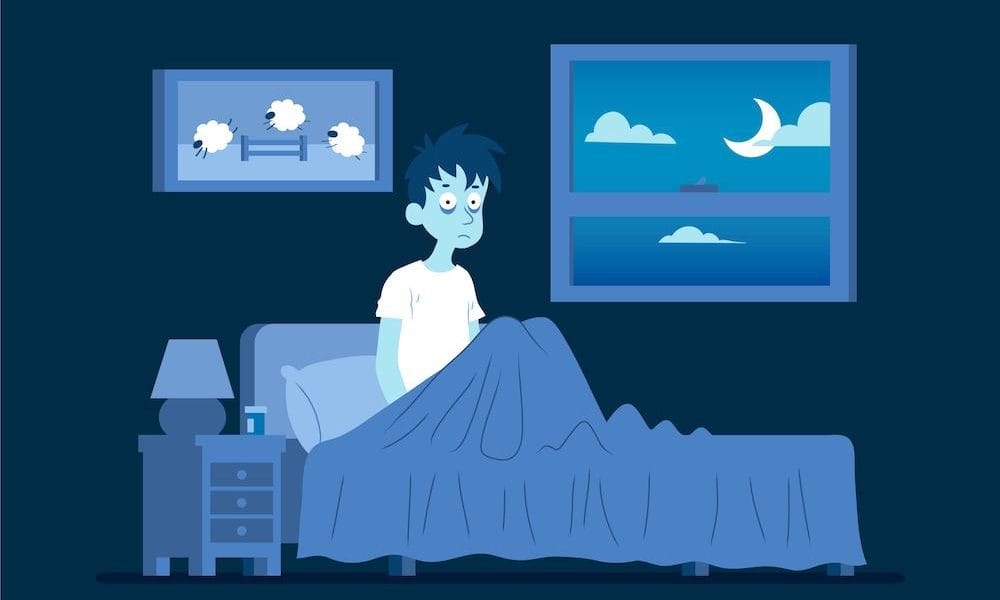
Sleep disorders are more prevalent among people with mild traumatic brain injuries (TBI) in comparison to those with more a severe diagnosis, new research has revealed.
In the study, the links between TBI and sleep problems were strengthened further, with people with TBI shown to be up to 50 per cent more likely to develop insomnia, sleep apnea and other sleep disorders than people who have not been injured. And in a significant outcome, the association with sleep disorders was stronger amongst those with mild TBI than in the case of serious injury.
Women may be at increased risk of long-term physical and mental issues after a concussion, a new study has revealed.
In analysis of 2,000 people who sustained a head injury, women were found to be more likely than men to still have some symptoms a year later. These included memory and concentration problems, alongside headaches, dizziness or fatigue.
Contracting COVID-19 increases the risk of developing neurological conditions including depression, dementia and stroke, new research has revealed.
One in three survivors of the deadly virus - 34 per cent - were diagnosed with a neurological or psychiatric condition within six months of being infected. And for those who were admitted to hospital or intensive care, the risk became even higher, University of Oxford researchers found, at 39 per cent. This rose to 46 per cent in those who needed intensive care, and 62 per cent among people who had encephalopathy while battling COVID-19.
Criticism has again mounted around the “fundamentally flawed” concussion trials in football, after an incident where a player was allowed to continue after sustaining a head injury.
In the Sheffield United vs Leeds match at the weekend, George Baldock initially continued after being checked on the pitch by medics, but had to come off five minutes later after feeling groggy and experiencing blurred vision. Under new trial concussion protocols introduced in the Premiership, players who sustain a head injury can be replaced in a concussion substitution, which will remove them from the game permanently.


