


Brain injury
A study has laid bare the pressures facing paediatric neuro-rehab professionals at the height of the pandemic, and how they were able to quickly adapt to new working practices.
It also highlights the need for greater support for families affected by neurological conditions in accessing technology; and for more research into the efficacy of remote interventions. The Paediatric Neuro-rehabilitation Special Interest Group (PNR-SIG) charted the experiences of professionals from the start of the first lockdown and throughout subsequent months. Respondents were largely clinical or educational psychologists involved in paediatric neuro-rehab.
Concussion can be diagnosed using saliva, new research has found, paving the way for the first non-invasive clinical test for head injury which could be used in all levels of sport.
Building on previous research, which identified that the concentration of specific molecules in saliva changes rapidly after a traumatic brain injury, it has now been established - through a three-year study in elite rugby - that these ‘biomarkers’ could be used as a diagnostic test for sport-related concussion. Using DNA sequencing technology, the research team tested these biomarkers in saliva samples from 1,028 professional men’s rugby players competing in English rugby’s top two leagues - the Premiership and Championship. The results of SCRUM (Study of Concussion in Rugby Union through MicroRNAs) have for the first time shown that specific salivary biomarkers can be used to indicate if a player has been concussed.
Louise Gardner, associate solicitor at Novum Law, outlines the impact of gender on brain injury and asks if there is an imbalance in the way women's brain injuries are assessed and treated.
Gender differences in brain injuries have only been the subject of research for the last 20 years. It begs the question of why this is the case, given how long we've understood concussion. Does it display historic sexism in medical research? Or a lack of knowledge that men and women's central nervous systems are different? Or is it because high-profile sporting head injuries involve men?
New research has been launched to discover whether selective receptor blocker drugs can be repurposed to treat patients with secondary brain damage.
Traumatic brain injury is the leading cause of death and disability in those aged under 40, and while many survivors are forced to live with life-long disability, there are currently no approved drugs available to reduce the impact of such injuries on patients. Now, the Universities of Birmingham and Cambridge, backed by almost £1million from the Medical Research Council, will look into the area of secondary brain damage in two phases over the next three years.
A recent poll by Calvert Reconnections indicated that the majority (61%) of case managers are unclear about where brain injury sits in relation to the COVID-19 vaccination programme and the high risk (clinically extremely vulnerable) and moderate risk (clinically vulnerable) categories.
Lorna Mulholland, registered manager at Calvert Reconnections, says there are clear contradictions between the Government, who fund the vaccination programme, and the NHS who are delivering it. “With more than 1 in 3 adults in the UK now vaccinated against COVID-19 one question remains unanswered. Where does acquired brain injury (ABI) sit in relation to the vaccination programme?
Football fan and specialist brain injury lawyer Ipek Tugcu has become a leading analyst of the concussion in sport debate. Here, she discusses the crucial issue of player safety with NR Times.
Whether you’re a football fan or not, you’re likely to have seen that the sport has recently been in the headlines for all the wrong reasons. The focus has been on how football has dealt with the increased risk of neurodegenerative disease suffered by professional players. The quick answer? Not well. I initially became involved in this campaign as I was a football fan and also work as a brain injury lawyer, representing those harmed by medical negligence or an accident.
Masks not only allow us to hide our true feelings but to also express them without fear of judgement.
Being able to ‘hide’ one’s true self, may be a way, for others, to truly ‘show’ themselves. For this reason, Chroma therapists began delivering Art Therapy sessions online to those living with a Traumatic Brain Injury (TBI) in an attempt to help them express their emotions in a creative, non-threatening way.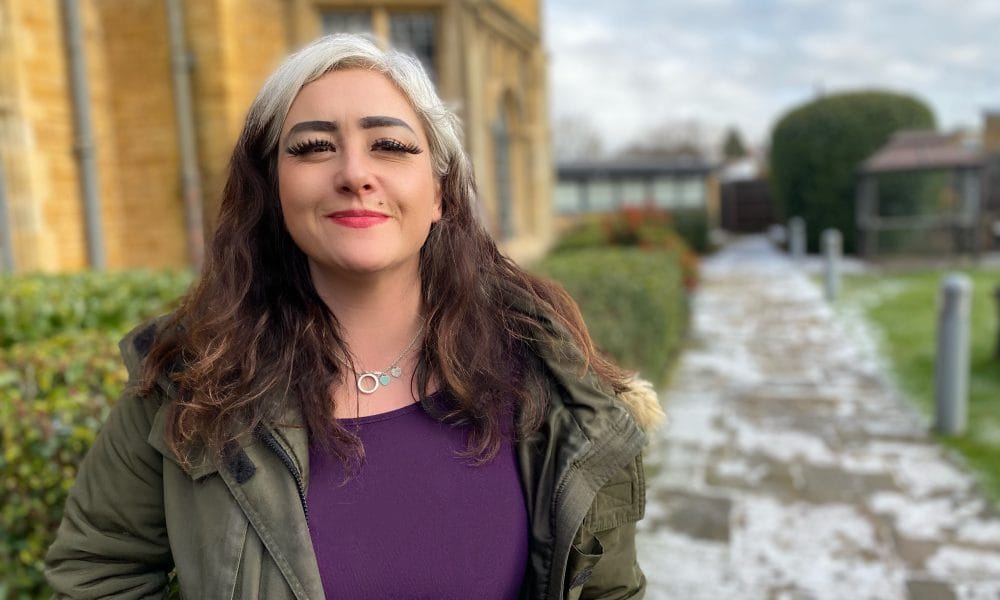
Lynda’s story provides an uplifting insight into how neurorehabilitation following a brain injury can have positive, long-lasting effects on an individual’s physical and mental wellbeing. This is even when there is a significant time period between the brain injury occurring and starting rehabilitation.
Lynda was an independent woman who had a job, family and friends. However, she had a history of battling with substance misuse and was at risk to the influence of others. The exposure to these negative influences resulted in her suffering a hypoxic brain injury following an overdose in 2010, from which she remained in a coma for three months. Lynda’s story highlights her dedication and the commitment of the specialist care team at Richardson Care in her rehabilitation journey.
The impact of brain injury on a person’s life can be vast, with the effects many. But what if an eating disorder comes into the equation? Solicitor Ewan Bain explores the issue.
The effects of an acquired brain injury (“ABI”) are truly multi-faceted, ranging from dysexecutive syndrome, neuro-behavioural issues, to more obvious physical disabilities. It is well known that mental health issues and conditions can arise from acquired brain injuries; the well-known ones being depression and anxiety. However, what about Eating Disorders arising from ABI; is that possible and are they linked?
Footballer Raul Jimenez, who fractured his skull in a match last year, has chosen brain injury charity Headway as a beneficiary of a fundraising appeal on his behalf.
Wolverhampton Wanderers player Jimenez was knocked unconscious in a clash of heads while playing against Arsenal in November, prompting fans to launch a campaign to fund a banner in support of him at Molineux. After hitting the initial target of £7,500 in a matter of hours, the JustGiving fundraiser remained open and now stands at over £22,000 of additional funds.


