


Insight

Despite the number of people surviving after a stroke increasing in recent decades, there has been little change in rates of rehabilitation and recovery. Here we speak to global biopharmaceutical firm, Ipsen, about its efforts to address this. Thirty years ago, scientists working in a UK government defence facility discovered a neurotoxin —originating from the bacteria botulinum— which they realised could have medicinal uses. From this a drug was developed which in the years since would be used in various ways for the treatment of movement disorders. Today, botulinum toxin injections also known as Dysport®(abobotulinumtoxinA), are prescribed to help manage spasticity in stroke patients. However, despite having access to this drug for the last three decades, there has been little movement in the rates of rehabilitation among stroke survivors. Stroke remains the second leading cause of death and the third leading cause of combined death and disability across the world. This is a key area of focus for global biopharmaceutical firm, Ipsen, the manufacturer of Dysport®. Vice president of Global Medical Affairs, Dr Hamzah Baig, leads a team of scientists and physicians who conduct clinical trials in partnership with key research institutions across the world with the aim of improving patient care. In this exclusive interview with Dr Baig, he shares his insights on why research into stroke rehabilitation has been neglected, the challenges facing physicians in this sector and what the future of stroke care should look like.
From robotics and Virtual Reality (VR) to precision rehabilitation, NR Times speaks to Professor Stephanie Clarke of The World Federation for Neurorehabilitation (WFNR) about the latest research developments and challenges in the world of cognitive rehabilitation.
Discover: - How robotics is being utilised in neurorehabilitation - How VR is helping patients with brain reorganisation - How brain imaging can help with personalised care pathways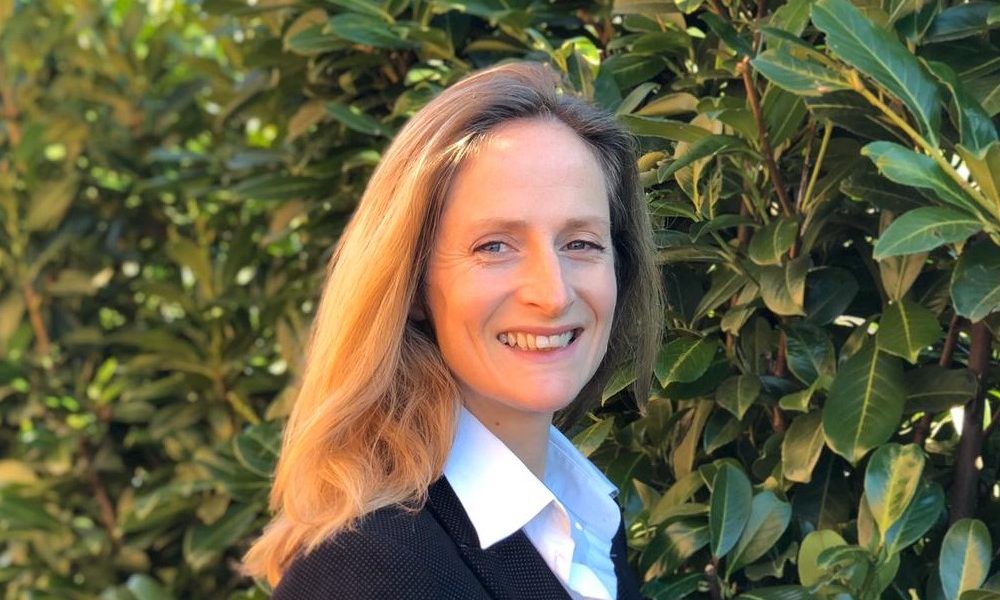
Case management is an increasingly important element of getting the most effective rehabilitation outcomes for those who have sustained a catastrophic injury. It also provides important input into the litigation process, as lawyers rely more and more on the approach adopted by reliable case managers in an individual’s rehabilitation. Today we talk to an experienced [...]

A new day service built around therapy-led recreational activities has opened in an accessible barn set in an idyllic corner of the Cumbrian countryside. Armed with our cameras, NR Times visited A Chance for Life’s Owl Barn to find out more. Watch our special video report below. Owl Barn is the creation of [...]
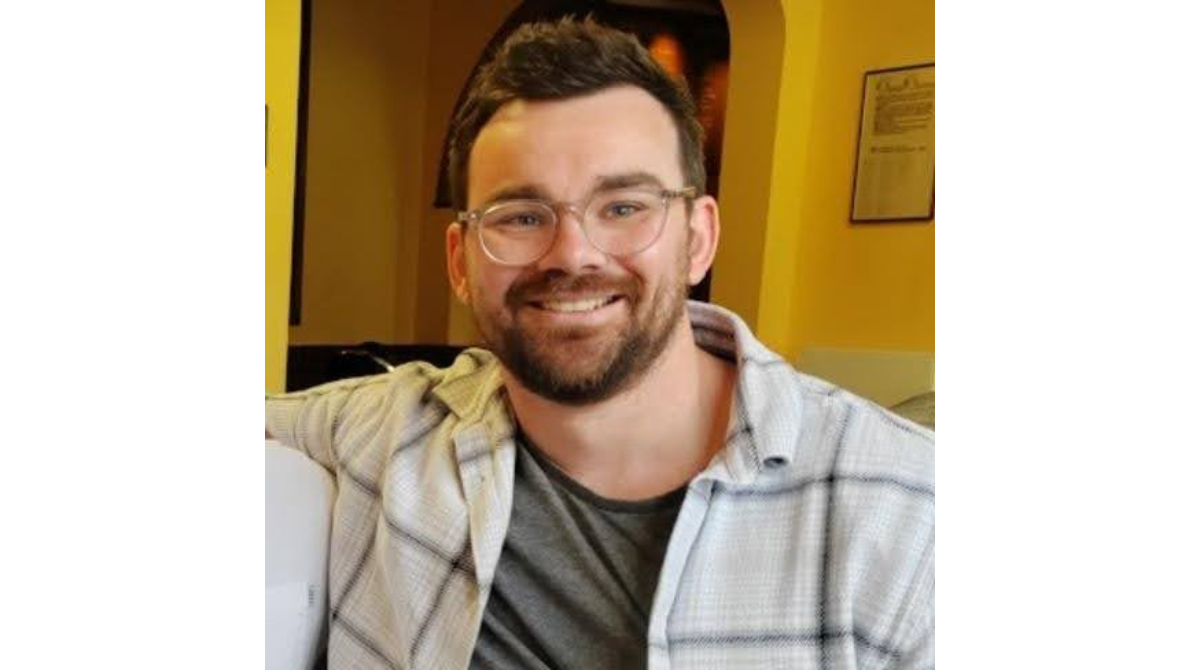
In this edition of Meet the Therapist, NR Times speaks to John Pope – Specialist Neurological Occupational Therapist and Clinical Director of North Star Rehab The team provides personalised rehabilitation for people in Tyne & Wear, Teesside, Durham, Northumberland, North Cumbria and the Scottish borders. What does success look like in your therapy discipline? That’s [...]

Having been diagnosed with Huntington’s Disease (HD), and being forced to deal with the death of his son, Darran was left feeling suicidal - but has now turned his life around to support and inspire others. Here the winner of the 2023 NR Times Inspirational Contribution Award, sponsored by TRU Rehab, discusses his life, his [...]

Might 2024 be the year that we finally see football authorities take the lead in their battle to address the game’s harmful impact on the brain?
Given the decades in which the sport’s leaders have had to be dragged kicking and screaming into the neurological fight, perhaps that is optimistic.
Events are conspiring, however, to at least build momentum needed for change in football this year.
Through the creation of a new pathway for survivors of intracerebral haemorrhage - a stroke with some of the lowest survival rates, which have not improved for decades - Dr Adrian Parry-Jones is helping to lead long-awaited life-saving change. Here, we speak to the consultant vascular neurologist about his work, which recently won the NR [...]

As the inaugural winner of NR Times Charity of the Year, the Child Brain Injury Trust was recognised for the dynamic and dedicated support it has provided to children and young people with brain injury and their families for over 30 years. Here, chief executive Lisa Turan reflects on the progress of the charity - [...]


