


Insight

Christmas is the time of year that evokes the whole range of emotions. For some it is a sense of happiness, joy and excitement, yet for other sadness, grief, anxiety and loneliness.

Reflection and communication are essential elements of learning and professional practice, as it allows an individual to review their progress, responses to situations, and subsequently grow from the experiences.
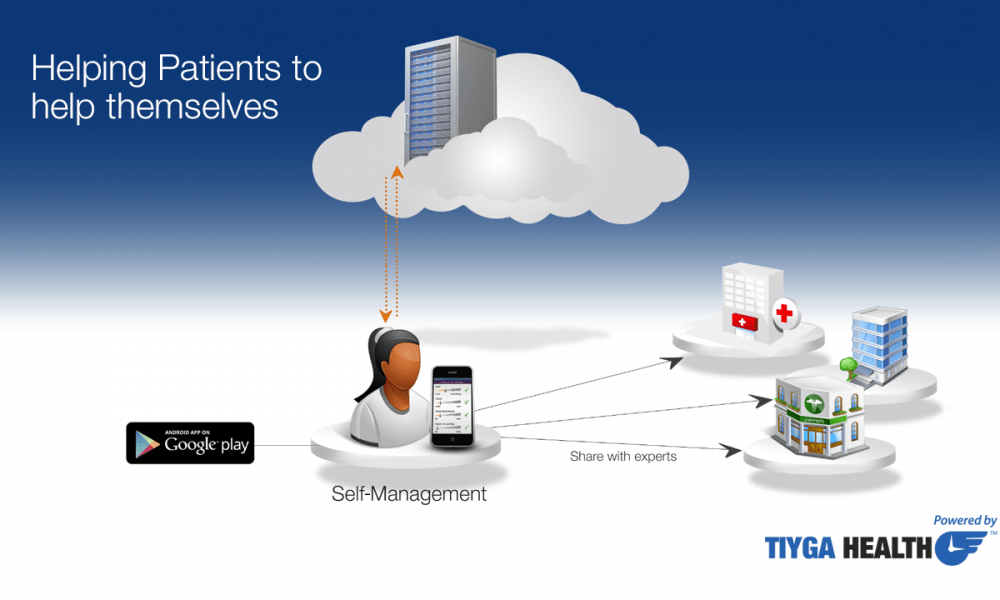
In the UK, the average patient will see a GP around seven times a year, according to the Royal College of GPs. This is a rise from 20 years ago, when a patient would see their family doctor around three times a year.
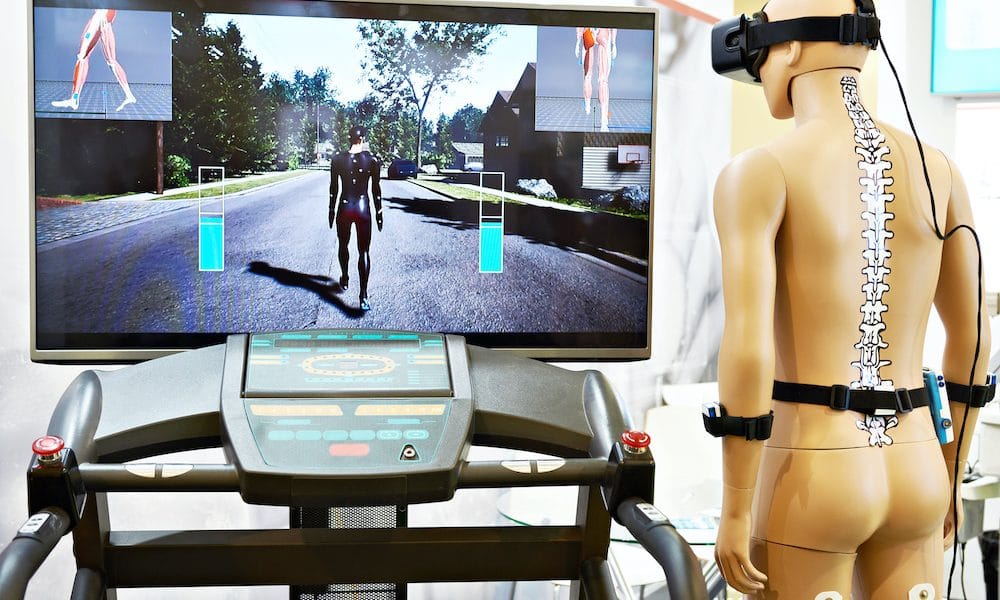
We are at an exciting time in neurorehabilitation, where we are discovering more and more about our brain and nervous system and how we can adapt to life-changing injuries by harnessing the potential of technology to push the boundaries of what is currently possible.

Vicki Gilman has taken up the post of chair of the British Association of Brain Injury & Complex Case Management (BABICM) at a hugely important time as case management moves into a new post-pandemic chapter, following an unprecedented period where case managers rose to the diverse challenges presented by COVID-19 and helped to create a new future.
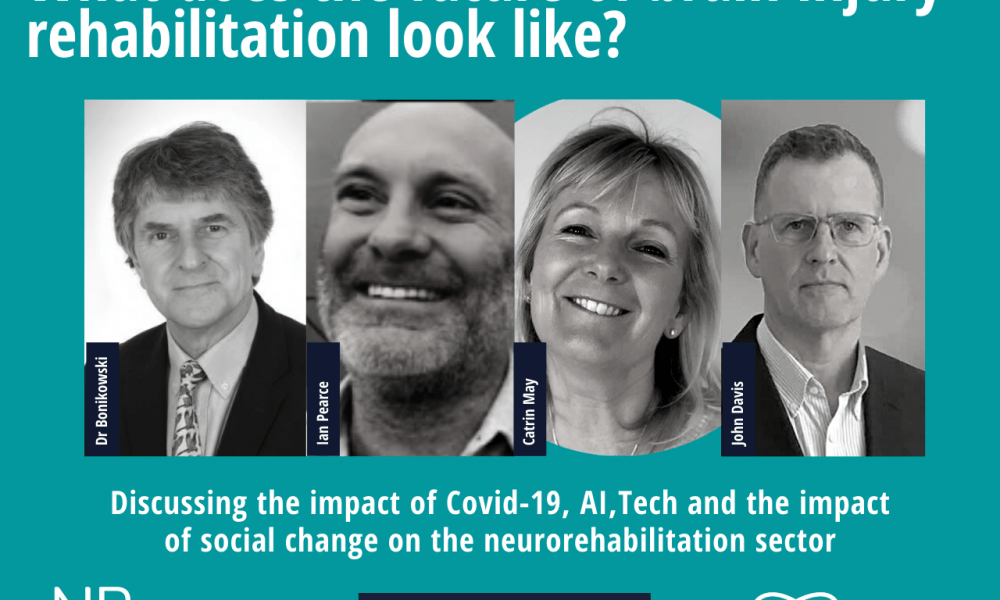
The future of brain injury rehabilitation and how patients can be supported in new ways is to be examined by leading experts from across the sector at an event held next week.
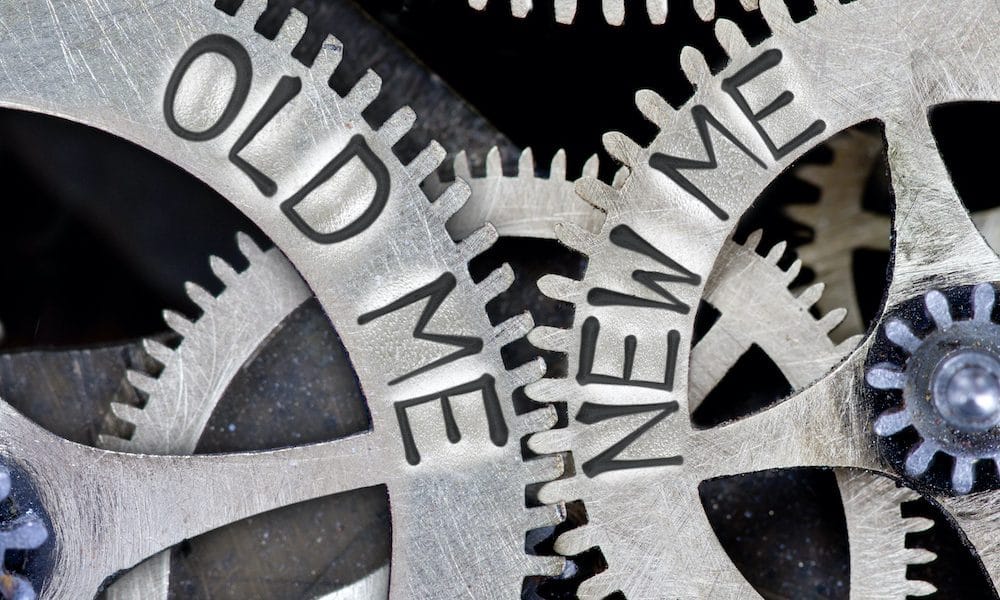
Who am I? Arguably life’s most defining problem. The answer as we all know is identity. But this is not the complete answer because “who I am”, my identity, is an all-encompassing system of memories, experiences, feelings, values, roles, thoughts and relationships.
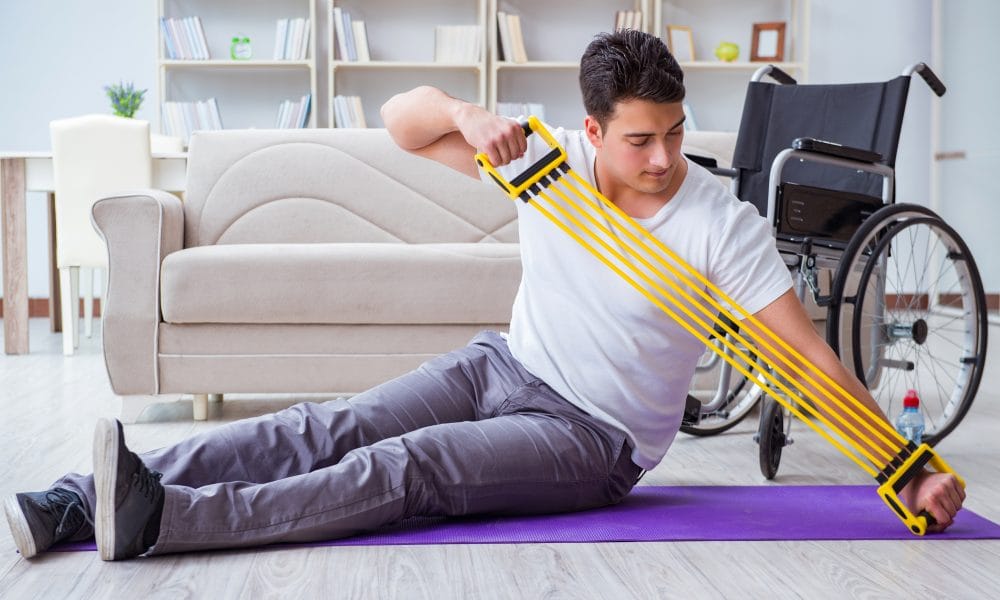
Community-based rehabilitation centres are powerful tools which can support you in your recovery journey.

Blue Light Symphony Orchestra (BLSO), in partnership with Chroma, successfully delivered a feasibility project investigating whether the use of Music Therapy (MT) could be used as a treatment modality, to emergency service workers who were exhibiting PTSD-like symptoms.
After a brain injury it is not uncommon for individuals to find that their ability to communicate has been affected.


