


Insight

A traumatic brain injury can impact severely on an individual's ability to return to work, which is why a carefully-planned vocational rehabilitation strategy is so important. Here, Sabrina Lawlor, principal lawyer at Slater and Gordon, discusses why support for employers to ensure their workplaces and process are as disability-friendly as possible - provided by organisations such as The Brain Charity - is vital
While breakthroughs in cancer treatment over the past 40 years have been truly life-changing, with recovery prospects and life expectancy in many common cancers revolutionised, that sadly is not true with regard to glioblastoma (GBM).
For many of us, getting involved in groups or going to work or volunteering, gives us a sense of purpose and pride.

Pathfield School has become the first school to engage Chroma to provide the full range of arts therapies to its pupils
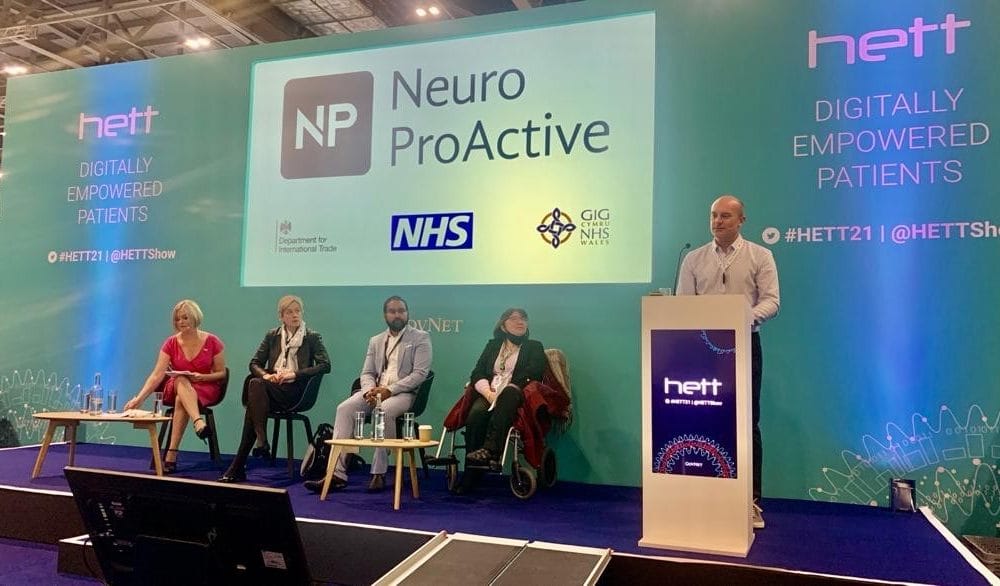
The launch of NeuroProActive.com is empowering patients, therapists and families to better manage neurorehabilitation. Here, Lisa Beaumont explains the difference the online platform will make to the lives of fellow stroke survivors, and how she continues to gain confidence in her own ongoing recovery
Louise Allan, senior clinical assessment specialist at Exemplar Health Care, works hand in hand with professionals to ensure that adults with complex needs receive the right care, from the right team, the first time round. Here, she explains more about community fit assessments, and why it’s an essential part of the assessment process for people moving into a care home
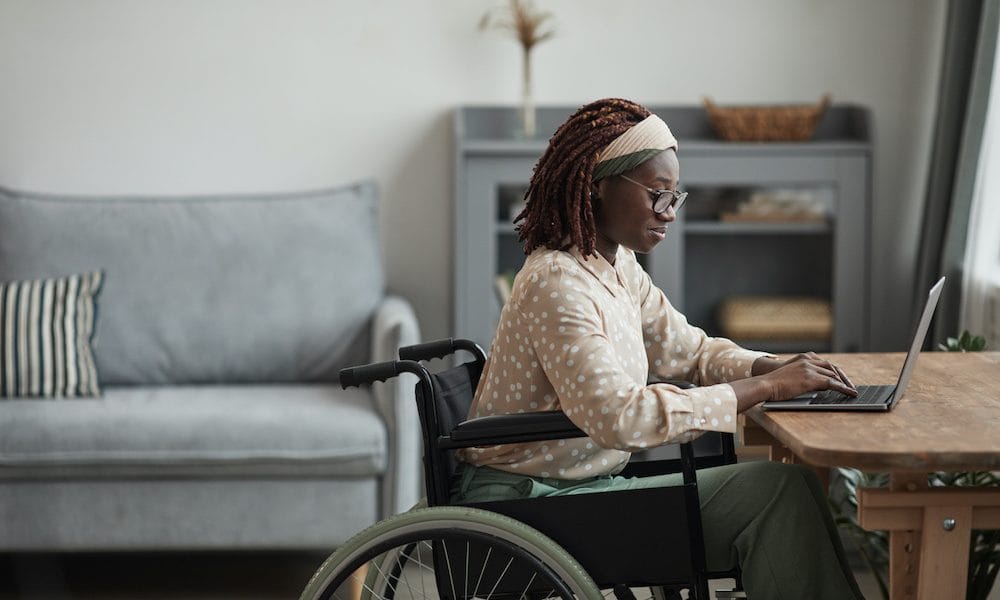
Housing should be designed for all forms of disability. Some people who are regarded as disabled are in fact largely disabled by their environment and can become trapped in their own homes or spaces living a life restricted by poor design.

“What does music mean to me?” was one of the first pieces of written reflection I produced when I trained to become a Music Therapist.

A lot of times in our day to day interactions with patients they share with us their worries and concerns.

As one of the first organisations to recognise and react to the urgent need to address head injury in sport, The Drake Foundation has become a central player in the fast-developing debate over how to best protect players at all levels from the devastating later-life impact of neurodegenerative disease.


