Insight

Constructive Perfectionism is positive. It is defined in Olympic athletes, world-class musicians, award-winning scientists.
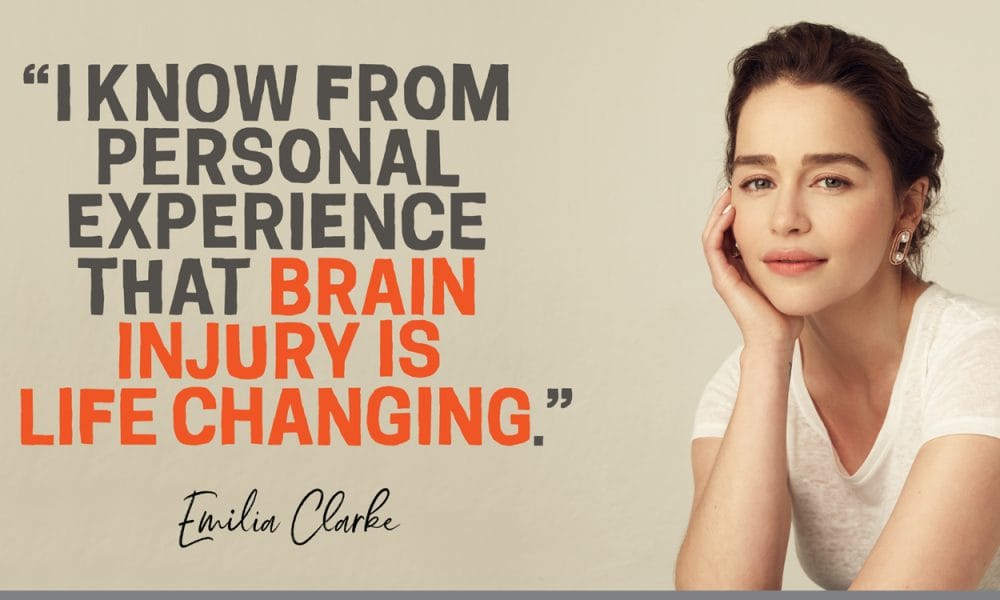
As the CEO of the charity SameYou committed to making a difference to the lives of people living with brain injury, as well as being the mother of survivor Emilia Clarke, and a patient herself, Jenny Clarke truly understands the impact of acquired brain injury.
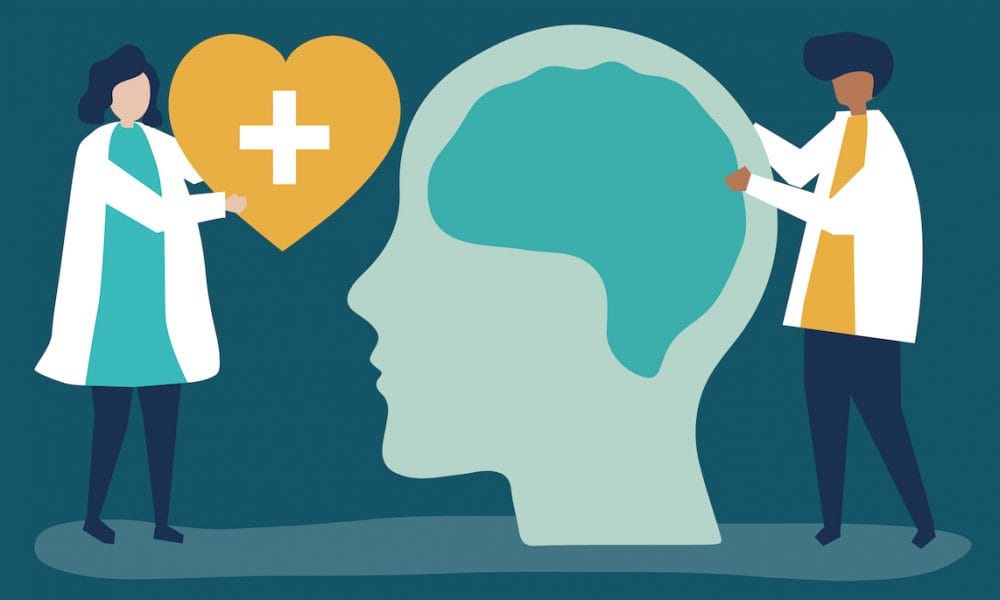
In our latest interview with the Brain Injury team at St Andrew’s Healthcare, we meet Dr Lorraine Childs, a Consultant Clinical Psychologist on Rose ward, one of only three secure neurobehavioural units in the country.

Throughout childhood there is one team which deals with everything that the patient would need. As the children continue to grow, we wonder what will happen to them when they are too old to be cared for by the same team. So, what do we do with young patients who have been cared for very intimately by the paediatricians?

Frontline healthcare workers need a range of ‘flexible’, ‘easily accessible’ and ‘consistent’ psychological support to overcome the significant mental health burden resulting from the COVID-19 pandemic.

As clinicians, when we consider our orthotic treatment options for users with neurological conditions, we should not be blinkered in our thinking and limit our treatment to a solid ankle foot orthosis (AFO).

Through the use of AI-powered technology, BrainQ is set to revolutionise the potential for stroke patients in their recovery from disability and lasting effects of their condition. NR Times speaks to co-founder and CEO Yotam Drechsler about the life-changing potential of its electromagnetic field therapy In just a few years from now, the potential for stroke patients to reduce and even reverse disabilities could be reality. Through the groundbreaking work of BrainQ, whose AI-powered electromagnetic field therapy is revolutionising traditional recovery prospects, the outcomes for people who have had a stroke could be unrecognisable against today’s reality. Results from its pilot trial are undeniably exciting - after receiving BrainQ therapy, 77 per cent of patients had either no symptoms or minor symptoms, with no significant disability, scoring one or even zero on the modified Rankin Scale (mRS), the gold standard for measuring global disability. Additionally, over 90 per cent of people improved by two or more mRS points through the use of BrainQ’s technology.

For young people with an autism spectrum condition, the arts therapies (music therapy, art therapy and dramatherapy) can play a significant role in enabling them to express themselves. Music therapist Lucy Collings Pettit at Chroma examines its impact
In the earlier years, arts therapists will often focus on working with the core characteristics of the child’s condition, for example social communication, interaction and imagination. This can involve group therapy input in the school setting, with this type of intervention encouraging important social skills such as turn-taking, sharing, waiting and listening, and positive peer relationships. In working on an individual basis, an arts therapist will typically focus on a child’s non-verbal communication; this might involve intensive interaction and play-based interactions.
Could gaming really detect depression, anxiety or Alzheimer's Disease? We meet Emilia Molimpakis from Thymia who are working with clinicians on games to diagnose your mental health.