


Insight

Can nature support physical and psychological wellbeing for adults with acquired brain injury (ABI) or long-term neurological conditions (LTNC)? Dr Anita Rose, consultant clinical neuropsychologist at The Renovo Care Group, explores the issue “Being in nature is not only inspiring, it also has medical and psychotherapeutic potential. By experiencing nature, we place our body in the original functional circle made of humans and the environment from which we emerged. We put two matching puzzle pieces together – us and nature into one whole.” Clemens G. Arvay (Healing code of nature) We can all find ourselves in stressful situations during our lifetime. In fact, the whole of humankind has faced challenges and adversity during the recent pandemic. When we are facing crises it is natural to look for refuge, a safe environment, a place of healing.

Sleep disorders are common in people living with neuro-disabilities. They can be complex with many contributing factors including anxiety, muscle weakness, breathing difficulties and behaviours of concern.
Sleep helps to protect our mental and physical health, quality of life and safety, which is why it plays a vital role in good health and wellbeing for those living with a neuro-disability.
Sara McLaughlin, occupational therapist at Tyne Grange care home, part of Exemplar Health Care, shares why it’s important for people living with a neuro-disability to have a good sleeping routine.

A mother and son team who have devised a pioneering standing wheelchair are looking to partner with a manufacturer to bring their prototype to fruition.
The Walking Wheelchair enables people with limited use of their legs to assume a standing position, using a saddle therapy seat and Segway-style wheelbase. Its design, which is aimed at people living with conditions including Muscular Sclerosis, Cerebral Palsy, Motor Neurone Disease and spinal injury (L1-5), is protected by patent and has already won awards for its innovative design. It differs from what is already available through its saddle seat lifting the user’s weight vertically to standing, rather than a conventional seat which tips, and has a gyroscope to balance the standing weight instead of a counterweight. It also has a two wheel wheelbase with a tight turning circle rather than the standard six-wheel base.
The risk calculator, SCORE2, will be adopted by the upcoming European Guidelines on Cardiovascular Disease Prevention in Clinical Practice, and enables doctors across Europe in the next ten years with greater accuracy than ever before. The research team behind the breakthrough say this new prediction tool will help save many more people across Europe from [...]

Kate Allatt, stroke survivor and GripAble ambassador, unpicks the concept of social prescribing, explains why it is an important part of the stroke and brain injury recovery process, and describes how GripAble is working to connect people and facilitate peer-to-peer support to help them flourish. Being discharged from hospital following a life-changing event such as a stroke [...]
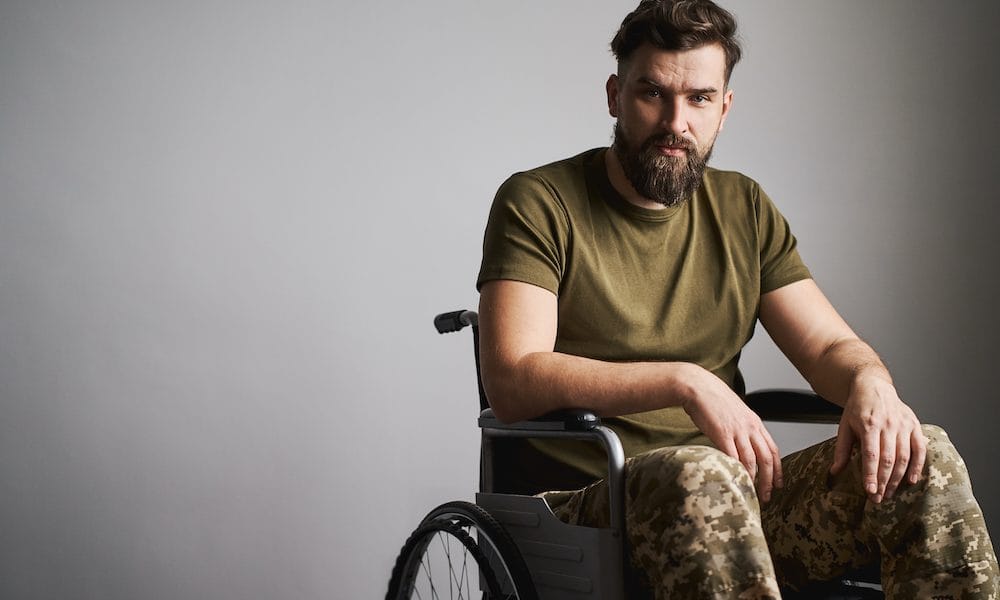
For seriously injured military personnel, the options around rehabilitation are increasing further with plans for a new National Rehabilitation Centre. Matthew Tomlinson and Rachel Seddon, from the military team at Slater & Gordon, discuss the importance of access to specialist support
For the majority of readers, initial treatment for their serious injury or illness will likely come from our exceptional NHS’ regional acute hospitals. When clinical rehabilitation, to assist those seriously injured is required, it is widely recognised that timely and tailored support is necessary to maximise the potential to return to a quality of life, and minimise further problems down the line. This is significant in relation to an individuals’ physical and mental health. Getting people back to a meaningful life and capability following serious injury is a major policy area in Government. Return to work rates for people experiencing serious injury and trauma in England are below rates achieved in other European countries as well as rates achieved in the Armed Forces.
As pioneering Neuro ProActive prepares to launch its digital platform, stroke survivor Lisa Beaumont, inspired by a joyful evening at an outdoor concert, reflects on the impact it is set to make on people living with so many conditions, including Long COVID
In July, my experience of brain injury has increased my awareness of the need for support for other neurological conditions, including the impact of Long COVID. In July, my walking had improved so much that I was able to attend an outdoor concert in a local, rural setting. Despite its lack of traditional accessibility, I felt confident of my ability to walk into its idyllic, outdoor location in the walled garden at Holmewood House School, Langton Green, Tunbridge Wells.
“I’ll be honest, when I set up I naively thought I’ll be a lone worker, working at home - I never imagined I’d need a succession plan.”
Like so many others who set up in business, Angela Kerr did not foresee the growth of her venture, AKA Case Management, when she set up in 2002. Having become one of the UK’s best-known case management companies, and with Angela increasingly in demand within the profession after being appointed chair of BABICM in 2016, she knew she needed to address the issue of the long-term future of her thriving business. And the solution lay in the form of Dawn Abernethy, a longstanding member of the AKA team, alongside Andrew Rose, who at that time was a new appointment to the business.
A new report has revealed that the number of people with brain injuries is five times higher within the criminal justice system
NR Times speaks to Chloe Hayward, the UKABIF Director and Gemma Buckland, the Director of Do it Justice, about what the report means and what happens next. The United Kingdom Acquired Brain Injury Forum (UKABIF) and the Criminal Justice Acquired Brain Injury Interest Group (CJABIIG) have welcomed a report by the Criminal Justice Inspectorates. The report examined their evidence of neurodiversity within the criminal justice system.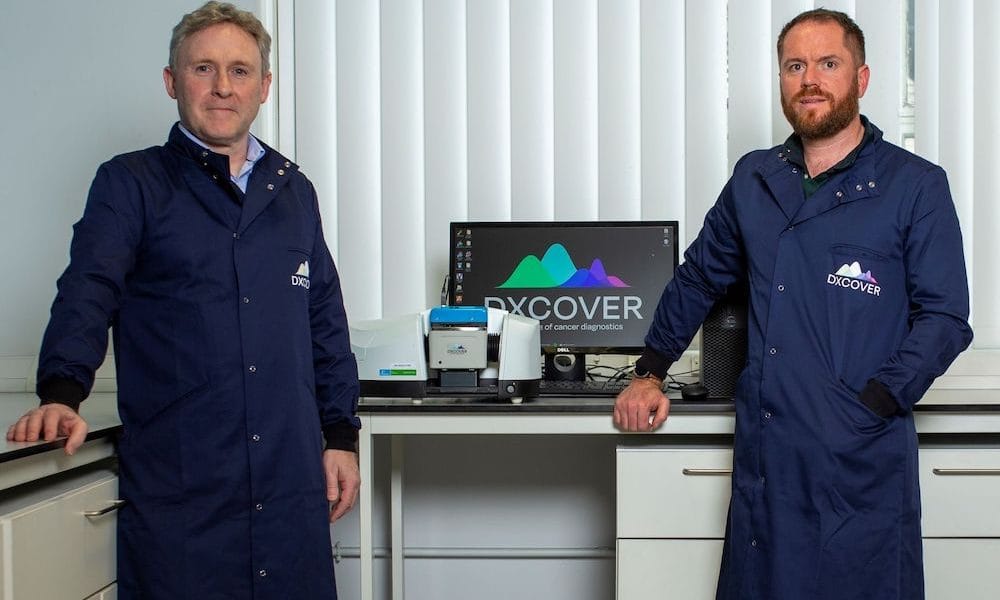
Hailed as the future of cancer diagnostics, Dxcover is set to revolutionise healthcare by pioneering a new test to diagnose cancer more quickly, simply and cost-effectively than ever before. CEO Dr Mark Hegarty and chief technology officer Dr Matthew J Baker discuss their pioneering work to date in brain cancer detection
Through the AI-led analysis of a single drop of blood, it is possible to detect brain cancer. Having been verified through two groundbreaking clinical studies, the Dxcover Brain Cancer liquid biopsy, the first of its kind in the world, is now set to go into pivotal trials with a view to commercialisation in 2024 - paving the way to save lives and improve quality of life globally through the earlier diagnosis of cancer. With the creation of the Dxcover Platform - which combines novel hardware with artificial intelligence algorithms to analyse a patient's blood - and its patented Drop Dry Detect method of detecting cancer, a process which currently may take eight weeks or more to fully diagnose can be fast-tracked into a matter of minutes.


